Web design for screen enclosure builders

Website design for screen enclosure builders.

A pool cage changes how a family uses the backyard: fewer bugs, less debris, more evenings outside. Homeowners compare styles, screens, and builders carefully, and the site that shows real enclosures gets the visit.

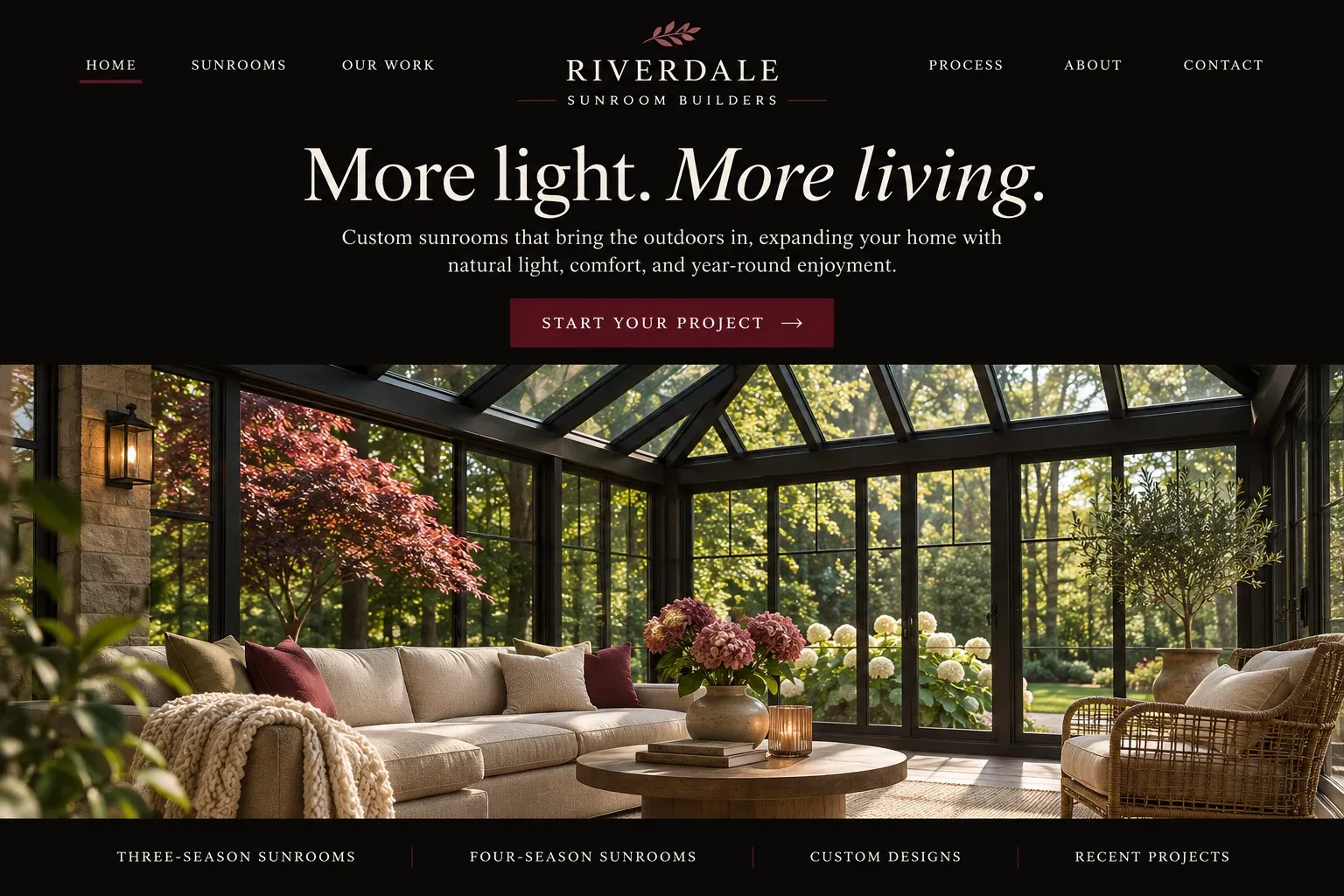
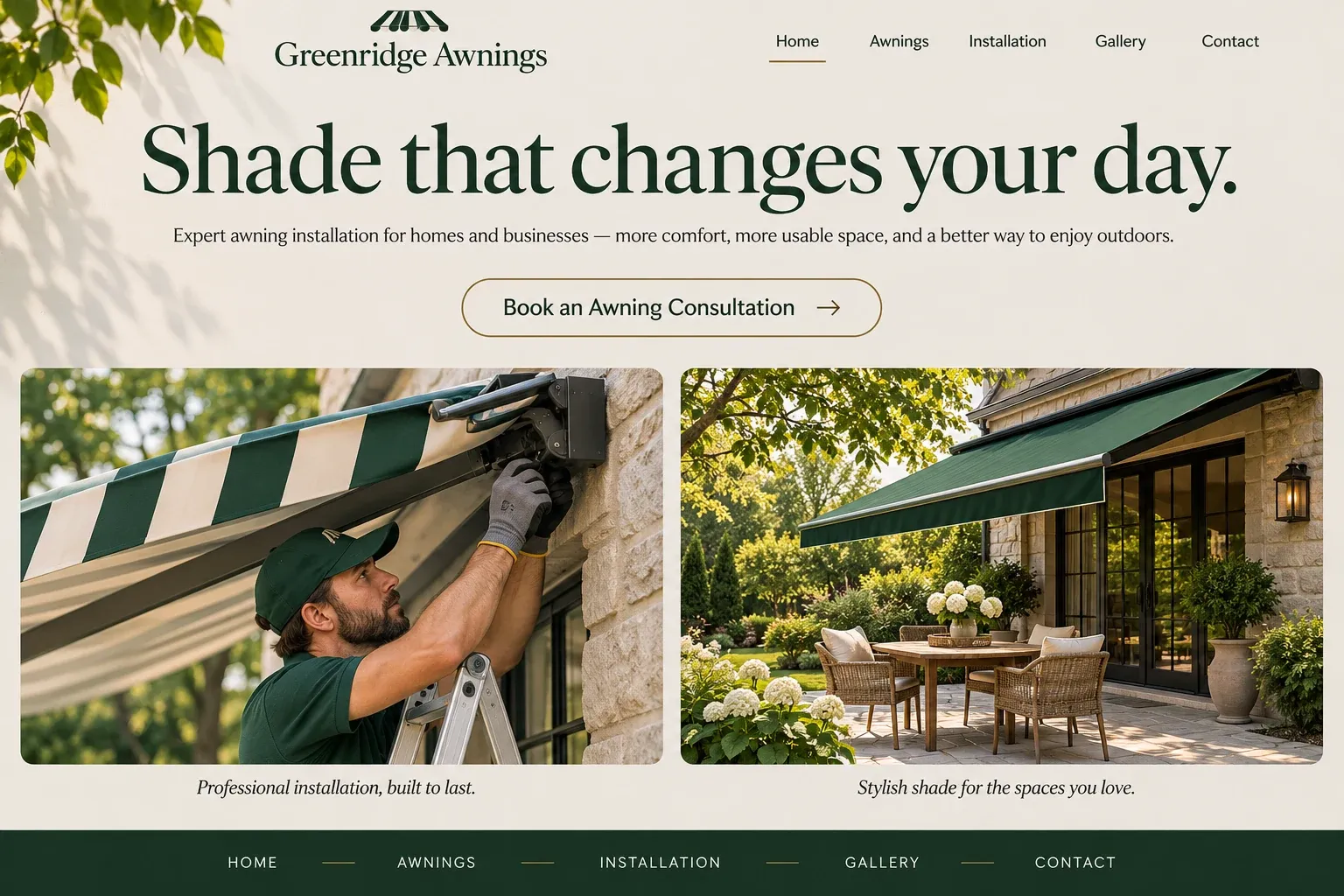
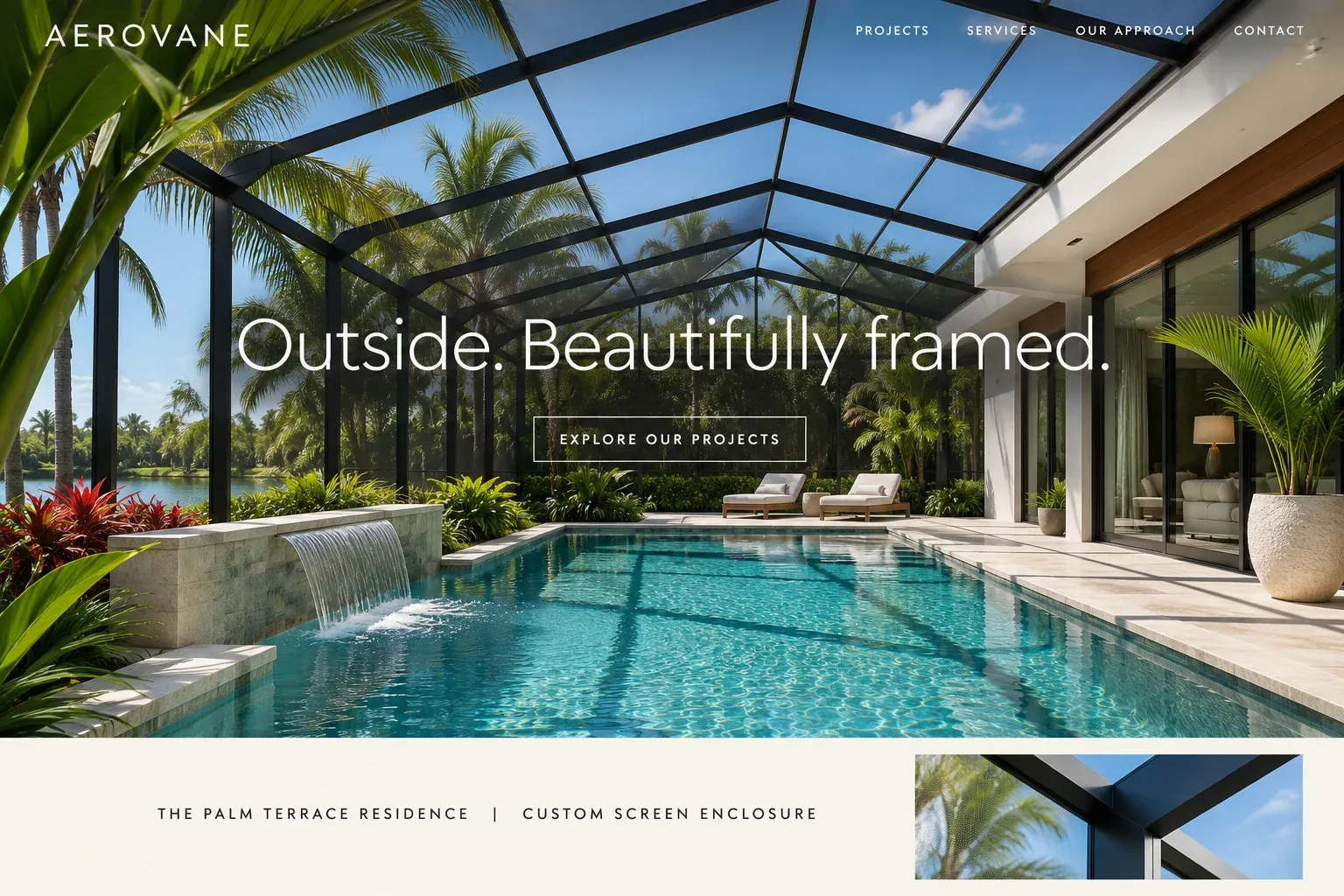
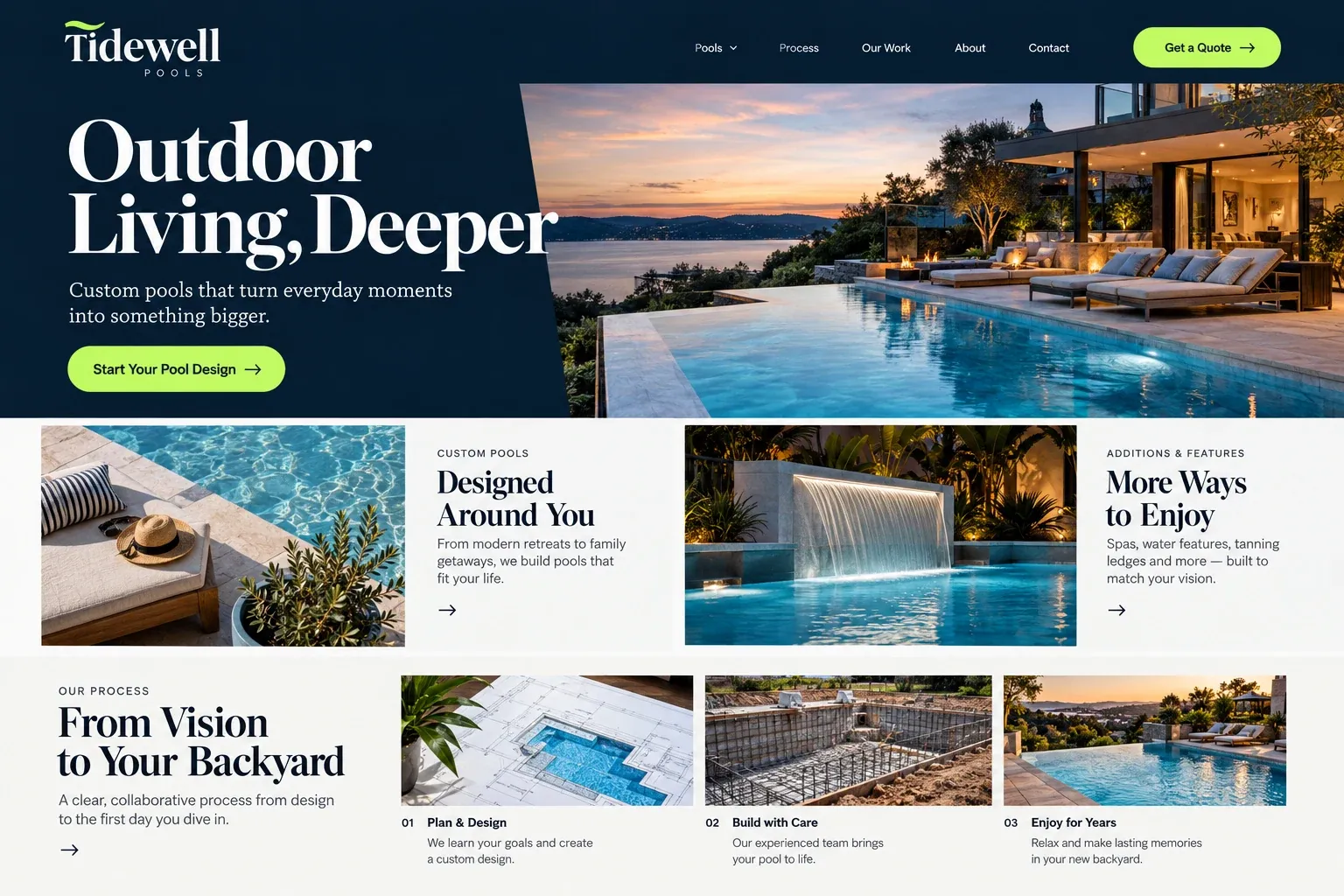
Website design concept for screen enclosure and pool cage builders, an illustration
Illustration only: the design, business name and logo are made up to show the kind of website we can build. Not a real business or client website. Yours is designed from scratch around your brand.

Your customer's story

Mosquitoes win the backyard again

The Morales family put in a pool three summers ago, and they still barely use it after sunset. Mosquitoes find them within minutes, leaves blanket the water after every storm, and the lizards have claimed the deck chairs. One night, swatting at her ankles, Gabriela tells her husband she is done and starts looking at pool cages on her phone.

The photos she finds are confusing. Some cages look like warehouse frames dropped over a pool. Others have elegant mansard roofs and tall domes, but the websites never say what they are called or how the screens differ. One builder shows each style on real homes, explains screen types such as standard, no-see-um, and privacy, and mentions permits and wind design in plain words.

That builder's site visit form asks whether the pool already exists, the rough size of the deck, and whether she wants to keep the view of the canal. She sends it with two photos from the patio. A screen enclosure website earns that request by helping a family picture their own backyard under a cage they actually like.

Why it matters

Why screen enclosure builders need a website.

A pool enclosure is a large structure attached to a house, so homeowners research it carefully. They want to compare roof styles, frame colors, and screen types, and they want to know about permits, engineering, and how the cage handles storms. A social media page can show a nice photo, but it cannot explain the difference between a mansard and a dome or present rescreening as a separate service.

We build screen enclosure websites around those decisions. Each enclosure style gets a page with photos of your builds and the questions it answers. Screen materials are compared side by side. Rescreening, repairs, and patio or entryway enclosures get their own pages for steady smaller jobs, and the site visit form gathers the details your estimator needs.

What your customers search for

  • pool enclosure near me
  • pool screen enclosure Miami
  • rescreening pool cage
  • screen room builders
  • pool cage repair Miami
  • no-see-um screen enclosure

Your customers

What homeowners ask before hiring a pool cage builder

  • Which style suits our house?

    A style gallery showing mansard, dome, gable, and flat roof enclosures on real homes, with notes on views, rooflines, and frame colors.

  • What screen should we choose?

    A comparison of standard, no-see-um, privacy, and heavier pet screens, explaining in plain words what each one keeps out and how it looks.

  • Will it survive a storm?

    A page on how your enclosures are engineered and permitted, written with your approval, plus what owners should do before a storm arrives.

  • Can you fix our old cage?

    Separate pages for rescreening, panel repairs, and frame painting, so owners of older enclosures know you handle more than new builds.

What we build

What a website for screen enclosure builders should include.

  • Enclosure style gallery

    Each style shown on finished homes, from several angles, with a note on roof shape, frame color, and screen used.

  • Screen material guide

    Standard, no-see-um, privacy, and pet-resistant screens compared, with photos showing how each looks from inside the patio.

  • Rescreening and repair pages

    Smaller jobs explained on their own pages, with a quick request form and a photo upload for torn panels.

  • Site visit request

    Questions about the pool, deck size, house type, and goals, with room to attach photos of the backyard.

  • Permit and engineering notes

    A plain page on the drawings, permits, and inspections involved, written with you and approved line by line.

  • Patio and entry enclosures

    Pages for screened porches, lanais, and front entry enclosures, which bring in homeowners who have no pool at all.

Planning guide

What should a pool enclosure builder's website include?

A screen enclosure website has to help families picture a structure that will sit over their backyard for years. It should show styles, explain screens, and describe the permit and build process, then make the site visit easy to request. Here is how we plan those pages and how the site helps a builder get found nearby.

Show each enclosure style on real homes

Homeowners rarely know the names of cage styles, but they know what they like when they see it. Group your photos by style, with mansard, dome, gable, and flat roof enclosures each on their own page or gallery. Show each from the yard and from inside the patio, and add a line about the house and what the family wanted from the space. Night photos with the pool lit are worth adding too.

Explain screens, frames, and permits

Screen choice affects views, privacy, and comfort, so give it a clear page. Compare the screen types you install with close-up photos and plain notes on what each keeps out, how it changes the view, and how long it tends to last in strong sun. Mention the frame colors you offer and how frames are finished.

Then explain the structural side honestly. Describe the engineered drawings, the permit and inspections, and how long each stage usually takes in your area. Homeowners want to know the cage is built properly for wind, and a page you approve line by line answers that without promising anything the engineering cannot.

Make the site visit simple

Ask for the address or area, whether the pool exists or is planned, the rough deck size, and what matters most: views, privacy, or pets. Let people attach backyard photos. Keep the phone number visible, and say when you usually call back. For rescreening, a shorter form with a photo of the damage is enough, and it keeps small jobs moving quickly.

Get found for new builds and repairs

People search for pool enclosures and for rescreening in their town, and the two searches come from different homeowners. Give each service its own page, list the areas you work in, and keep your Google Business Profile consistent with the site. After a storm, repair searches rise, so a repair page that is easy to find helps owners of damaged cages reach you first. Reviews that mention a style or a rescreen help as well.
In your market

Built for screen enclosures in South Florida

Screen enclosures are part of the landscape here because of the long outdoor season, insects, and leaves that fall into pools year round. Builders work with wind load requirements, engineered drawings, permits, and inspections, and storms send many owners looking for rescreening at once. Salt air near the coast is hard on frames and fasteners. Some customers are seasonal residents who manage the project from afar, and many prefer to read in Spanish.

Questions

Questions screen enclosure builders ask us.

Should our enclosure website explain wind ratings?

Yes, in plain words and only what you can stand behind. We write a short page on how your enclosures are engineered and permitted, using the details you provide, and you approve every line. That answers a common worry without making claims the drawings do not support.

How do we show rescreening work if it looks less impressive?

Before and after photos of torn, faded screen replaced with fresh panels are persuasive, especially taken from inside the patio. Rescreening gets its own page and its own short request form, so owners of older cages see quickly that you do repairs, not only new builds.

Can homeowners send backyard photos with their enclosure request?

Yes. The site visit form accepts photos, and they arrive in your email with the request. Photos of the pool, deck, and roofline help your estimator judge the job before visiting, and they help you decide which requests to visit first.

Should we list the cities where we build pool cages?

List the cities and neighborhoods you actually cover on a service-area page, with a few enclosures from each where you have them. Where you do a lot of work, a dedicated page with local photos and permit notes gives homeowners in that area something specific to find.

Let's talk

Ready for a website built for screen enclosure builders?

Tell us about your business and we will come back with a clear recommendation and a fixed quote. No pressure, no jargon.

Trades we design for

See all 436 trades

436 trades

  • Plumbers website design concept
CallFree quote