Web design for real estate agents and brokerages

Real estate websites for agents who know the neighborhood.

Buyers can scroll the same listings on any portal. What they cannot find there is an agent who knows which streets flood at king tide, which condo buildings allow short-term rentals, and how to write an offer that holds.

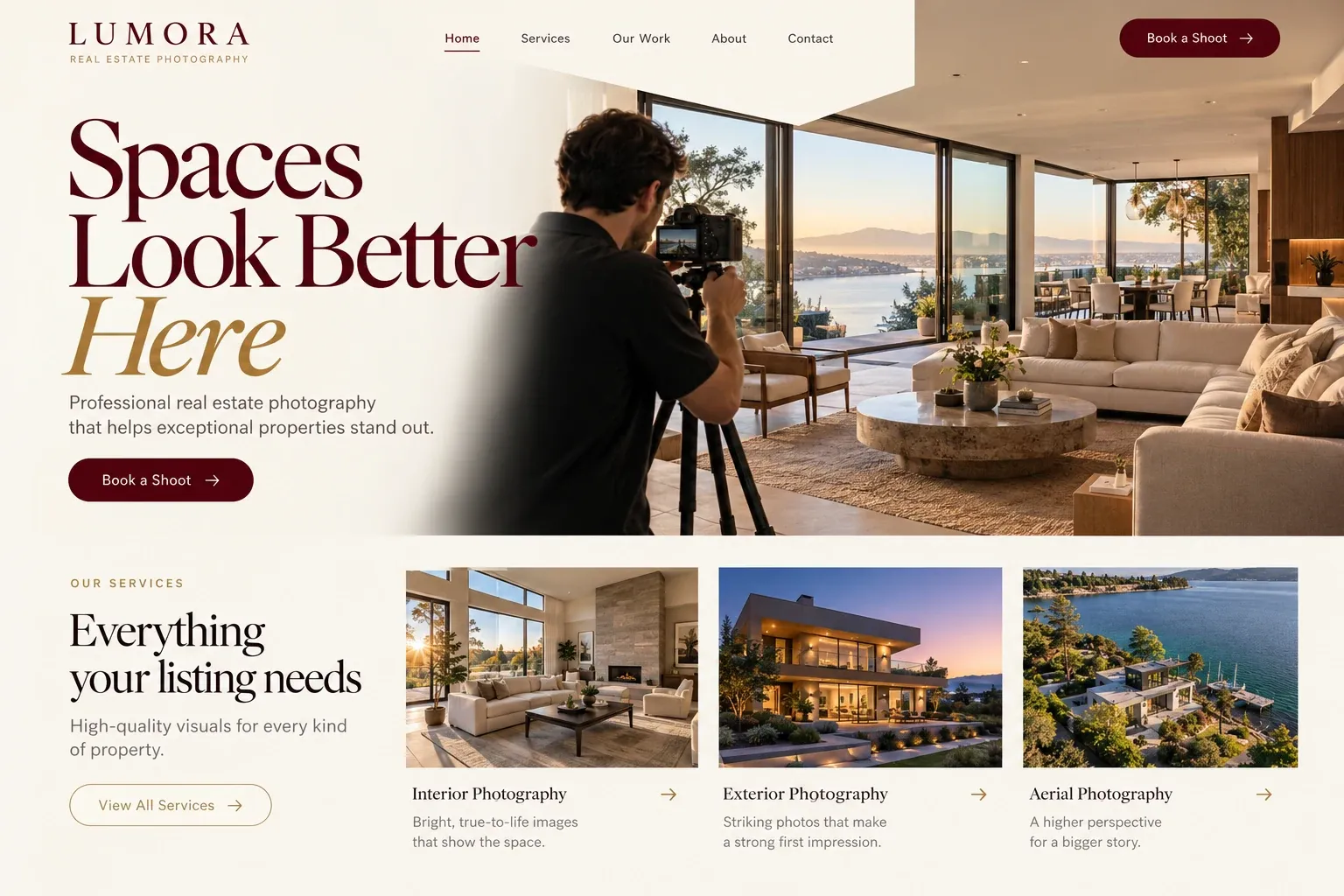
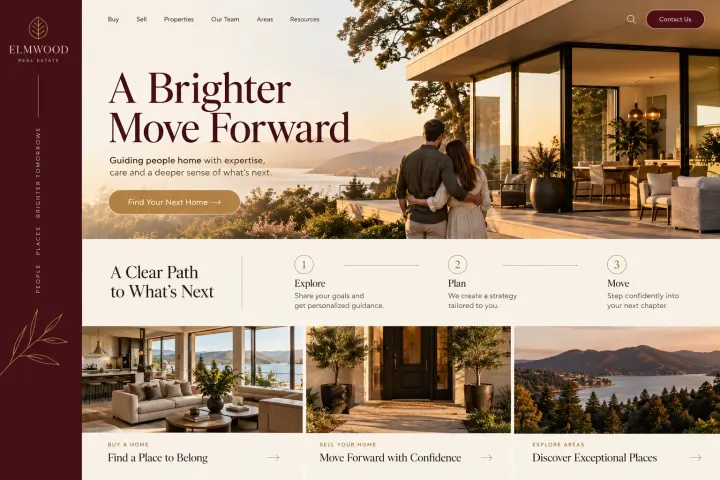
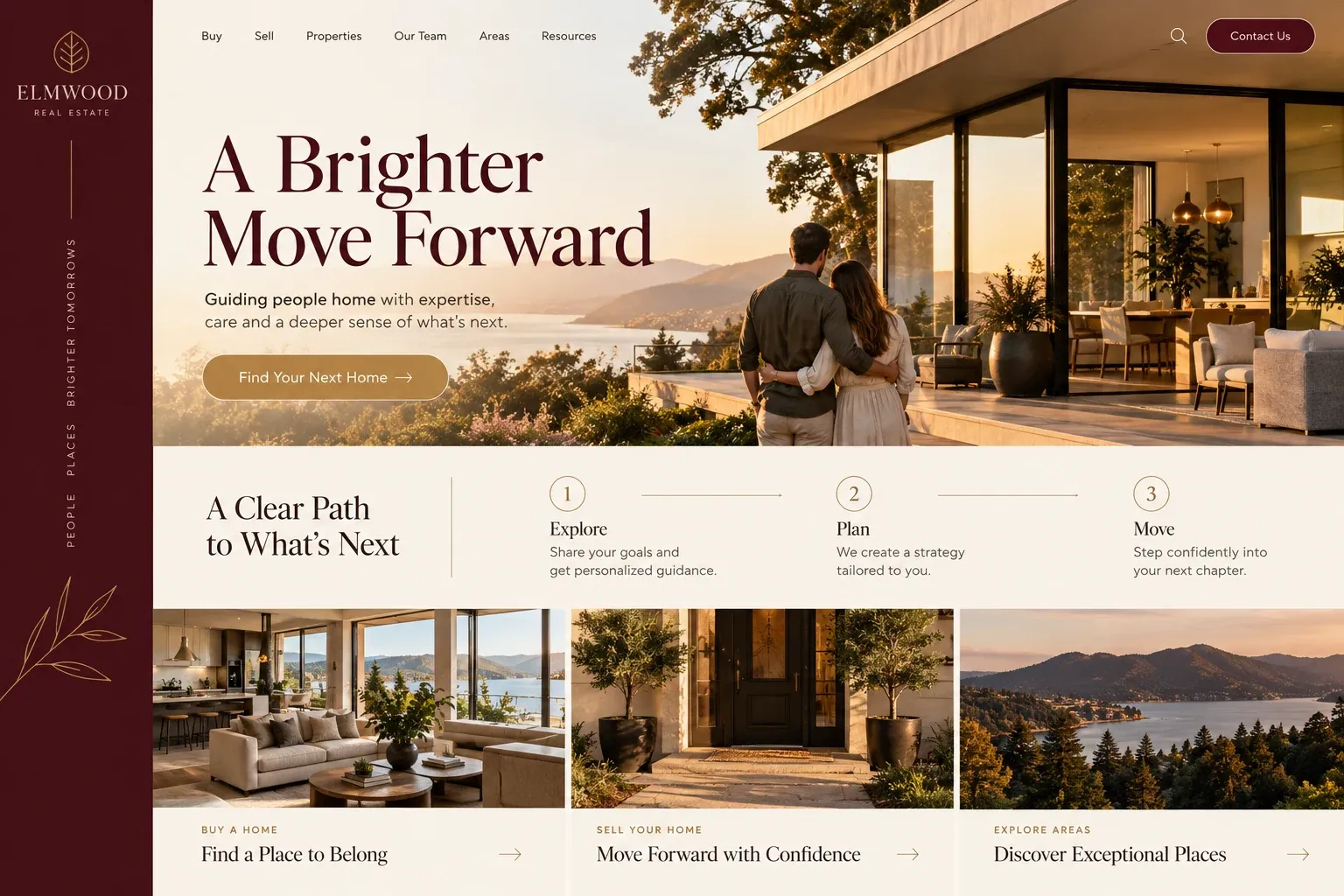
Fictional real estate agents and brokerages website homepage design concept
A design concept for a fictional brand. Your site is designed from scratch around yours.

Your customer's story

Wondering what the condo would sell for

Hector has owned his two-bedroom condo in Doral for eleven years. A new job in Fort Lauderdale means an hour in traffic each way, and his wife is tired of sharing one parking spot. After the kids are asleep, he opens a listing portal on his phone and finds a unit two floors below his, listed last month. He wonders what that means for theirs.

The portal offers him an instant estimate that feels too high and a list of agents who paid to appear beside it. He searches for agents who sell in his building. One site is a wall of listings with a headshot. Another has a page just for sellers: how pricing works in his area, what to fix before photos, what the condo association will ask for, and a form to request a walk-through.

He sends the form that night, mentioning the parking spot and the leaking balcony door. The agent who calls back already knows the building, its recent sales, and the association's rules on showings. Hector never calls anyone else. An agent's website earns that call by showing sellers a clear first step and enough local detail that they believe the agent has walked their hallway before.

Why it matters

Why real estate agents and brokerages need a website.

Real estate is a relationship business that now starts on a screen. Buyers spend weeks on the big portals before they speak to anyone, and sellers quietly look up their neighbors' sale prices. Those portals show the house, not the agent, and they often place a competitor's face beside your listing. A social profile shows lifestyle; it cannot hold neighborhood guides, a seller's guide, or a search that keeps people on your own site.

We build agent and brokerage sites with two front doors, one for buyers and one for sellers, so neither has to wade through the other's questions. Listings come from the MLS or IDX search you already use, linked or embedded, so they stay current without retyping. Around them we write neighborhood and building pages from your notes, an agent roster for brokerages, and a contact form that routes each request to the right person.

What your customers search for

  • real estate agent near me
  • realtor in Miami
  • homes for sale in Coral Gables
  • condos for sale Brickell
  • how much is my house worth
  • best real estate agent Miami

Your customers

What buyers and sellers look for on an agent's site

  • Do you actually know this area?

    Neighborhood and building pages written from your own experience: commute, flood zones, parking, association rules, and what recent sales tell a buyer.

  • What is my home worth?

    A home value request that goes to you, not an automated number, so the seller gets a considered answer and you get a conversation.

  • Is that listing still available?

    Your MLS or IDX search linked or embedded on the site, so status and price come straight from the source instead of a page someone forgot to update.

  • Who will I actually be working with?

    A real profile for each agent: the areas they cover, the languages they speak, the kinds of property they handle, and a direct way to reach them.

What we build

What a website for real estate agents and brokerages should include.

  • Buyer and seller paths

    Two clear starting points on the home page, each leading to the guides, forms, and answers that side of the deal needs.

  • MLS or IDX search

    The listing search your brokerage already uses, embedded or linked, so properties stay current without anyone copying them by hand.

  • Neighborhood and building guides

    Pages on the areas and condo towers you know best, written from your notes and updated as things change.

  • Home value request

    A short seller form asking for the address, timing, and condition, sent to you for a personal market analysis.

  • Agent roster

    For brokerages, a page per agent with photo, areas, languages, and contact details, kept current as people join.

  • Honest sold listings

    Past sales shown with your role stated plainly, listing side or buyer side, and photos you have the right to use.

Planning guide

What belongs on a real estate agent's website besides listings?

Listings are the part of an agent's site that every competitor has too, since they come from the same MLS feed. The rest of the site is where an agent or brokerage stands apart: the local knowledge, the plain advice, and the people. Here is how we plan those pages, what to put on them, and how they help buyers and sellers find you.

Split the site by buyer and seller

A first-time buyer and a homeowner thinking about listing want different things, and a single menu of everything serves neither. Give buyers a path with the search, a short guide to the buying steps in Florida, and neighborhood pages. Give sellers a path with how you price and market a home, what to prepare, and a home value request. A home page, these two paths, an about page, and a contact page make a solid start.

Let the MLS do the listing work

Do not retype listings onto your site. The MLS or IDX search your brokerage already subscribes to can be embedded or linked, so prices, photos, and status update on their own. Your own pages then do what the feed cannot: explain a building's association rules, describe a street at rush hour, or show a past sale with your role stated honestly, whether you represented the seller or the buyer.

Make every inquiry easy to answer

Buyers often want a showing, and sellers want a conversation. Keep the forms short and specific: a showing request with the property and preferred times, a seller form with the address and a rough timeline, and a general message box. Each one arrives in your inbox with the details needed to call back prepared. A tap-to-call number and a text option suit buyers browsing between appointments.

For a brokerage, let visitors pick an agent or send a request to the front office. Show each agent's languages and specialties, such as condos, waterfront homes, or rentals, so an overseas buyer or a landlord reaches the right person the first time. Keep the brokerage name, office address, and main number visible on every page.

Earn local searches with local pages

Many searches name a place, not an agent: condos in Brickell, townhouses in Doral, waterfront in Coconut Grove. Pages written about the places you really work give search engines something specific to match. Keep your details consistent with your Google Business Profile and ask clients after closing to review you there. Nothing promises a ranking, but useful local pages give an agent a fair chance to be found.

In your market

Built for real estate in South Florida

Real estate here moves between languages, countries, and seasons. Many buyers come from Latin America, Canada, and Europe and start their search from abroad, often in Spanish or Portuguese. Condo buildings dominate much of the coast, each with its own association, rental rules, and inspection history. Flood zones, insurance costs, and hurricane features weigh on decisions. We give those topics clear pages, keep the MLS search front and center, and can add a Spanish version of the site.

Questions

Questions real estate agents and brokerages ask us.

Can our MLS listings appear on the real estate website?

Yes. We embed or link the MLS or IDX search your brokerage already subscribes to, so buyers reach current listings, prices, and status from your site. We do not build listing software of our own. Your vendor's search handles the data, and our pages handle the context around it.

Should each agent in our brokerage have a page?

For most brokerages, yes. Buyers and sellers often choose a person before a company, and a page per agent gives each one a link to share and a place to show areas, languages, and past sales with their role stated. When agents join or leave, you send us the change and we update the roster.

Can we write neighborhood guides without sounding like a brochure?

Yes, and the best ones read like advice from a friend in the business. You give us notes on parking, traffic, flood zones, building rules, and what recent sales suggest, and we turn them into pages you approve. Facts about the place carry more weight than adjectives.

Do real estate sites need a Spanish version in Miami?

Many of your buyers and sellers would rather read in Spanish, and some search from Latin America before they ever visit. We can add a Spanish version of every page, including the buyer and seller guides. If agents on your team speak Portuguese, French, or Haitian Creole, we list those languages on their profiles too.

Let's talk

Ready for a website built for real estate agents and brokerages?

Tell us about your business and we will come back with a clear recommendation and a fixed quote. No pressure, no jargon.

Trades we design for

See all 226 trades

226 trades

  • Plumbers website design concept
CallFree quote