Web design for assisted living communities

Website design for assisted living communities.

Choosing assisted living is one of the hardest decisions a family makes together. They want to see an ordinary Tuesday, not just a lobby, and to understand support, costs, and visiting before they ever take a tour.

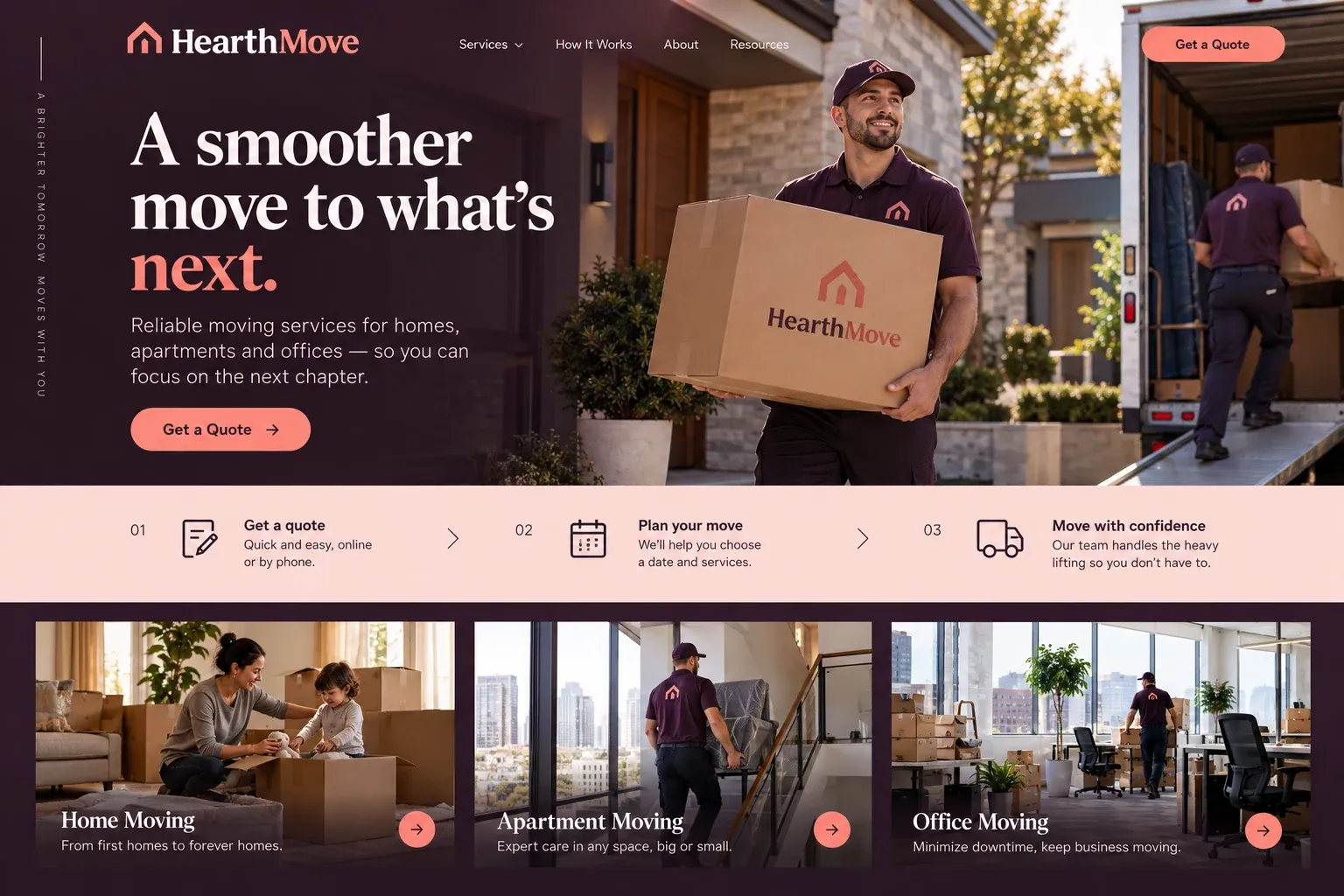
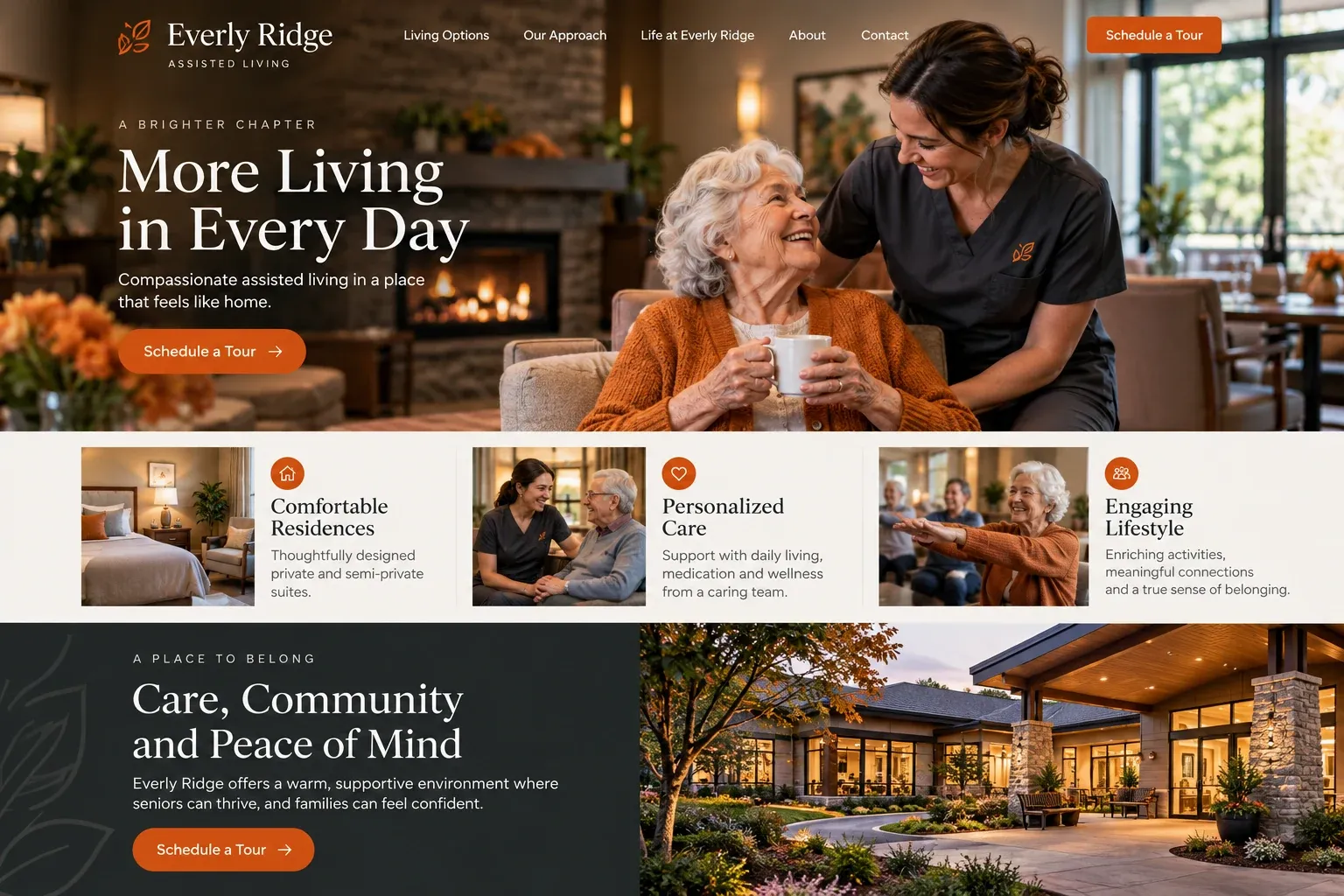
Fictional assisted living facilities website homepage design concept
A design concept for a fictional brand. Your site is designed from scratch around yours.

Your customer's story

Picturing an ordinary Tuesday for Dad

After his second fall in a month, Mr. Alvarez agrees with his daughters that living alone is no longer working. Patricia, the elder, takes on the research. She starts with a list from a placement service and a few names from friends, and she spends her lunch breaks searching "assisted living near me" and "assisted living with Spanish speaking staff" on her phone.

Most websites show the same things: a grand lobby, a smiling couple at a table, and the word community over and over. They do not say what a day looks like or what help is included. One community's site is different. It shows a sample daily schedule, this month's activity calendar, a dining menu, real photos of the apartments, and a clear page on the levels of support it provides.

It also explains visiting hours, how families stay in touch, and what to ask on a tour. Patricia books a Saturday visit with the online form and brings her father along. An assisted living website helps a family like hers by showing everyday life honestly, describing support precisely, and making the tour easy to arrange, so the hard conversations happen with real information.

Why it matters

Why assisted living communities need a website.

Families compare assisted living communities over weeks, usually starting online and often guided by placement services that send several names at once. They look past the lobby to daily life: meals, activities, help with bathing and medication, visiting, and what happens if needs change. A placement service listing or a social page shows highlights, but it cannot carry a full picture of life inside or help a family plan a well-prepared tour.

We build assisted living sites that show the everyday. Daily schedules, activity calendars, and dining menus are easy to update. Apartment types and the levels of support you offer are described precisely, with your license information where families can find it. Real photos show residents only with their permission. Tour requests ask for a name, phone, and preferred time, and no form asks families to share medical details.

What your customers search for

  • assisted living near me
  • assisted living Miami
  • memory care facilities
  • assisted living with Spanish speaking staff
  • respite care for elderly
  • assisted living vs nursing home

Your customers

What families look for before touring assisted living

  • What does a normal day look like?

    A sample daily schedule, this month's activity calendar, and dining menus, kept current, so families can picture a parent's routine before they visit.

  • How much help is included?

    Clear descriptions of the support you provide, such as help with bathing, dressing, and medication, and what happens when a resident's needs change.

  • Can we visit whenever we like?

    Visiting hours, how family members stay in touch, and policies for outings, holidays, and overnight guests, written plainly so nobody has to ask.

  • Is the building ready for a storm?

    Your emergency and hurricane preparations described factually, including generator power if you have it, so Florida families get the answer they expect.

What we build

What a website for assisted living communities should include.

  • Daily life pages

    Sample schedules, activity calendars, outings, and clubs, laid out so families can see an ordinary week, not just special events.

  • Dining menus

    Weekly or monthly menus posted as easy-to-update pages, with notes on special diets and how the dining room works.

  • Apartments and floor plans

    Studio, one-bedroom, and companion suites shown with real photos and floor plans, plus what is included with each type.

  • Support level descriptions

    Each level of assistance described in plain terms, including memory care if you offer it, with how assessments are done.

  • Tour request form

    Name, phone, preferred day, and how they heard of you. Personal or medical information is discussed in person during the visit.

  • Family and visitor guide

    Visiting hours, parking, family events, communication with staff, and what to bring on move-in day, all on one page.

Planning guide

What should an assisted living website show families before a tour?

An assisted living website supports a long, emotional decision. Families return to it many times, often sharing links with siblings. It should show everyday life honestly, explain support precisely, and make the tour easy to book. This guide covers the pages a community needs, what to show, how families should get in touch, and how the community gets found.

Show daily life, not just the lobby

Families want to imagine their parent's day. Post a sample daily schedule, a current activity calendar, and dining menus, and update them every month. Use real photos of apartments, common areas, and activities, with residents shown only when they have agreed. A slightly ordinary photo of a busy craft table tells families more than yet another image of a chandelier.

Describe support and costs precisely

Explain each level of support you provide, such as help with bathing, dressing, medication, and mobility, and say how needs are assessed and reviewed. If you offer memory care or respite stays, give them pages of their own. Families appreciate knowing how costs are structured, even without exact figures, so explain what the monthly rate includes and what may be added. Show your license information plainly.

Make tours and contact simple

Most families want to visit before deciding. A tour request form asks for a name, a phone number, a preferred day, and how the family heard of you, and nothing medical. Offer virtual tours or video calls for relatives who live far away. A printable checklist of questions to ask on a tour helps families arrive prepared and shows confidence in what they will find.

Show your phone number on every page and say who answers it, whether a community relations director or the front desk. Explain visiting hours, how families stay in touch with staff, and what to expect in the first weeks after move-in. Answers like these help families picture the transition and bring better questions to the tour.

Help families and placement advisors find you

Families search by city and by need: assisted living near me, memory care in a particular neighborhood, communities with Spanish-speaking staff. Pages for each service and a clear location page give those searches a match. Keep your Google Business Profile accurate, encourage honest reviews from families, and make the site easy to share, since placement advisors and siblings will pass the link along.
In your market

Built for assisted living in South Florida

Many older adults in South Florida live far from their children, and families often choose a community from another state or country. Spanish is the preferred language for many residents, and a bilingual staff is a common request. Hurricane season brings direct questions about generators, evacuation, and how families are updated during a storm. Some residents are seasonal and ask about respite or short stays. We address these points plainly and can add a Spanish version.

Questions

Questions assisted living communities ask us.

How often should an assisted living community update its activity calendar online?

Monthly is a good rhythm. We set up the calendar and menus so they are easy to replace, either by your staff or by us when you send the new files. A current calendar tells families the community is active and well run, and an outdated one quietly suggests the opposite.

Can we show residents in photos on our assisted living website?

Yes, with each resident's written permission, or their representative's where appropriate, and only in dignified moments they are comfortable sharing. We avoid captions that reveal health information. Photos of real activities and spaces are more convincing than stock images, so we plan a shoot around everyday life.

Should assisted living websites explain hurricane preparations?

In Florida, families expect it. We write a factual page on your emergency power, supplies, evacuation arrangements, and how families are contacted during a storm, using only details you confirm. It should reassure because it is specific, not because it uses comforting words.

Can the site offer virtual tours of our community to families who live far away?

Yes. We can embed a video walkthrough or a 3D tour if you have one, and add a booking option for live video tours with your community relations team. Out-of-town relatives can then see the apartments and common areas and share the link with siblings before anyone flies in.

Let's talk

Ready for a website built for assisted living communities?

Tell us about your business and we will come back with a clear recommendation and a fixed quote. No pressure, no jargon.

Trades we design for

See all 226 trades

226 trades

  • Plumbers website design concept
CallFree quote