Web design for boat storage facilities

Website design for boat storage facilities.

Boat owners choose storage by distance to the water, protection from storms, and how easy it is to get the boat out on a Saturday morning. A clear website answers those questions before they drive over to look.

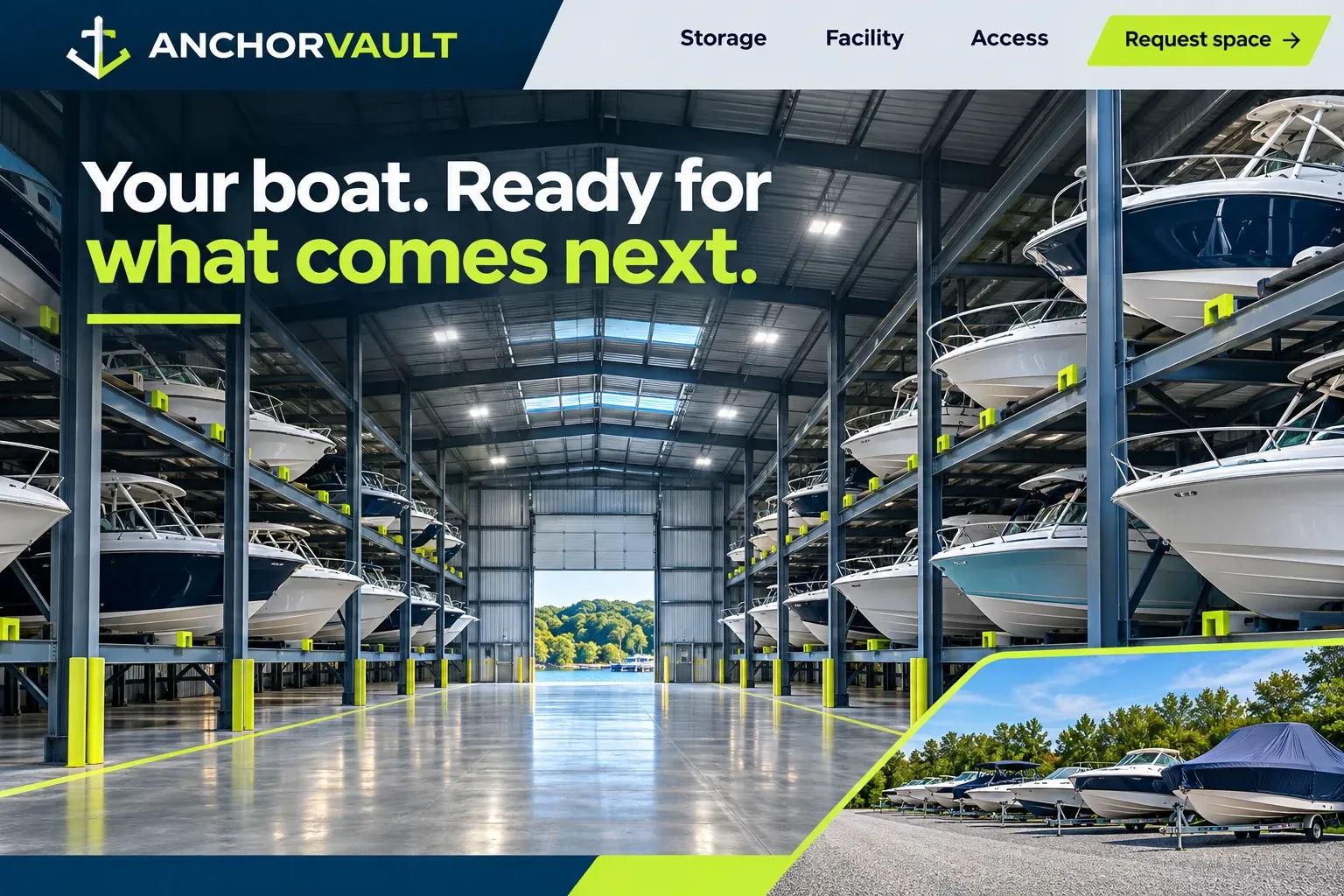
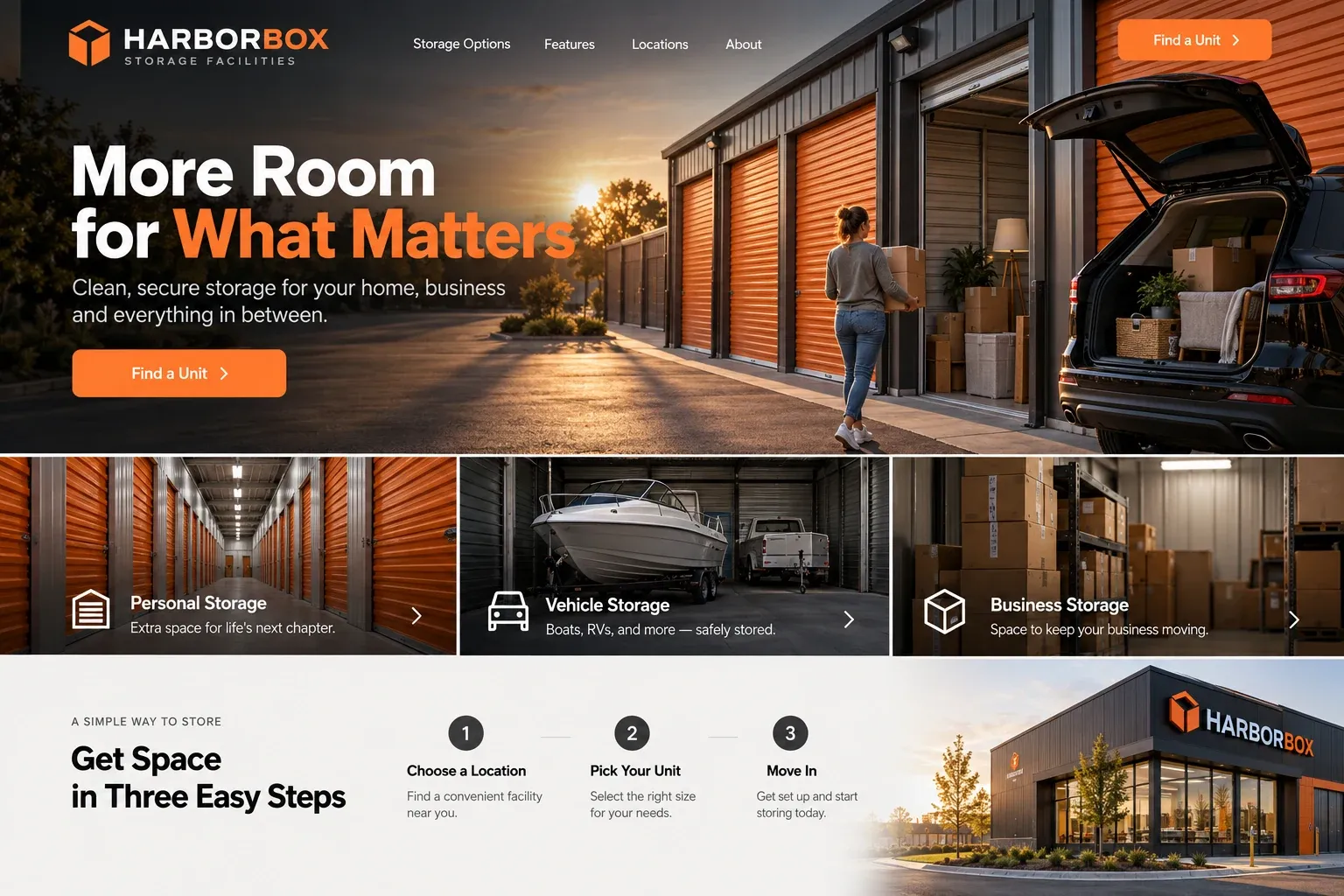
Website design concept for boat storage facilities, an illustration
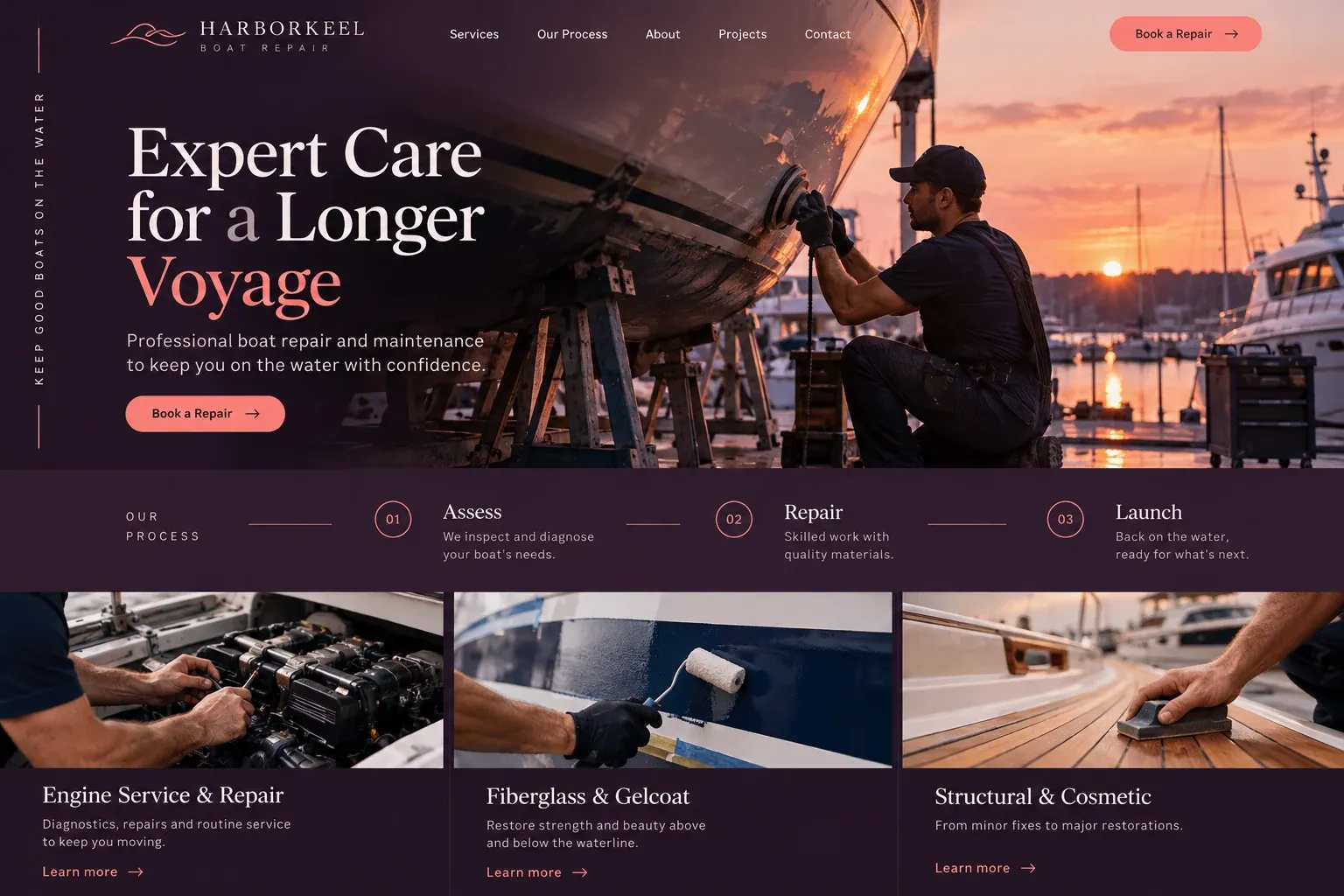
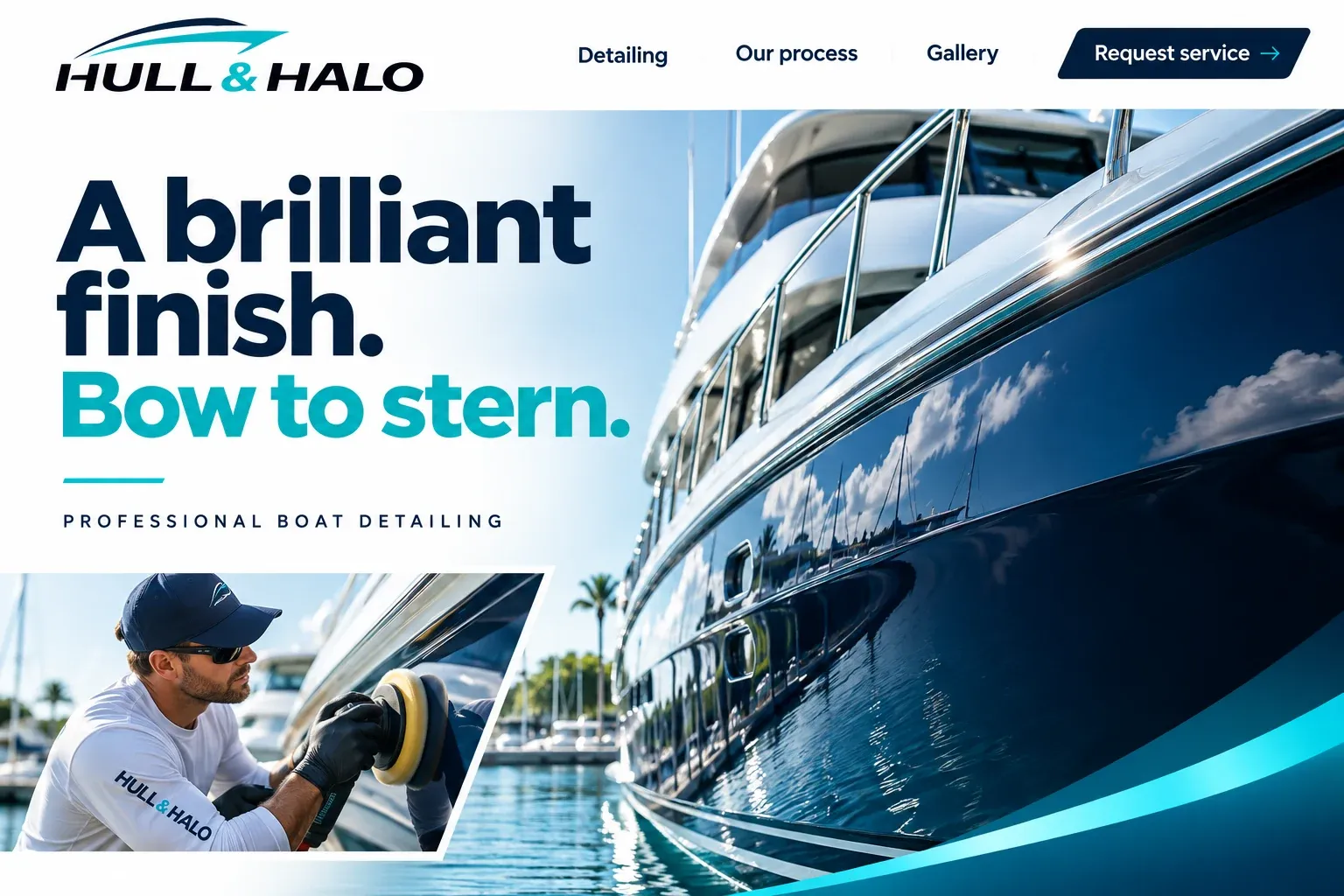
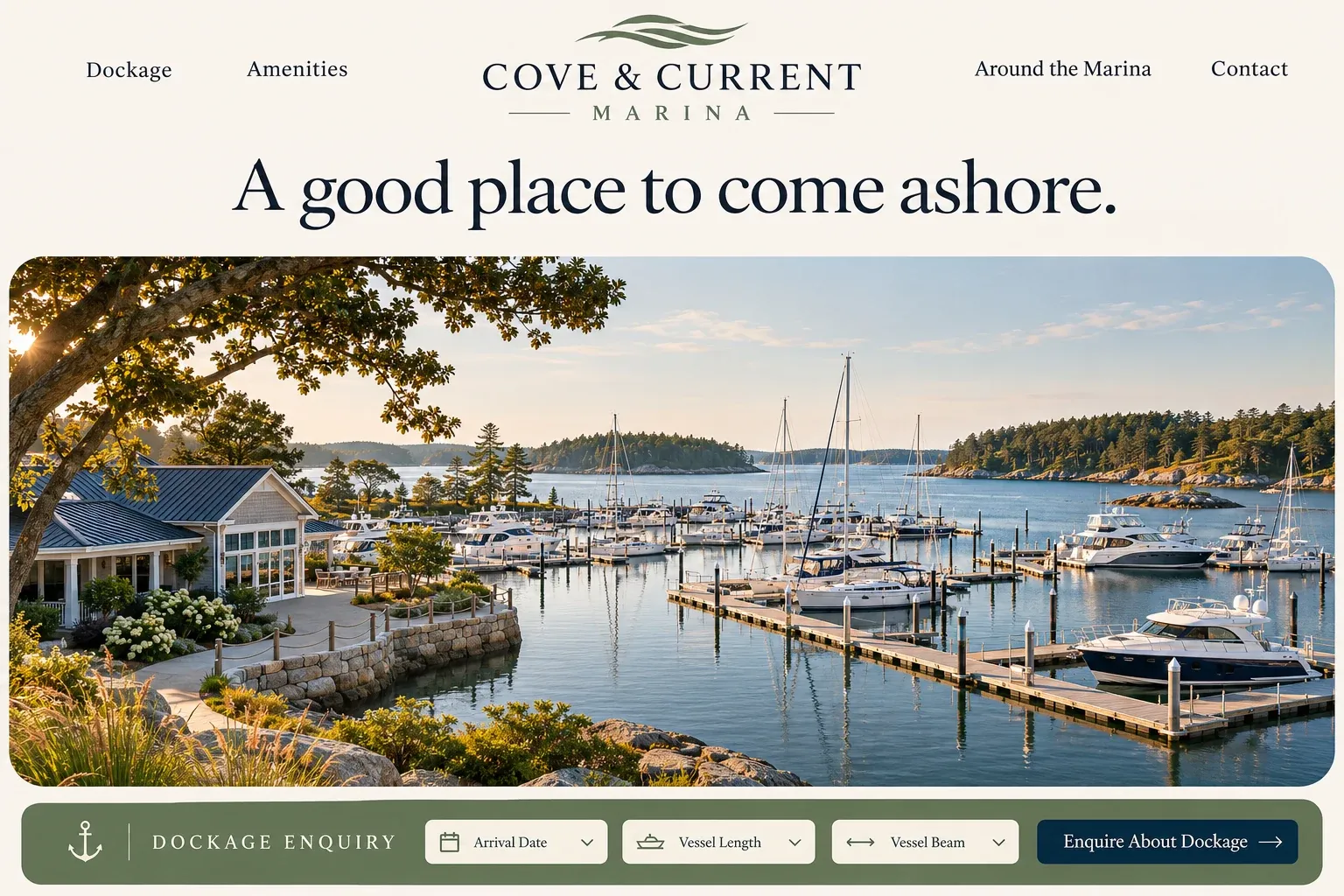
Illustration only: the design, business name and logo are made up to show the kind of website we can build. Not a real business or client website. Yours is designed from scratch around your brand.

Your customer's story

Hurricane season and a boat in the driveway

Luis keeps his bay boat on a trailer beside the house, and for years that worked. Then his homeowners association sends a letter about trailers in driveways, and the evening news starts talking about an active hurricane season. One night he searches for dry stack and covered boat storage near the ramp he uses, wondering what it would take to move the boat.

The first listing is a self storage company with one line about boats and no photos. The second is a marina with a waitlist and no details. The third facility shows its racks and covered spaces, lists the boat lengths and heights it can handle, explains how launching works for dry stack customers, and spells out its hurricane plan and gate hours.

Luis calls the next morning to ask whether a space suits a boat his size and leaves with a tour booked. He never had to guess. A boat storage website should answer exactly what he needed: what kinds of storage you offer, what fits, how owners get to the water, and what happens when a storm is on the way.

Why it matters

Why boat storage facilities need a website.

Boat owners compare storage on details that matter a lot to them: boat length and height limits, covered or open spaces, dry stack launching, security, hours, and how the facility prepares for storms. Directory listings show an address and a phone number, and most self storage websites barely mention boats. Owners who cannot find these answers quickly call somewhere else, or leave the boat in the driveway for another season.

We build boat storage websites that make the options easy to compare. Each type of storage, dry stack, covered, open lot, or indoor, gets a clear page with size limits and what is included. Access hours, launch requests, security, and hurricane procedures are explained plainly. A storage enquiry form asks for the boat's length, height, and type, so your team can answer with availability on the first reply.

What your customers search for

  • boat storage near me
  • dry stack storage Miami
  • covered boat storage
  • indoor boat storage Fort Lauderdale
  • boat trailer storage
  • hurricane boat storage

Your customers

What owners ask before choosing boat storage

  • Will my boat fit?

    Length, beam, and height limits for each storage type, trailer requirements, and a form that asks for the boat's details before you confirm a space.

  • How do I get my boat out?

    How launch requests work for dry stack, how much notice you need, the hours your forklift runs, and gate access for trailered boats.

  • What happens in a hurricane?

    Your storm procedures in plain terms: what the facility does, what owners must do, and when the plan starts, as approved by you.

  • Is my boat secure here?

    Gates, cameras, lighting, staff hours, and the insurance owners need to carry, stated clearly so there are no surprises when they sign up.

What we build

What a website for boat storage facilities should include.

  • Storage type pages

    Dry stack, covered racks, open lot, indoor, and trailer storage, each with size limits, photos, and what is included.

  • Size and fit guide

    A plain chart of length, beam, and height limits, with a note on towers, outriggers, and trailers.

  • Launch request link

    Your launch app or a simple request form, with notice times and forklift hours stated on the page.

  • Hurricane plan page

    What the facility does before a named storm, what owners must do, and how updates are shared.

  • Access and security details

    Gate hours, keycard or code entry, cameras, lighting, and staff presence, described as they really are.

  • Storage enquiry form

    Boat type, length, height, preferred storage, and start date, sent straight to your office for an availability reply.

Planning guide

What should a boat storage facility's website include?

Owners searching for boat storage have practical questions, and they want the answers before they drive over. A good storage website explains the options, what fits, how launching and access work, and how the facility handles storms. Here is how we plan the pages, what to show, and how the site helps a facility get found by local boaters.

Explain each storage option clearly

Dry stack, covered, open lot, indoor, and trailer storage solve different problems for different owners. Give each one a short page with photos, size limits, what is included, such as washdowns, fuel service, or battery charging, and who it suits best. Owners compare options side by side, so present the same facts in the same order on each page. If some storage types have a waitlist, say so on that page rather than leaving people to find out on the phone.

Show the facility as it really is

Photos of your racks, forklift, gate, wash area, and ramp do more than any slogan. Show the drive in from the main road and the route to the water. Describe security honestly, including cameras, lighting, and staff hours, and list the insurance and registration owners need to provide. Real photos and plain facts reassure owners that their boat will be looked after while they are at work or away for the summer.

Make enquiries and launches simple

A storage enquiry form should ask for the boat's type, length, height, and the storage type wanted, so your reply can confirm a space or a waitlist position. Keep phone and message buttons visible for owners who would rather call. If availability is tight, say so plainly and explain how the waitlist works and how you contact people when a space opens.

For current customers, the website is also a daily tool. Link the launch request app you use, or offer a short form, and state notice times, forklift hours, and holiday schedules. Post your hurricane procedures and update them each season. Customers who find answers online call the office less, and your staff can focus on moving boats.

Help nearby boaters find the facility

Owners search by place, such as dry stack storage near a particular inlet or city. Mention the waterways, ramps, and neighborhoods you serve, keep your details consistent with your Google Business Profile, and ask satisfied customers for reviews. Pages for each storage type give search engines clear topics. This gives a well-run facility a fair chance to appear when local owners start looking.
In your market

Built for boat storage in South Florida

Boating here runs all year, and storage demand follows it. Sun and salt air take a toll on boats left uncovered, so covered and dry stack spaces are in demand. Hurricane season shapes every conversation, from haul-out plans to tie-down rules. Many homes and associations restrict trailers in driveways, and seasonal residents store boats while they are away. We write pages that address these points directly and can add a Spanish version of the site.

Questions

Questions boat storage facilities ask us.

Should our boat storage site show availability?

If availability changes often, show it in general terms, such as spaces open for boats under a certain length or a waitlist for covered racks, and update it when it changes. The enquiry form then confirms the details. Owners appreciate knowing where they stand before they call.

Can customers request a launch through the storage website?

Yes. If you use a launch or dry stack app, we link to it from every page. If not, a short request form sends the boat name, date, and time straight to your staff, with your notice rules shown beside it.

How should a boat storage facility present its hurricane plan?

On its own page, written in plain steps: when the plan begins, what the facility does, what owners must do, and how updates are shared. You approve every line, and we can update the page quickly when you change procedures before a new season.

What photos should a boat storage website use?

Your own: the racks, the forklift lifting a boat, covered spaces, the gate, the wash area, and the route to the water. Photos taken on a phone in good light are fine. Owners want to see the real place where their boat will sit.

Let's talk

Ready for a website built for boat storage facilities?

Tell us about your business and we will come back with a clear recommendation and a fixed quote. No pressure, no jargon.

Trades we design for

See all 436 trades

436 trades

  • Plumbers website design concept
CallFree quote