Planning guide
What should a clothing boutique's website include?
A boutique's website is its shop window when the door is closed. It should show the edit, explain fit and service, and make visiting or buying easy. Here is how we plan a boutique site, what to show on it, and how it helps the shop get found by shoppers who have never walked past it.
Show the edit, not the stockroom
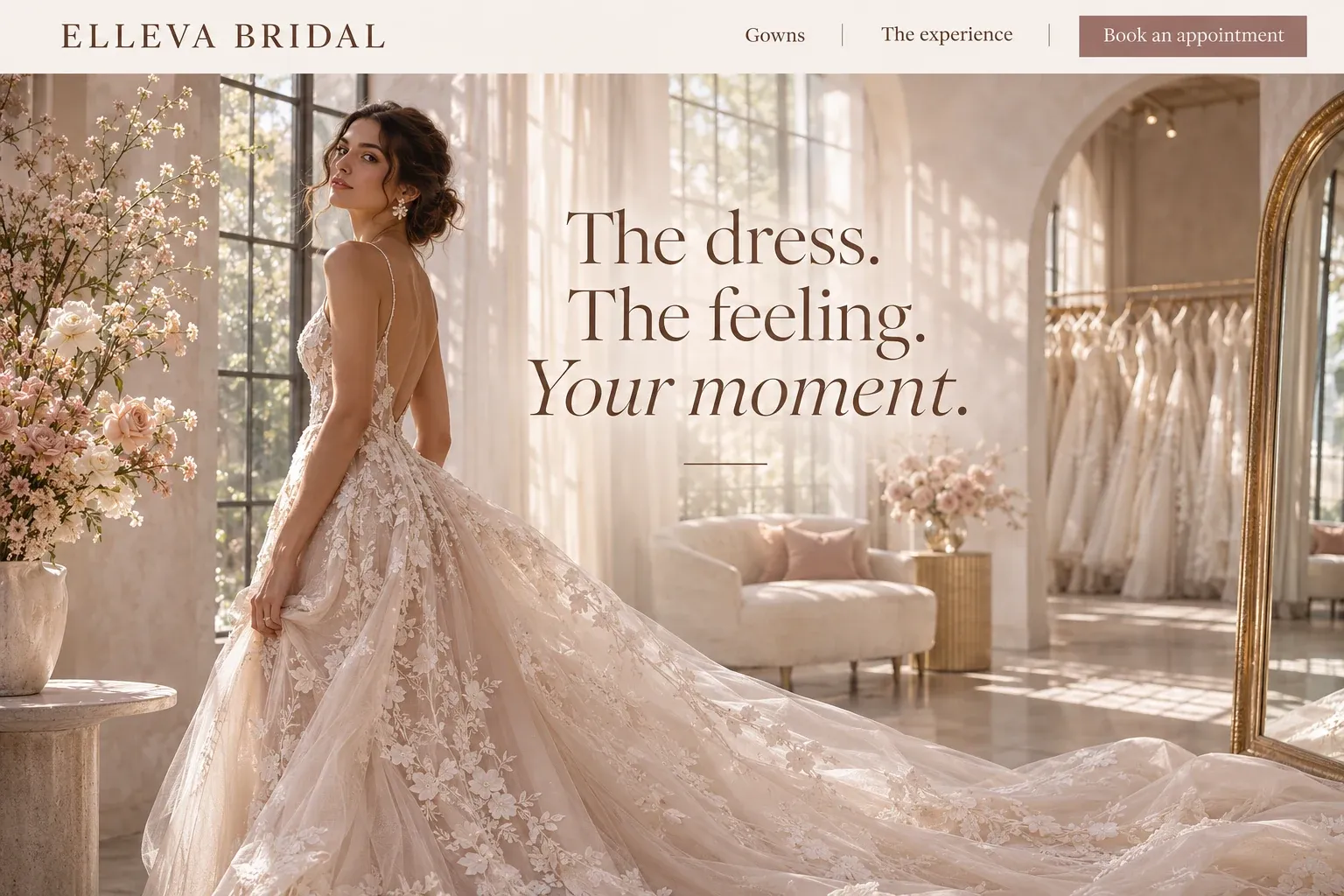
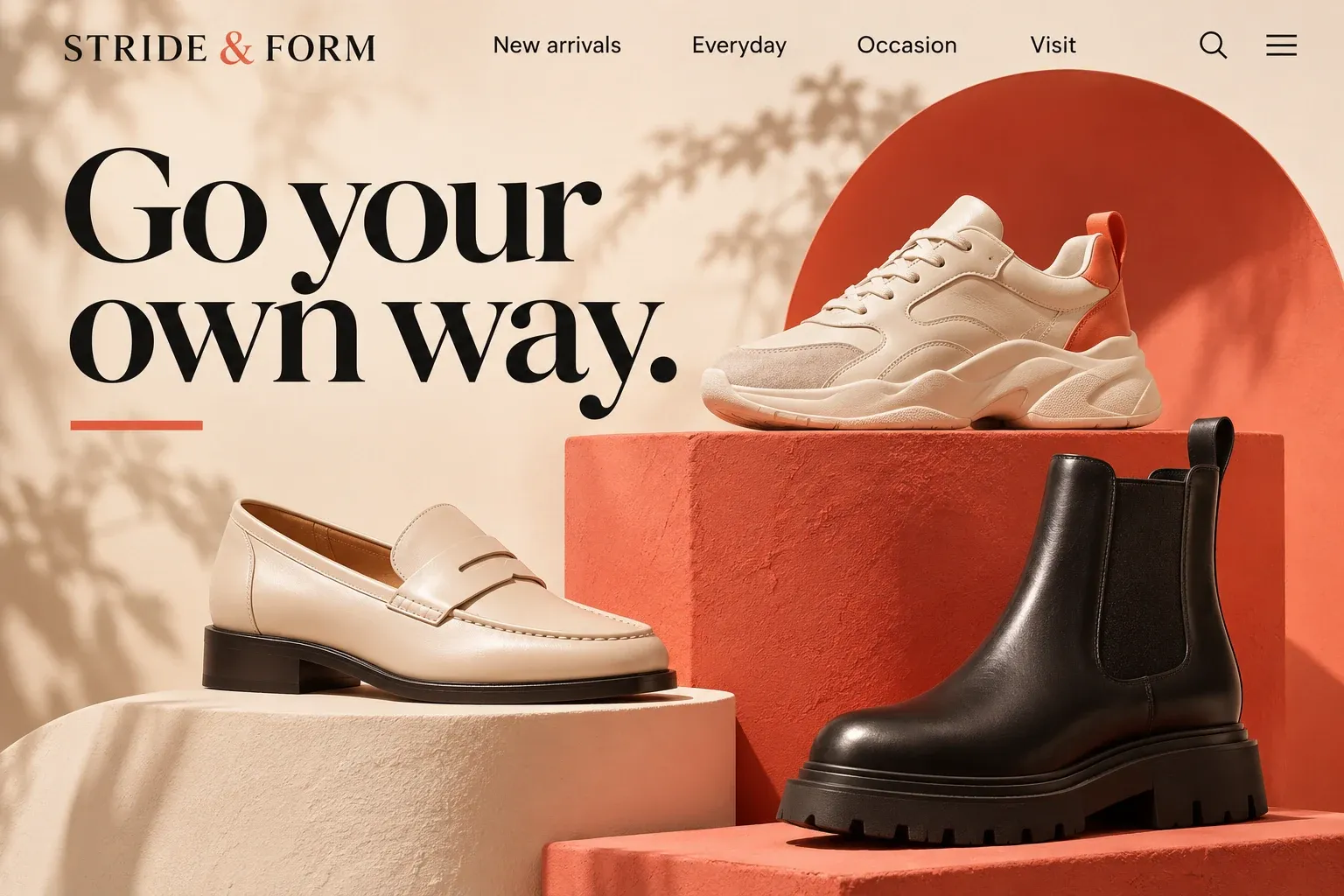
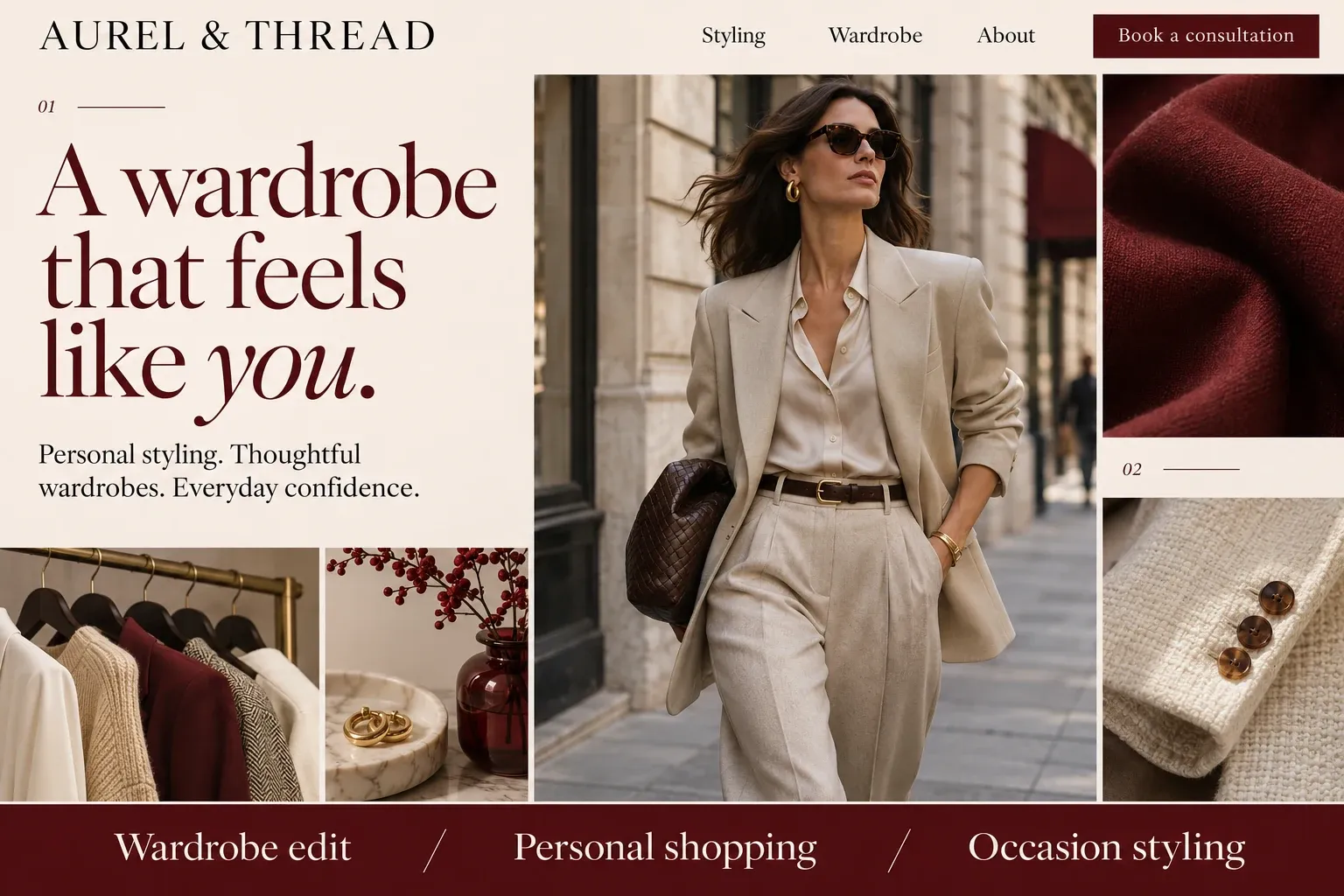
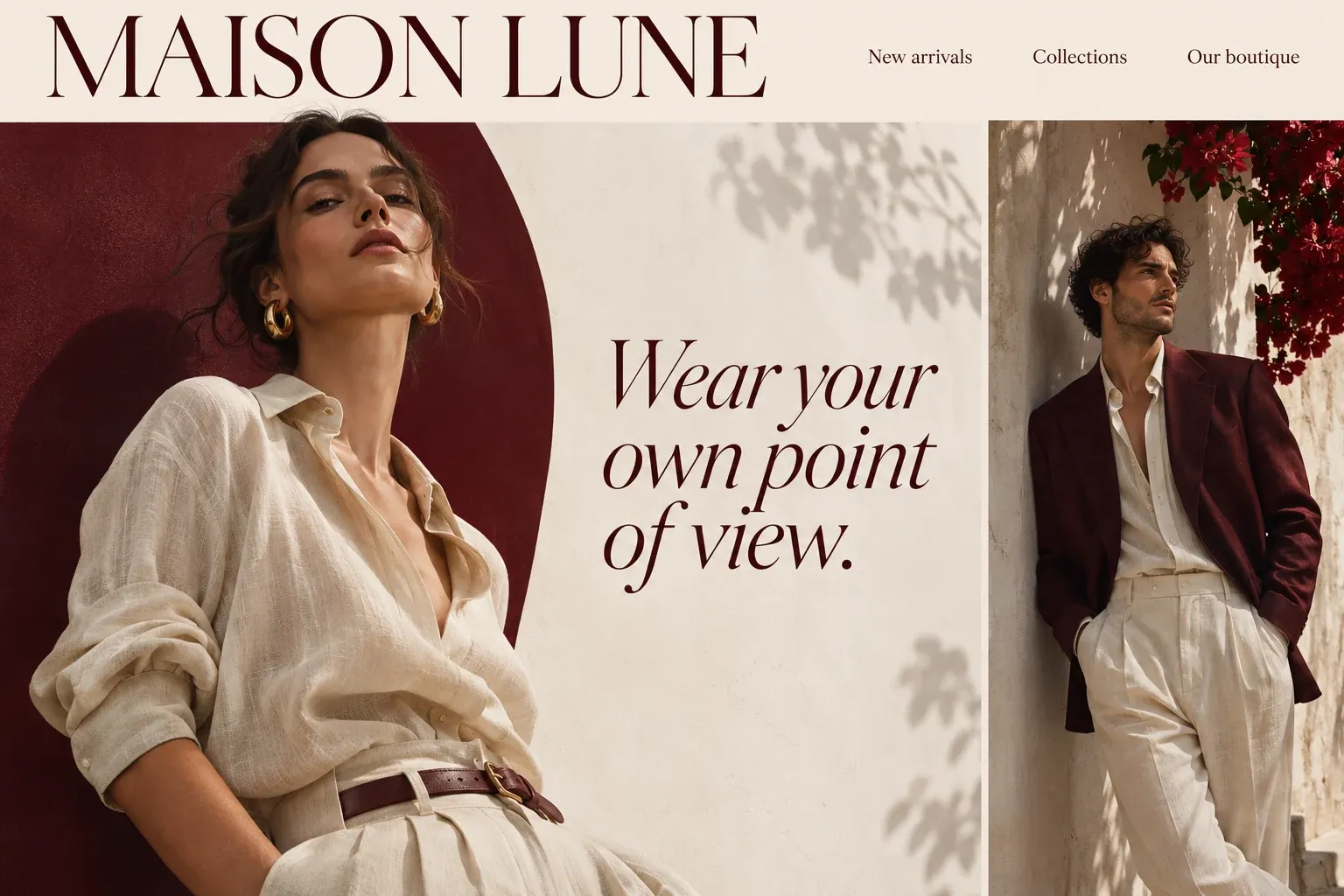
Boutiques win on curation, so the site should feel curated. Group pieces by collection, occasion, or season, and keep new arrivals at the top. A lookbook of styled outfits, shot in good light in or near your shop, shows how pieces work together. Fewer, better photos beat a long grid of flat product shots, and regular updates give your loyal shoppers a reason to return between visits. Note fabrics, sizes available, and how each piece fits, because those are the questions your staff hear most at the counter.
Tell the boutique's story
Shoppers like knowing who chose the clothes. A short story page about the owner, the shop's point of view, and the designers or local makers you carry builds a personal connection. Real photos of you, your team, and the shop interior help. Avoid claims about being the best or the first in town; a clear, confident voice is more convincing than any superlative. If you host trunk shows, designer visits, or styling evenings, give them a place on the story page too.
Decide how people buy
Some boutiques sell online, others prefer people to visit. Both work. If you sell online, we build the store on Shopify, so stock, payments, and shipping stay in one tool you can manage. If you prefer visits, a hold request or message form lets shoppers ask about sizes and reserve a piece for a day.
Either way, publish your policies plainly: holds, returns, exchanges, and gift cards. Say whether you offer alterations, personal styling appointments, or private shopping evenings, and give each a short request form. Friendly policies written in the shop's own voice prevent awkward conversations at the counter and make first-time shoppers comfortable trying something new.
Help nearby shoppers discover you
Boutique searches often include a neighborhood or a style, such as a linen dress boutique in a particular area. Mention your neighborhood, nearby landmarks, and the styles you are known for. Keep your details consistent with your Google Business Profile, post your events there, and ask happy customers for reviews. This gives a boutique a fair chance to be found beyond its foot traffic.