Web design for surf, kite and paddleboard schools

Website design for surf, kite and paddleboard schools.

Lessons on the water depend on wind, waves, and tides, and beginners arrive with a dozen worries. The school whose site explains the day plainly, from what to wear to what happens if the wind drops, fills its calendar.

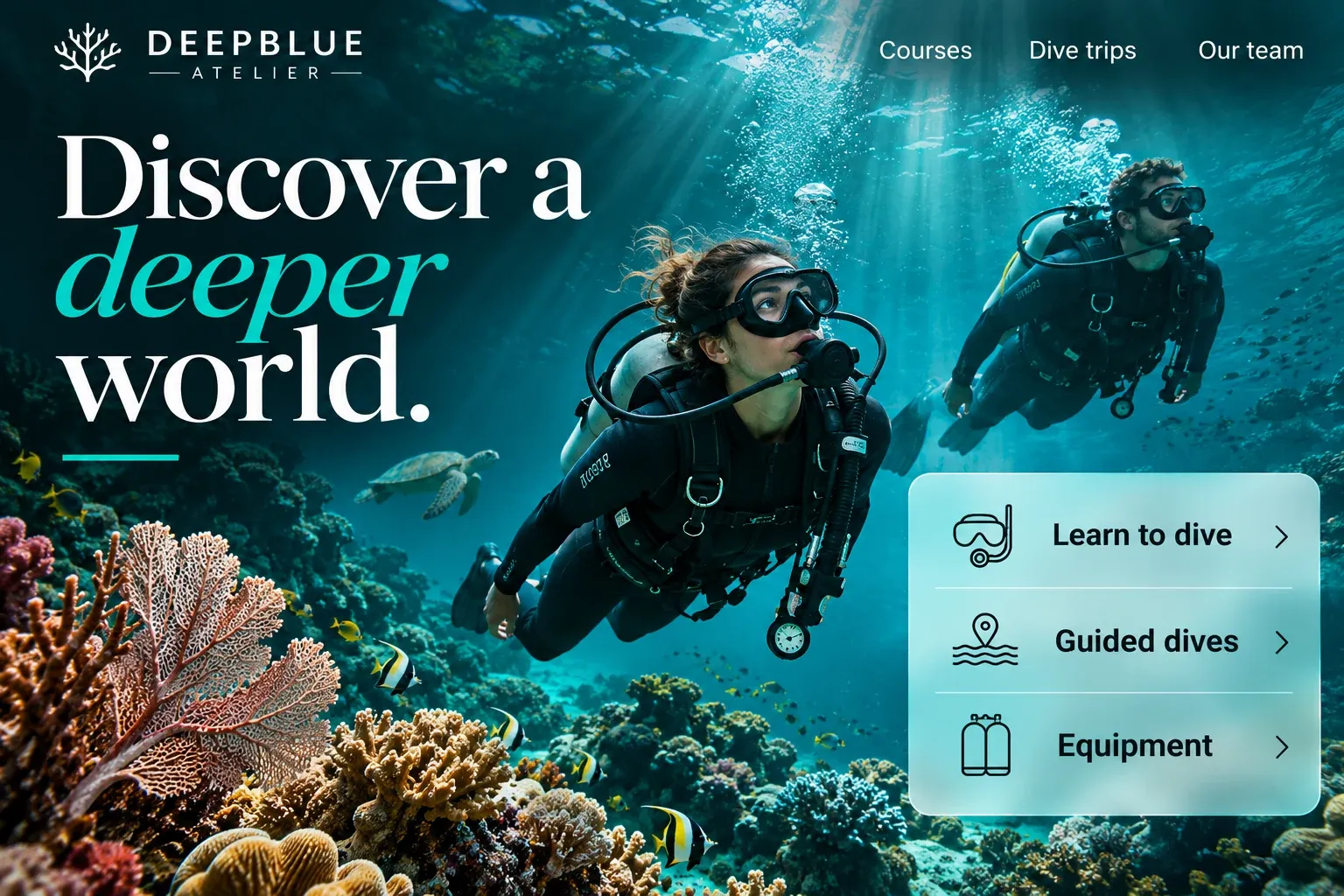
Website design concept for surf, kite and paddleboard schools, an illustration
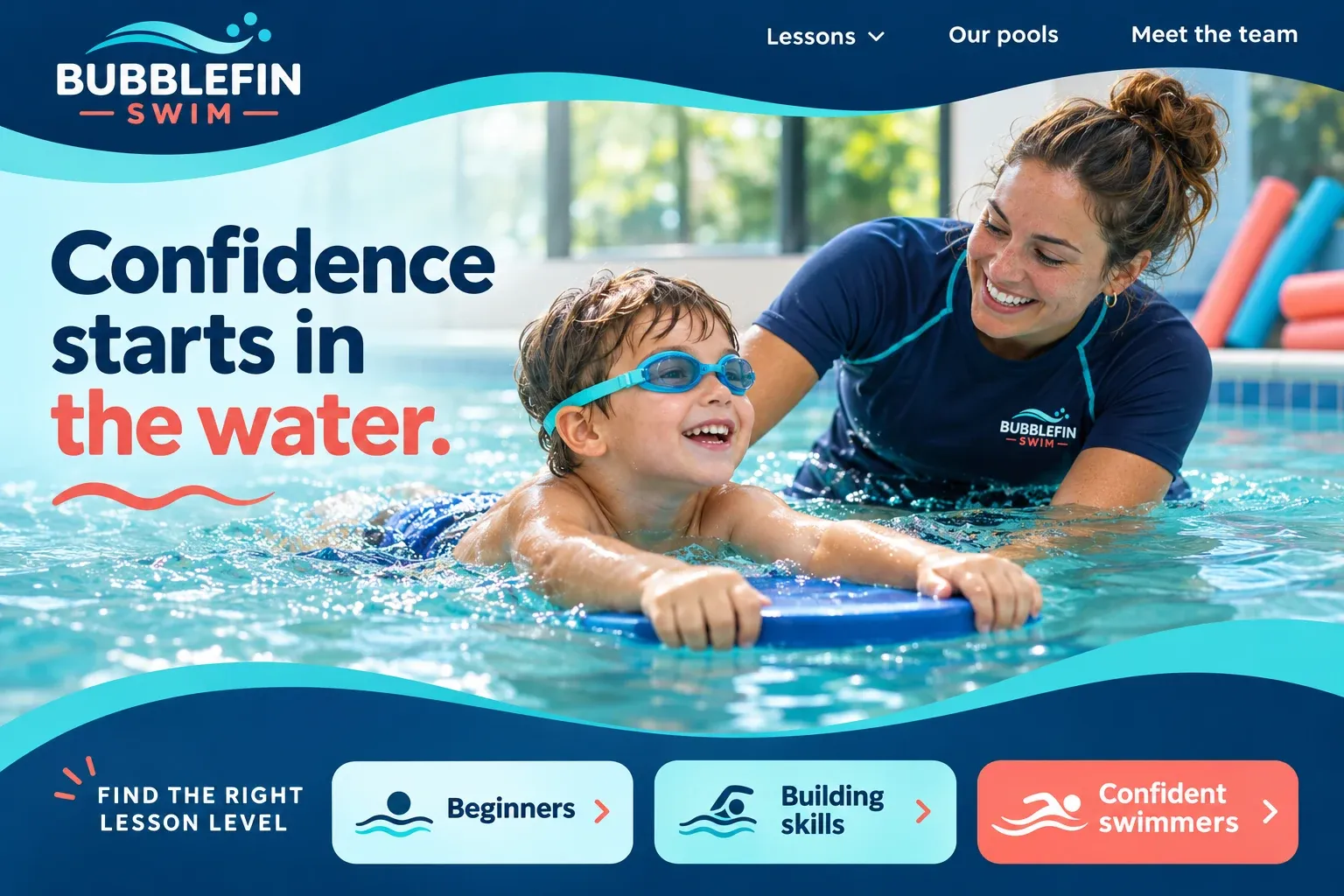
Illustration only: the design, business name and logo are made up to show the kind of website we can build. Not a real business or client website. Yours is designed from scratch around your brand.

Your customer's story

A vacation lesson booked from the hotel balcony

Priya and her teenage son land in Miami for a long weekend, and he has one request: he wants to try kiteboarding. On the hotel balcony that evening she searches for kite lessons and paddleboard sessions nearby, with no idea what a first lesson involves, whether a fifteen-year-old can join, or what happens if the forecast turns calm.

The first school she finds has a video of someone jumping high above the waves and a phone number that goes to voicemail. The second lists lesson times but no ages, no meeting point, and nothing about wind. The third explains that kite lessons start on the sand with a small trainer kite, lists the minimum age, shows a map of where to park, and says a calm day is moved or switched to paddleboarding.

She books a paddleboard lesson for the morning and a kite introduction for the afternoon, when the sea breeze usually fills in. What won her over was not the action footage. It was a page that treated her as a careful parent with real questions. A water sports school's website should do that: explain the day, the safety, the weather plan, and the gear before anyone has to ask.

Why it matters

Why surf, kite and paddleboard schools need a website.

People choose a lesson on the water with a mix of excitement and nerves. Many are visitors with only a few days, searching from a phone the night before, and they compare schools on safety, ages, location, and what happens when the weather will not cooperate. An Instagram feed shows great riding but rarely answers those questions, and a booking marketplace lists you beside a dozen others with the same thin description.

We build lesson school websites that answer the nervous questions first. Each discipline gets its own page, surfing, kiteboarding, wing foiling, and paddleboarding, with ages, what a first lesson covers, and the gear provided. Instructor profiles show who will be in the water with your students. A weather and rescheduling page sets clear expectations, and your booking tool or a short lesson request form sits one tap away.

What your customers search for

  • kitesurfing lessons Miami
  • paddleboard lessons near me
  • surf lessons for beginners
  • kiteboarding school Key Biscayne
  • wing foil lessons
  • kids surf camp Miami

Your customers

What beginners ask before booking a lesson on the water

  • Is this safe for a complete beginner?

    A page on how a first lesson works step by step, the safety gear provided, and each instructor's certifications, written in plain words for nervous first-timers.

  • How old do you have to be?

    Minimum ages, swimming ability, and fitness notes for each discipline, so parents can check before they book a lesson for the whole family.

  • What happens if there is no wind?

    Your weather policy in plain terms: how you decide on the day, when you contact students, and whether a lesson is moved or switched to another sport.

  • Where do we meet and what do we bring?

    A location guide with a map pin, parking, the meeting spot on the beach, and a short list of what to wear and bring.

What we build

What a website for surf, kite and paddleboard schools should include.

  • Discipline pages

    Surf, kite, wing foil, and paddleboard lessons, each with ages, skill levels, what the first session covers, and the gear included.

  • Instructor profiles

    Photos, certifications, languages spoken, and the disciplines each instructor teaches, so students know who will be beside them.

  • Wind and weather policy

    How lessons are confirmed, moved, or switched when conditions change, stated plainly before anyone books a session.

  • Launch spot guide

    Maps for each launch spot, with parking, restrooms, the meeting point, and which spots suit which conditions.

  • Lesson booking or request

    Your booking tool linked or embedded, or a short form for group size, ages, discipline, and preferred dates.

  • Group and camp pages

    Separate pages for private lessons, family groups, kids camps, and team outings, each with its own request route.

Planning guide

What should a surf or kite school website include?

A lesson school's website has to sell a feeling and calm a worry at the same time. Visitors want to picture themselves riding, but they book when they know it is safe, suitable for their age, and well organized. Here is how we plan the pages, what to show, and how the site helps a water sports school get found.

Give each discipline its own page

Surfing, kiteboarding, wing foiling, and paddleboarding attract different people with different questions. A kite beginner wants to know about wind and the trainer kite; a paddleboarder wants calm water and a sunrise session. One page per discipline can explain skill levels, ages, what a first lesson covers, and the gear provided. Add pages for private lessons, groups, and camps if you run them, so each search lands on a clear answer instead of a general list.

Show your instructors and your safety habits

Students hand their safety to your team, so introduce the team. Photos, certifications, languages spoken, and a sentence about each instructor's background help a parent or a nervous adult decide. Show the safety gear you use, such as helmets, impact vests, and radio helmets for kite students, and explain your safety briefing. Use real photos of your students and your spots, with permission, rather than stock images of faraway oceans.

Make booking easy and the weather plan clear

Visitors often book the night before, on a phone. Link or embed the booking tool you already use, or offer a short request form asking for discipline, number of people, ages, and preferred dates. Keep a tap-to-call or message button on screen for people who want to talk first. Confirmation details should say exactly where to meet and what to bring.

Wind and waves decide everything, so publish your weather policy. Explain how and when you confirm a lesson, what happens on a calm or stormy day, and how rescheduling works. A clear policy reduces awkward conversations on the beach and shows students you take conditions seriously. If you post daily conditions on social media, link to them from this page.

Help travelers and locals find the school

Lesson searches mix locals and visitors, often with a city or beach in the query. Give each launch spot its own short guide with a map, keep your name, address, and phone consistent with your Google Business Profile, and ask happy students for reviews. Pages per discipline give search engines specific topics to match. A Spanish version helps with many local families and with visitors from Latin America.

In your market

Built for water sports schools in South Florida

South Florida's water sports calendar follows the wind. Winter cold fronts and steady trade winds bring kite and wing students, while calm summer mornings suit paddleboarding and the occasional small surf day. Lightning and afternoon storms cut sessions short, and some beaches restrict kiting near swim zones. Students include tourists, cruise passengers with a day in port, seasonal residents, and bilingual local families. We write pages around these seasons and spots, and can add a Spanish version of the site.

Questions

Questions surf, kite and paddleboard schools ask us.

How should our surf or kite school show the weather policy?

Give it its own short page and link it from every booking button. Explain how you check the forecast, when you confirm or move a lesson, and whether a calm day can switch to paddleboarding. Clear rules written ahead of time make rescheduling conversations easier for your team and your students.

Can students book kite and paddleboard lessons directly on the site?

Yes. If you already use a booking or scheduling app, we link to it or embed it on each discipline page. If you prefer to confirm each lesson by hand, a short request form sends the discipline, group size, ages, and dates straight to your email.

Should the site show waivers and age rules for lessons?

It should show your age and swimming requirements and say that a waiver is part of booking. If your booking app handles digital waivers, we link to it. You write and approve the wording of every policy, and we present it so parents can find it before they arrive.

What photos work best on a water sports school website?

Real ones from your own spots: students standing up for the first time, instructors on the beach, a trainer kite session, an early morning paddleboard group. Shots of advanced riders help, but beginners book when they see people like themselves. We only publish photos you have permission to use.

Let's talk

Ready for a website built for surf, kite and paddleboard schools?

Tell us about your business and we will come back with a clear recommendation and a fixed quote. No pressure, no jargon.

Trades we design for

See all 436 trades

436 trades

  • Plumbers website design concept
CallFree quote