Web design for window and door installers

Window and door websites built around how people live.

Replacing windows and doors is a big, slow decision with many choices: frame, glass, style, how it opens, and in South Florida, how it handles a storm. Homeowners want to understand all of it before anyone measures.

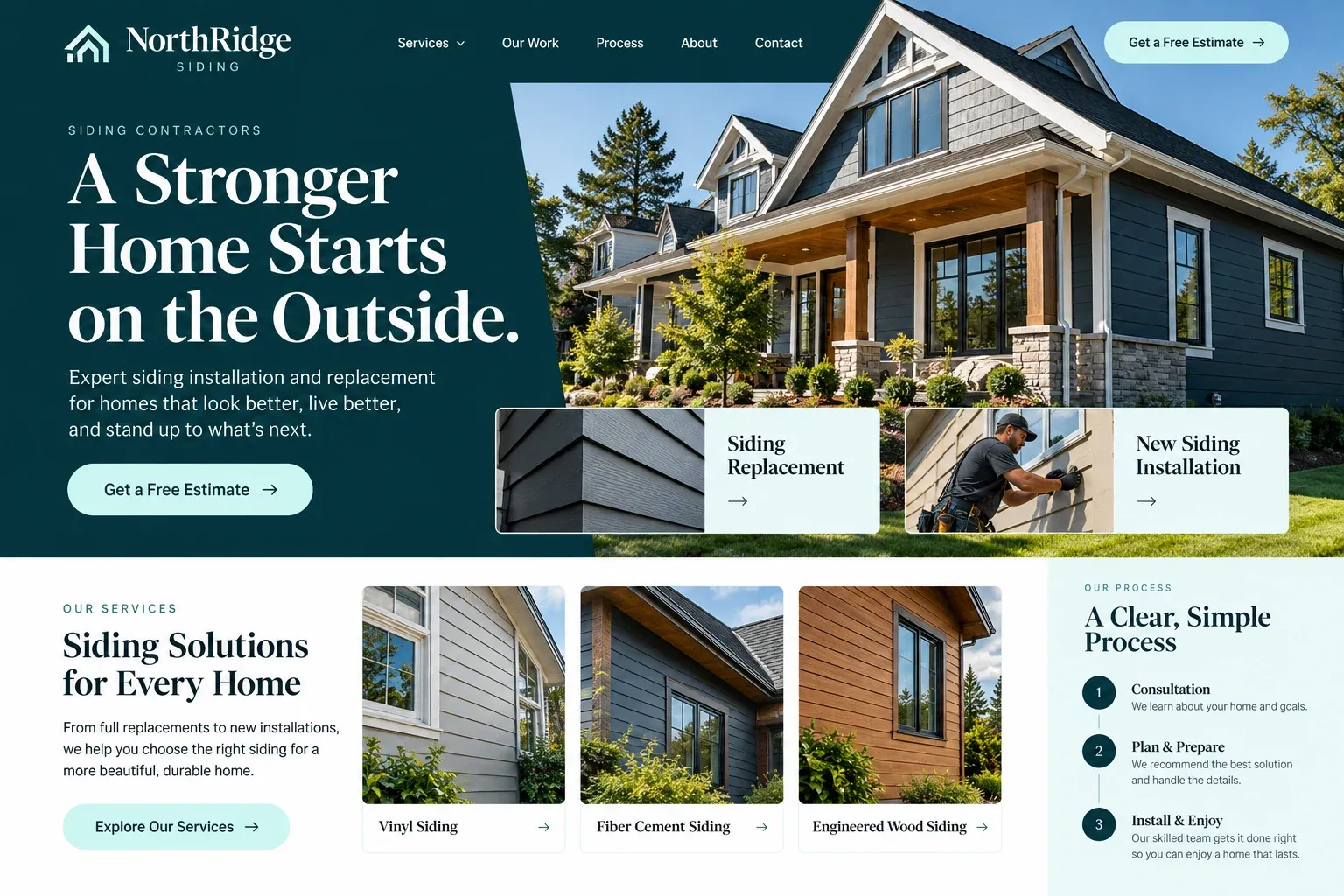
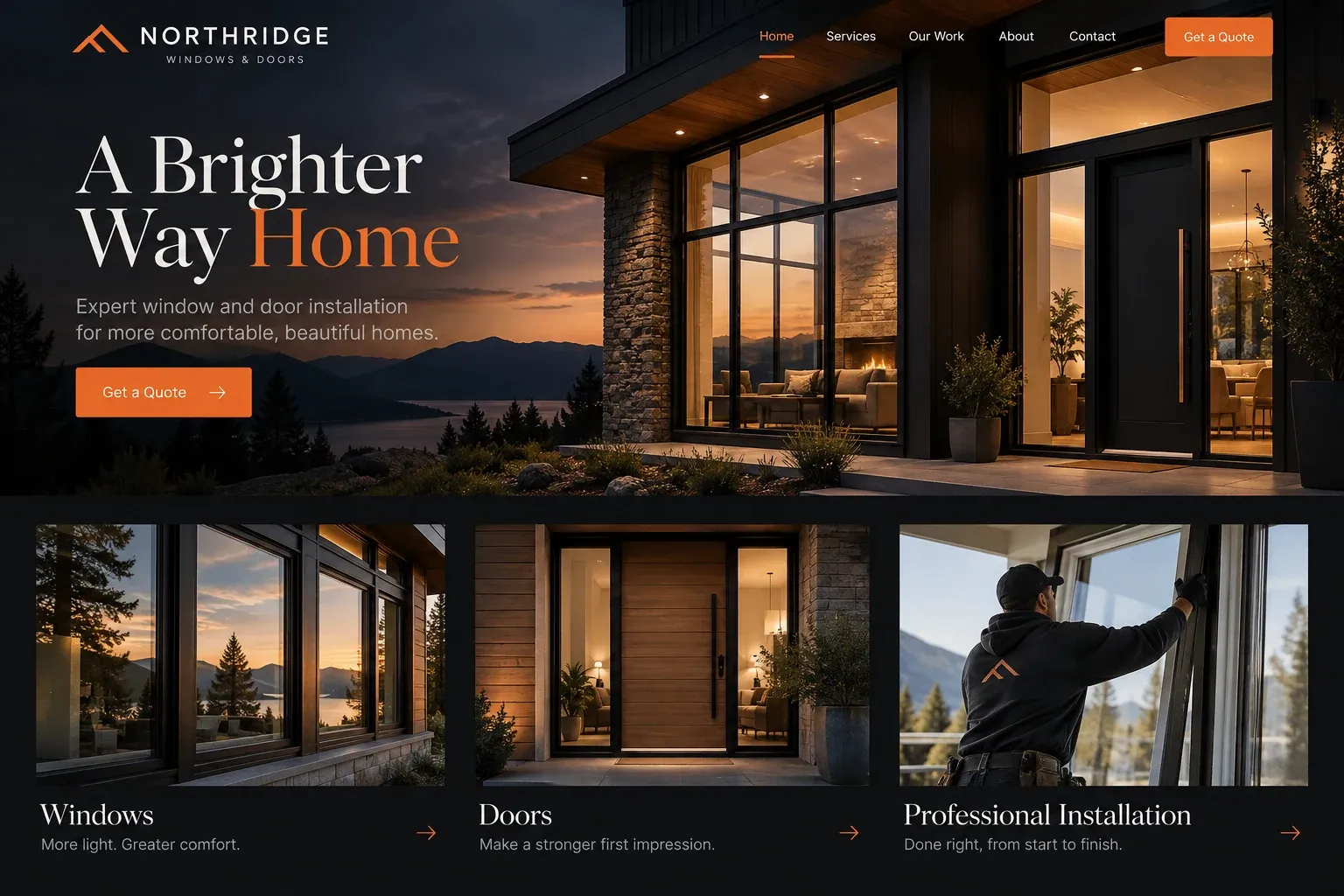
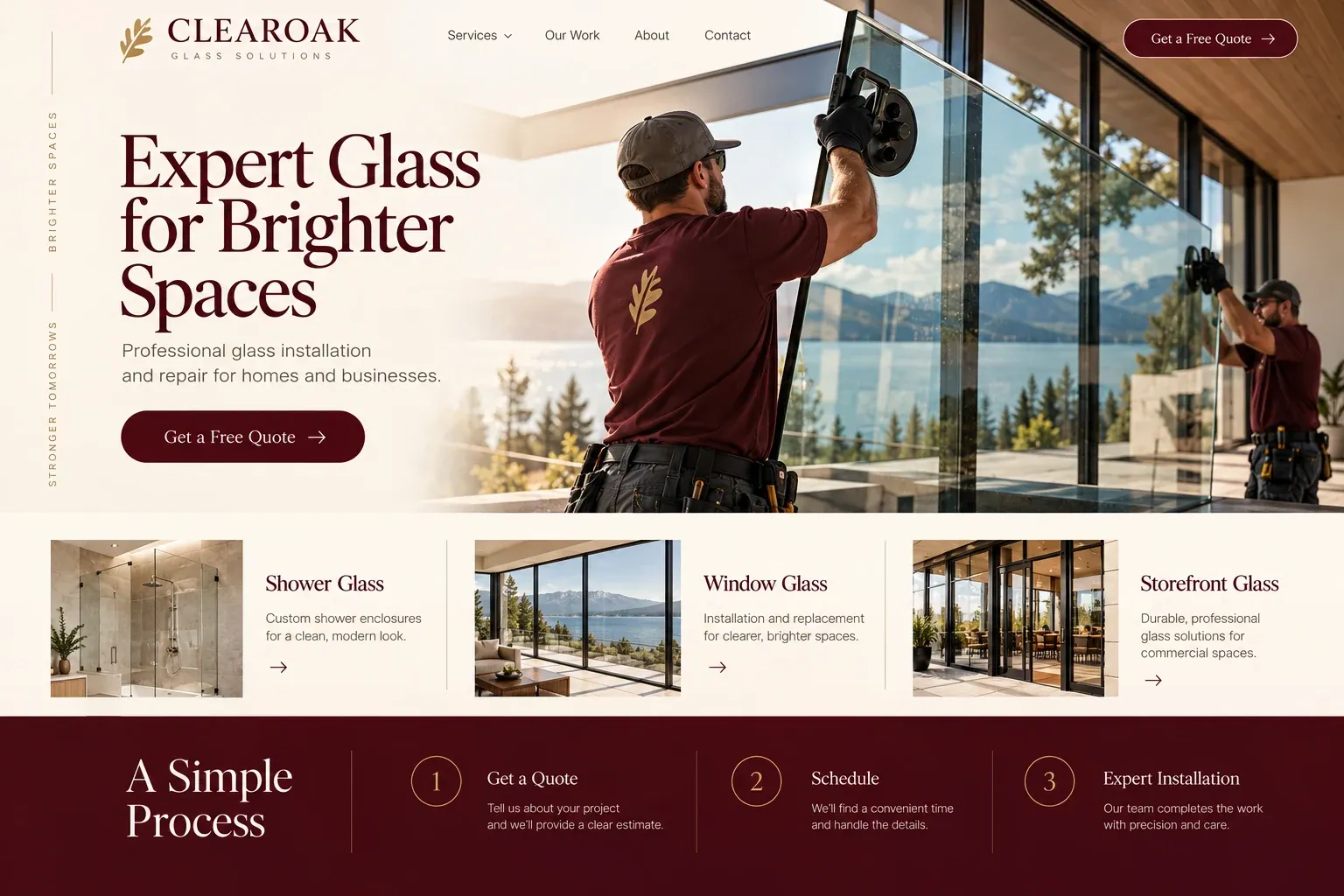
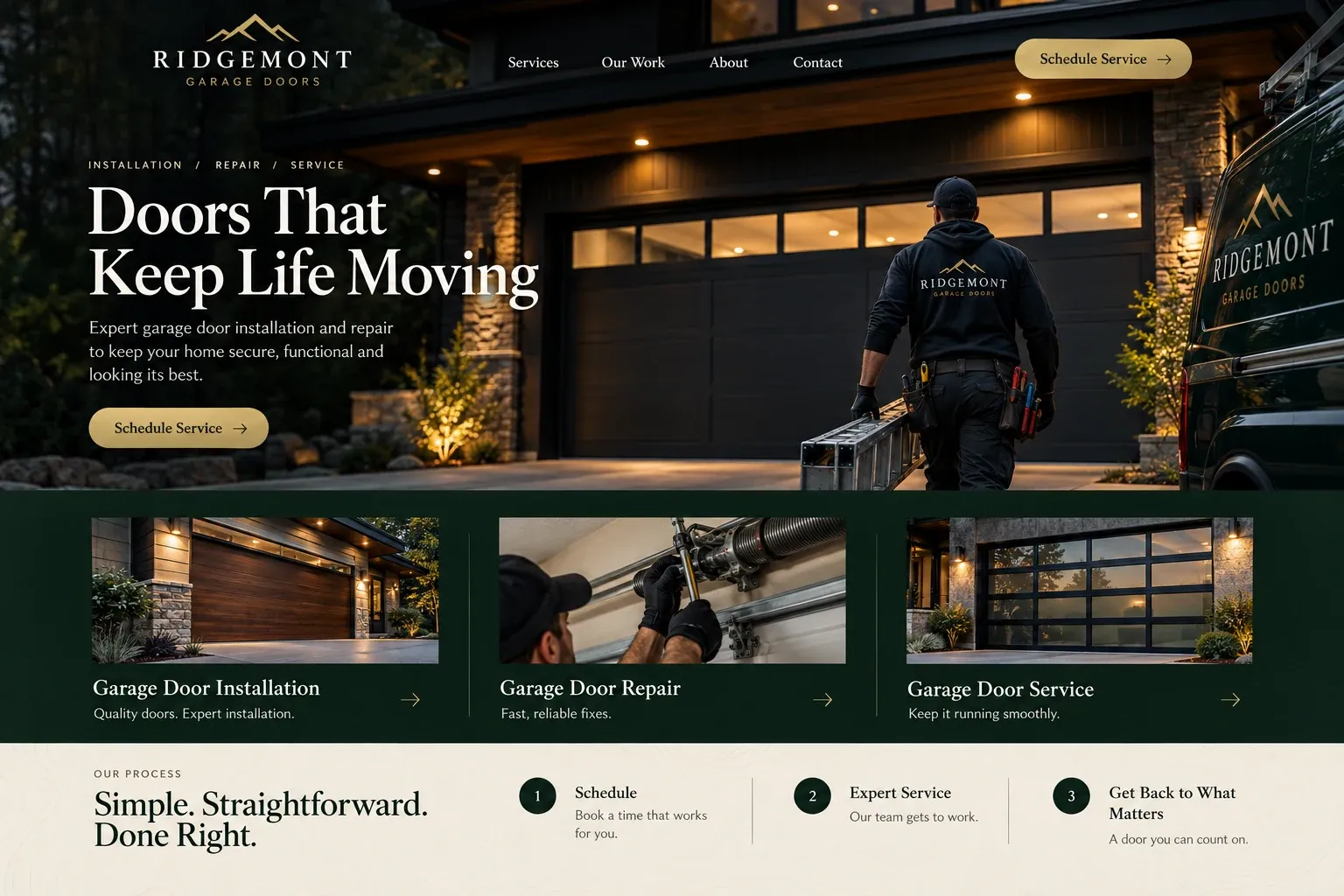
Fictional window and door installers website homepage design concept
A design concept for a fictional brand. Your site is designed from scratch around yours.

Your customer's story

No more storm panels in the garage

Whenever a storm heads toward South Florida, Lily drags the metal panels out of the garage and calls her nephew to help put them up. Her 1960s house still has the original aluminum windows, one painted shut, and a sliding glass door that takes two hands and a hip to open. This year she decides to replace all of it with impact windows and doors, and then realizes she does not know where to begin.

Her searches turn up pages of brand names and phrases she does not understand. Some installers show only close-ups of a single window. One local company organizes its site by room and purpose: bedroom windows that open fully, picture windows for a view, sliding and French doors to the patio. Each installed example shows the whole wall, inside and out, and a page explains what happens to the stucco around the old frame.

That site's request form asks how many windows and doors she wants replaced, which matter most, and whether she cares more about light, noise, or ease of opening. Lily walks room to room counting openings and sends it. A window and door website should guide people the same way: from how they live in each room to the right product, with installation explained before the survey.

Why it matters

Why window and door installers need a website.

Window and door replacement is researched for weeks. Homeowners compare frame materials, glass options, styles, and installers, and in hurricane country they also ask about impact ratings, permits, and what their insurer may want to see. A manufacturer's site explains products but not your installation, and a directory listing explains nothing at all. Your own website is where the product, the crew, and the process come together in one place.

We build window and door websites organized by how each product is used, not by catalog codes. Pages cover impact windows, sliding and French doors, entry doors, and specialty shapes, each with installed examples shown in context. A measurement-to-installation guide explains the steps, from survey and permits to removal, fitting, and finishing. The request form captures the number of openings and the homeowner's priorities before you visit.

What your customers search for

  • impact windows near me
  • impact window installation Miami
  • sliding glass door replacement
  • front door replacement
  • French door installation
  • hurricane impact doors Miami

Your customers

What homeowners ask before replacing windows and doors

  • Which style suits each room?

    Product pages grouped by use, such as bedrooms, views, patios, and front entries, with photos of each style installed in real homes.

  • What happens to the old frames and walls?

    A clear account of removal, how the opening is prepared, and how stucco, drywall, and trim are finished afterward, with photos at each stage.

  • Who handles permits and approvals?

    A plain statement of what you handle, such as permits and product approval paperwork, and what the homeowner or association needs to provide.

  • How long from order to installation?

    An honest note on ordering and manufacturing lead times, what can change them, and how you keep customers informed while their order is in production.

What we build

What a website for window and door installers should include.

  • Window and door categories

    Impact windows, sliding glass doors, French doors, entry doors, and specialty shapes, each on its own page with plain explanations.

  • Installed examples in context

    Photos of whole walls and rooms, inside and out, so homeowners see how a product changes the look of a house.

  • Measure-to-install guide

    Survey, permits, ordering, removal, fitting, and finishing laid out in order, with what the homeowner does at each step.

  • Opening-count inquiry

    Customers list the number of windows and doors, which rooms matter most, and their priorities, from light to security to quiet.

  • Glass and frame options

    Frame materials, tints, and glass types explained in everyday words, written from your notes and limited to products you actually install.

  • Financing and brand links

    Links to the financing programs and manufacturers you work with, so customers can review warranties and apply on their own time.

Planning guide

How should window and door installers plan their website?

A window and door website has to do two jobs at once: help homeowners choose among many products, and convince them your crew will install those products well. These notes cover which pages to build, what to show, how to collect a useful first request, and how the site supports local search for a business that works house by house.

Organize products by how they are used

Catalogs list products by series and code. Homeowners think in rooms and needs: a bedroom window that opens wide, a picture window for the view, a patio door that slides easily, a front door that feels solid. Group your pages that way, then explain frame and glass options within each. Add pages for impact products, entry doors, and replacement versus new construction work, plus about, financing, and contact pages.

Show the whole wall, not just the window

Product close-ups come from the manufacturer. What only you can show is the installation: the opening before, the new unit set and sealed, the finished wall with trim and stucco repaired, the room filled with light. Photograph from inside and outside, and include wide shots that show how new windows change the face of a house. Caption with the product type and the rooms, and use only your own jobs.

Walk customers from survey to final trim

Replacement involves steps homeowners rarely picture: the measuring survey, permits and approvals, ordering and production, removal of the old units, installation, inspection, and finishing. A guide page that lays these out in order, with what the homeowner does at each stage, answers the questions that otherwise fill your phone. Be honest about lead times and what can delay them, without promising dates you cannot control.

The request form should prepare the survey. Ask how many windows and doors, which rooms, whether the home is a house or a condo, and what matters most: storm protection, light, noise, security, or looks. Let people attach photos. Keep a tap-to-call number visible too, because many homeowners want to talk before they let anyone measure.

Help local homeowners find the right installer

Searches here are specific: "impact windows near me", "sliding glass door replacement", "French door installation", often with a city. Pages for each product and service give search engines precise matches, and a service-area page lists where you install. Keep your Google Business Profile accurate, post finished jobs there, and ask customers for reviews that mention the product and the crew. No one can promise a ranking, but these steps give a solid installer a fair chance.
In your market

Built for window and door work in South Florida

South Florida is hurricane country, and impact windows and doors have become a common upgrade, replacing the shutters many homeowners are tired of putting up. Customers ask about product approvals, permits, condo association rules, and paperwork their insurer may request. Older block homes need stucco repair around each replaced opening, and salt air near the coast is hard on frames and hardware. We write pages for these questions and can offer the site in Spanish.

Questions

Questions window and door installers ask us.

How should a window and door website explain impact products?

In plain words, focused on what homeowners ask: how impact glass differs from regular glass, what product approvals mean in general, and what paperwork you provide. We keep claims general and accurate, link to manufacturer details where useful, and you approve every line before launch.

Can customers tell us how many windows they need through the site?

Yes. The request form asks for the number of windows and doors, the rooms, the type of home, and the customer's priorities, and it accepts photos. It reaches your email ready for a call, so your survey visit starts with a clear picture of the job.

Should our window site show the brands we install?

Yes, where you are authorized to use their names. Brand names help customers who have already done some research, and links to the manufacturers let them read warranty details themselves. Keep the focus on your installation work, since that is what customers cannot get from the brand.

Do condo owners need different window and door information from house owners?

Often, yes. Condo owners deal with association approvals, building rules on work hours and elevators, and sometimes required product styles. A short page for condo window and door replacement, explaining how you work within those rules, speaks directly to them and to the managers who approve the work.

Let's talk

Ready for a website built for window and door installers?

Tell us about your business and we will come back with a clear recommendation and a fixed quote. No pressure, no jargon.

Trades we design for

See all 226 trades

226 trades

  • Plumbers website design concept
CallFree quote