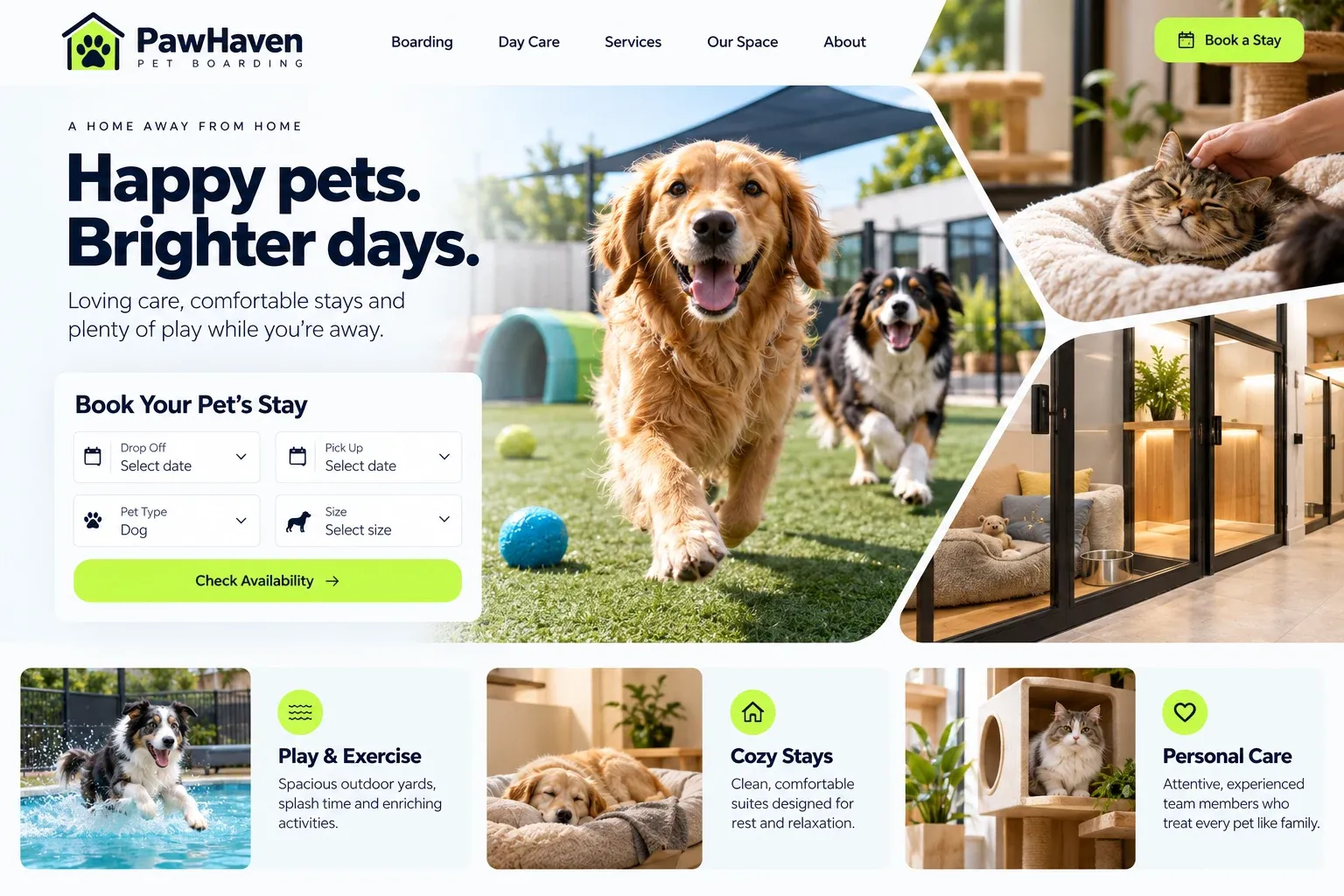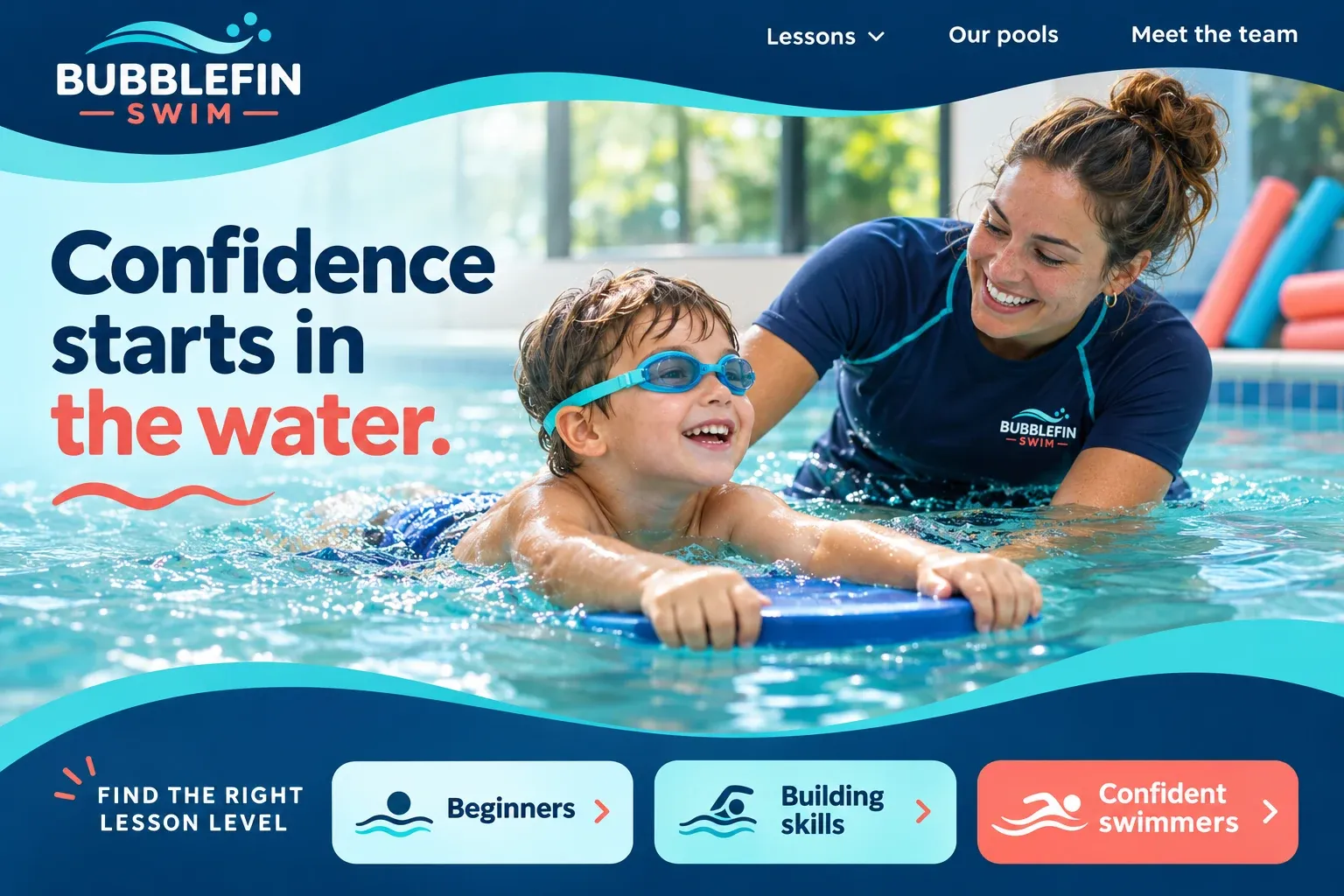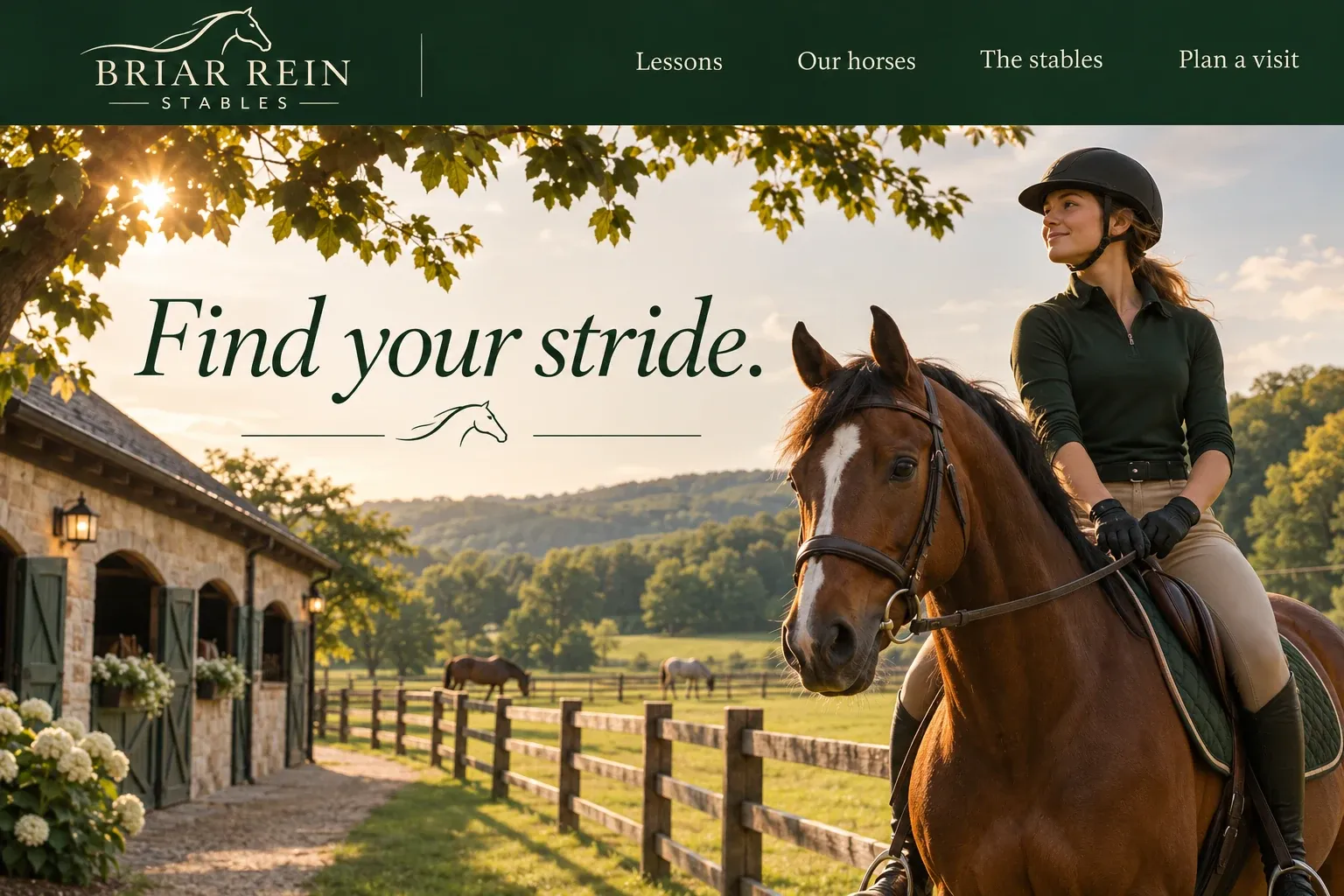
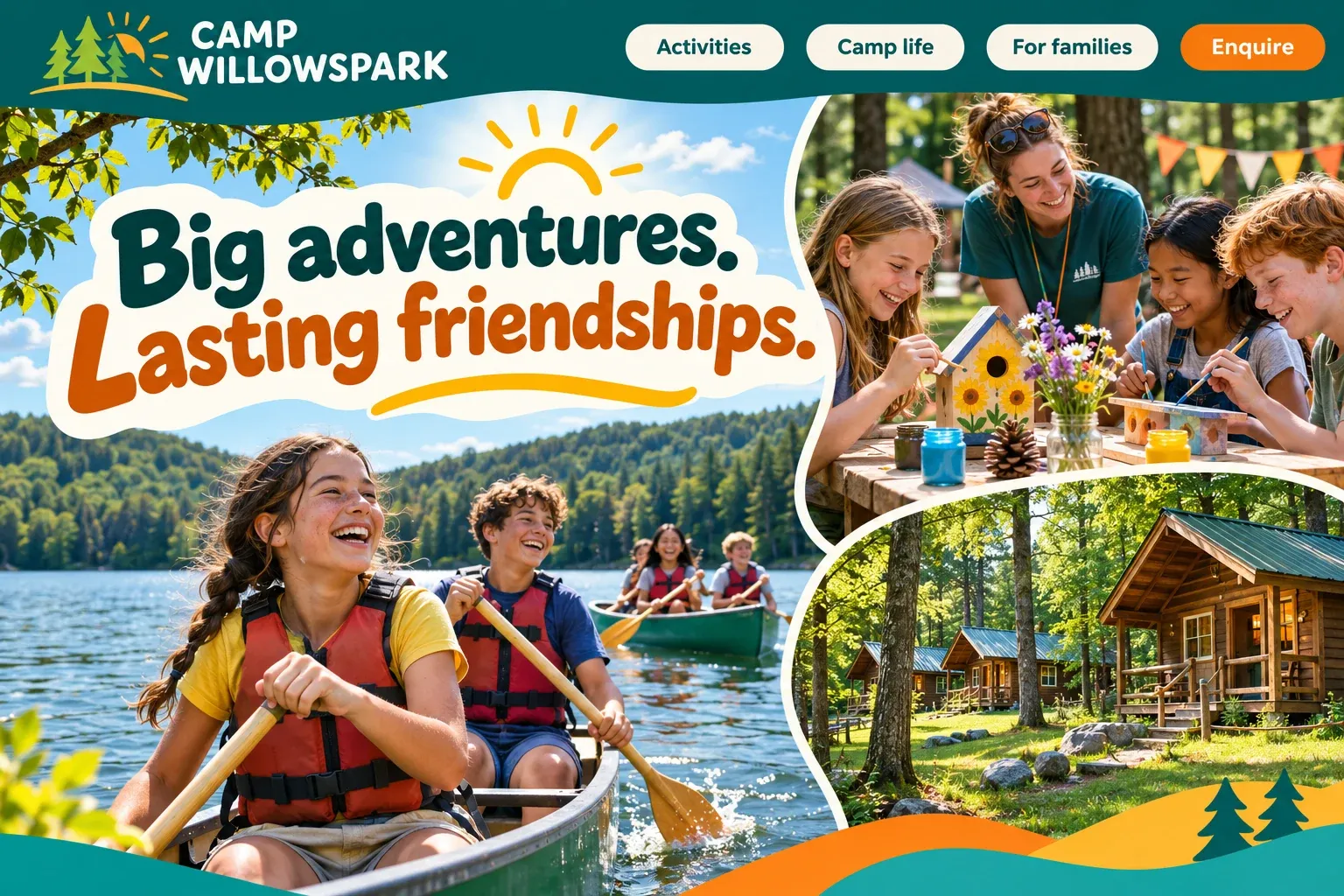
Web design for horse riding stables

Website design for horse riding stables.

Riders and parents choose a stable by how it feels and how the horses are kept. They want to see the barn and arenas, meet the instructors, and know which lesson fits a beginner or a returning rider.

Website design concept for horse riding stables, an illustration
Illustration only: the design, business name and logo are made up to show the kind of website we can build. Not a real business or client website. Yours is designed from scratch around your brand.

Your customer's story

Her daughter has asked for years

Isabella's daughter has wanted riding lessons since she was six, and for her ninth birthday Isabella finally says yes. She knows nothing about horses except that they are large and that her daughter adores them. One evening she searches for riding lessons for kids and starts comparing stables on the western edge of the county, a little nervous about the whole idea.

One stable's website is a single page with an old photo and a phone number. Another talks only about show results. The stable she chooses explains lesson levels for complete beginners, introduces its school horses and instructors, shows the arenas and the covered area, lists what to wear and the helmet rule, and describes how the horses are fed, turned out, and cared for.

She asks about an introductory lesson that night, and the barn manager calls back with a Saturday morning slot. What reassured her was not glamour. It was a site that showed calm horses, careful people, and clear safety rules. A riding stable's website should help a nervous parent or a new adult rider picture the first lesson before they arrive.

Why it matters

Why horse riding stables need a website.

Riding is a long relationship, and families choose a stable carefully. Beginners want patient instructors and quiet school horses, experienced riders compare arenas, boarding, and training, and parents look for safety rules and supervision. Many find stables through friends or social media, then search to learn more. A social page shows pretty horses, but it cannot explain lesson levels, boarding options, horse care, and what a first visit involves.

We build riding stable websites around lessons and horse care. Each lesson level and program, from first rides to jumping or dressage, gets a clear description. A horse care page shows how the horses live, and a stable gallery covers barns, arenas, and trails. Boarding, camps, and parties get their own pages, and a lesson inquiry form or your booking tool makes the first visit easy to arrange.

What your customers search for

  • horseback riding lessons near me
  • riding lessons for kids
  • horse boarding in Miami
  • horse camp for kids
  • pony party near me
  • dressage lessons

Your customers

What riders and parents ask before choosing a stable

  • Is it right for a complete beginner?

    Lesson levels explained from first rides upward, with the age you start, what students learn first, and how riders progress to the next level.

  • How do you keep riders safe?

    Helmet and boot rules, how lessons are supervised, how horses are matched to riders, and what parents should expect during a first lesson.

  • How are the horses cared for?

    A page on feeding, turnout, farrier and veterinary routines, and workloads, written by you, so riders know the horses are well kept.

  • Do you board horses?

    Boarding options described clearly, with stall and pasture details, what is included, arena access, and how to arrange a visit.

What we build

What a website for horse riding stables should include.

  • Lesson level guide

    Beginner, intermediate, and advanced lessons, private or group, with ages, goals, and the disciplines you teach.

  • Horse care approach

    Feeding, turnout, hoof and health routines, and rest days explained plainly, approved by your barn manager.

  • Stable gallery

    Barns, stalls, arenas, trails, and school horses photographed in good light, so visitors can picture each visit.

  • Boarding information

    Board options, facilities, arena hours, and barn rules for owners comparing places to keep their horse.

  • Camps and parties

    Summer and holiday horse camps and pony parties, each with ages, activities, and safety rules.

  • Lesson inquiry form

    The rider's age, experience, preferred days, and goals, sent straight to your inbox for a callback.

Planning guide

What should a horse riding stable website include?

A riding stable website should feel like the barn on a good morning: calm, organized, and welcoming. It needs to show the horses and the people, explain lessons for every level, and make the first visit simple to arrange. Here is how we plan a stable site, what to show, and how riders nearby find it.

Separate lessons, boarding, and events

A stable usually serves several audiences: beginners and their parents, experienced riders, horse owners looking for boarding, and families planning camps or parties. Give each its own page. Lesson pages explain levels, disciplines, and what to wear. Boarding pages describe stalls, turnout, and arena access. Add pages for horse care, instructors, the facility, and contact, and the site covers most questions before anyone picks up the phone.

Show the horses and how they live

Riders and parents care deeply about the animals. Introduce your school horses with names, photos, and temperament, and show the barn, paddocks, and arenas in good light. A horse care page describing feeding, turnout, farrier and vet routines, and rest days builds trust that no slogan can. Show only what is true of your barn, and let the barn manager approve every detail.

Make the first lesson easy to book

Many stables start new riders with an introductory or evaluation lesson. Explain what happens, what to wear, the helmet and boot rules, and how long it lasts, then offer a short inquiry form asking for the rider's age, experience, and preferred days. If you schedule online, link your booking tool. Put cancellation and weather policies on the same page.

Safety deserves its own clear section. Describe how instructors supervise lessons, how horses are matched to riders, and what visitors should and should not do around the barn. Parents read this carefully before saying yes, and clear rules on the website also help set expectations for guests at camps and parties.

Help riders in the area find you

People search by need and place: horseback riding lessons near me, pony rides for kids, horse boarding in Miami, horse camp. Give each a page with those words and mention the areas riders travel from. A clear map and directions matter, because many stables sit on rural roads that are easy to miss. Keep your Google Business Profile current with photos of horses and arenas, and invite riders and boarders to leave honest reviews.
In your market

Built for riding stables in South Florida

Riding here happens in heat and humidity, with afternoon storms much of the year, so riders look for covered arenas, shaded paddocks, and clear lightning and heat rules. Many stables sit in western areas such as the Redland, Southwest Ranches, and Davie, a drive from the city. Hurricane season brings evacuation planning for boarded horses. We can add a Spanish version of the site and explain directions, weather policies, and storm plans clearly.

Questions

Questions horse riding stables ask us.

What should our riding stable website say about safety?

What you actually do: helmet and boot rules, how lessons are supervised, how horses are matched to riders, and rules for visitors around the barn. We write it plainly with you, avoid promises that riding is risk-free, and you approve every line before it goes live.

Should we introduce our school horses on the stable website?

Yes, families love it. A short profile for each lesson horse, with a photo, name, and temperament, helps nervous riders feel connected before their first lesson. We update the profiles when horses retire or join the barn, and you approve each one.

Can riders book lessons online through our stable site?

If you use a scheduling or booking tool, we link it from every lesson page. If you prefer to place riders yourself, an inquiry form sends the rider's age, experience, and goals to your inbox, so you can recommend the right first lesson.

How should our stable website handle boarding inquiries?

With its own page describing board options, stalls, turnout, arena access, and barn rules, plus a form for owners to ask about availability and arrange a visit. Boarders compare carefully, so photos of stalls and paddocks and a clear list of what is included matter.

Let's talk

Ready for a website built for horse riding stables?

Tell us about your business and we will come back with a clear recommendation and a fixed quote. No pressure, no jargon.

Trades we design for

See all 436 trades

436 trades

  • Plumbers website design concept
CallFree quote