Web design for mortgage brokers

Websites that make the first mortgage call easier.

Home buyers meet a wall of terms before they meet a lender: pre-approval, points, escrow, debt-to-income. The broker whose website explains its role calmly, without promising approval, is the one they trust with the next step.

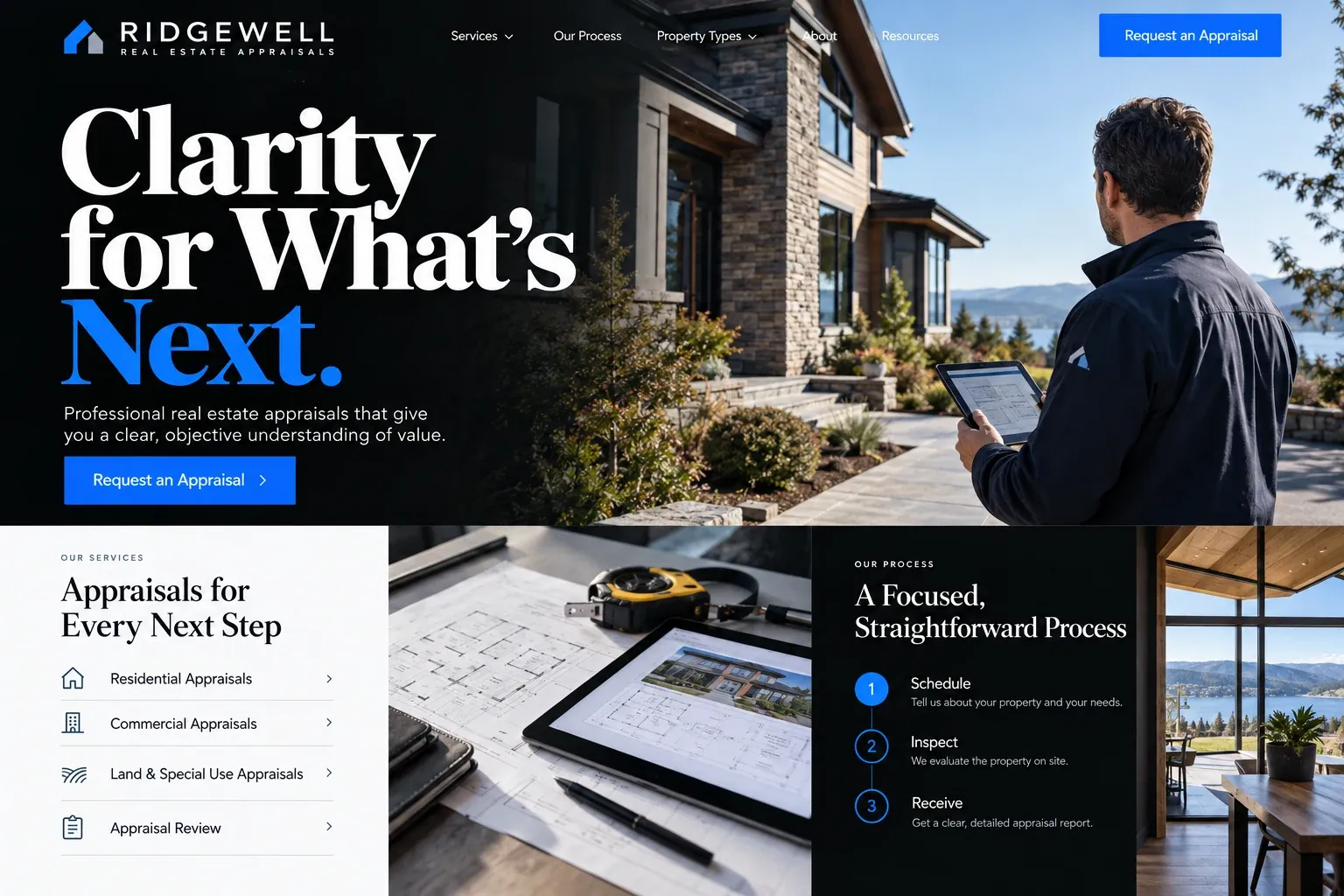
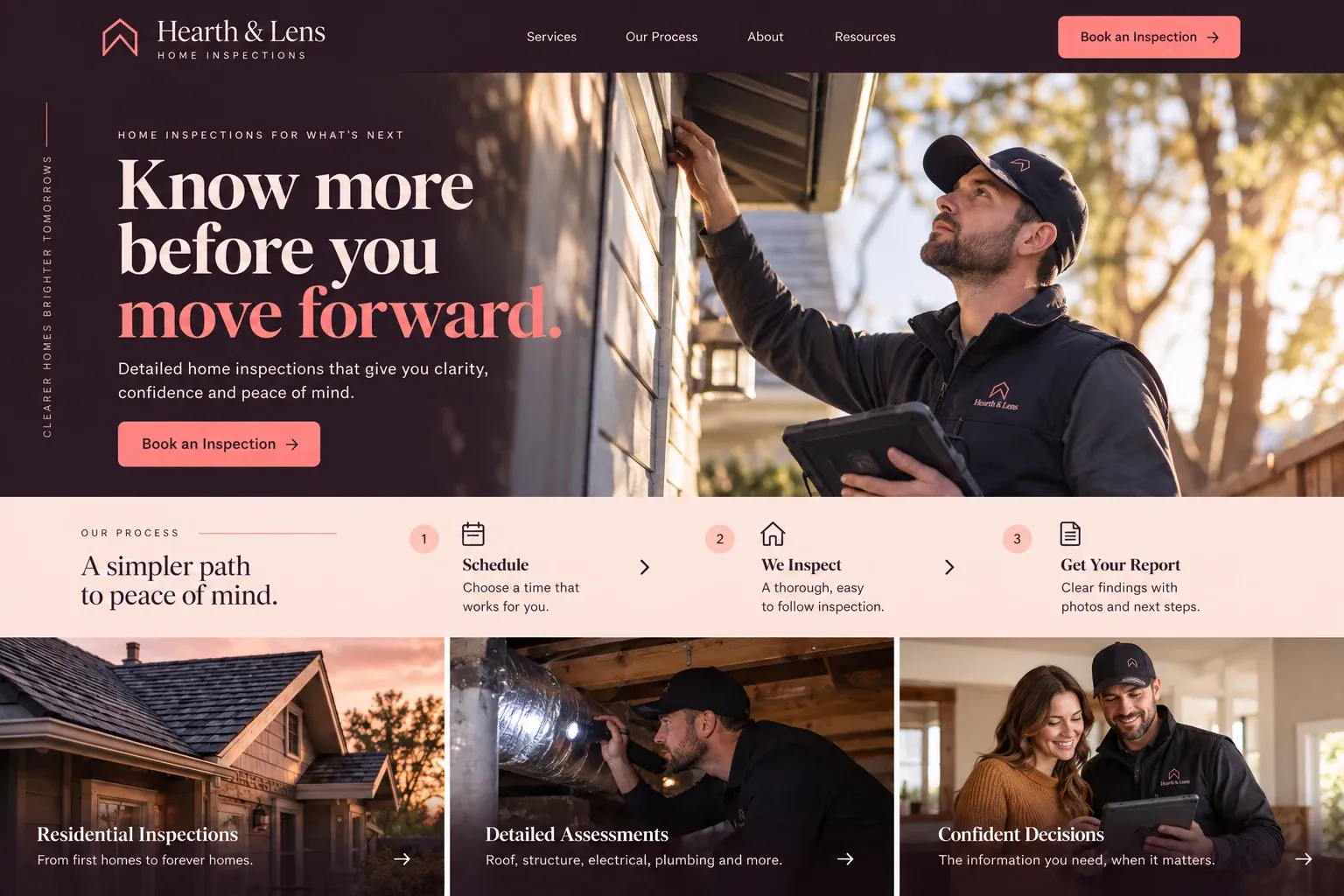
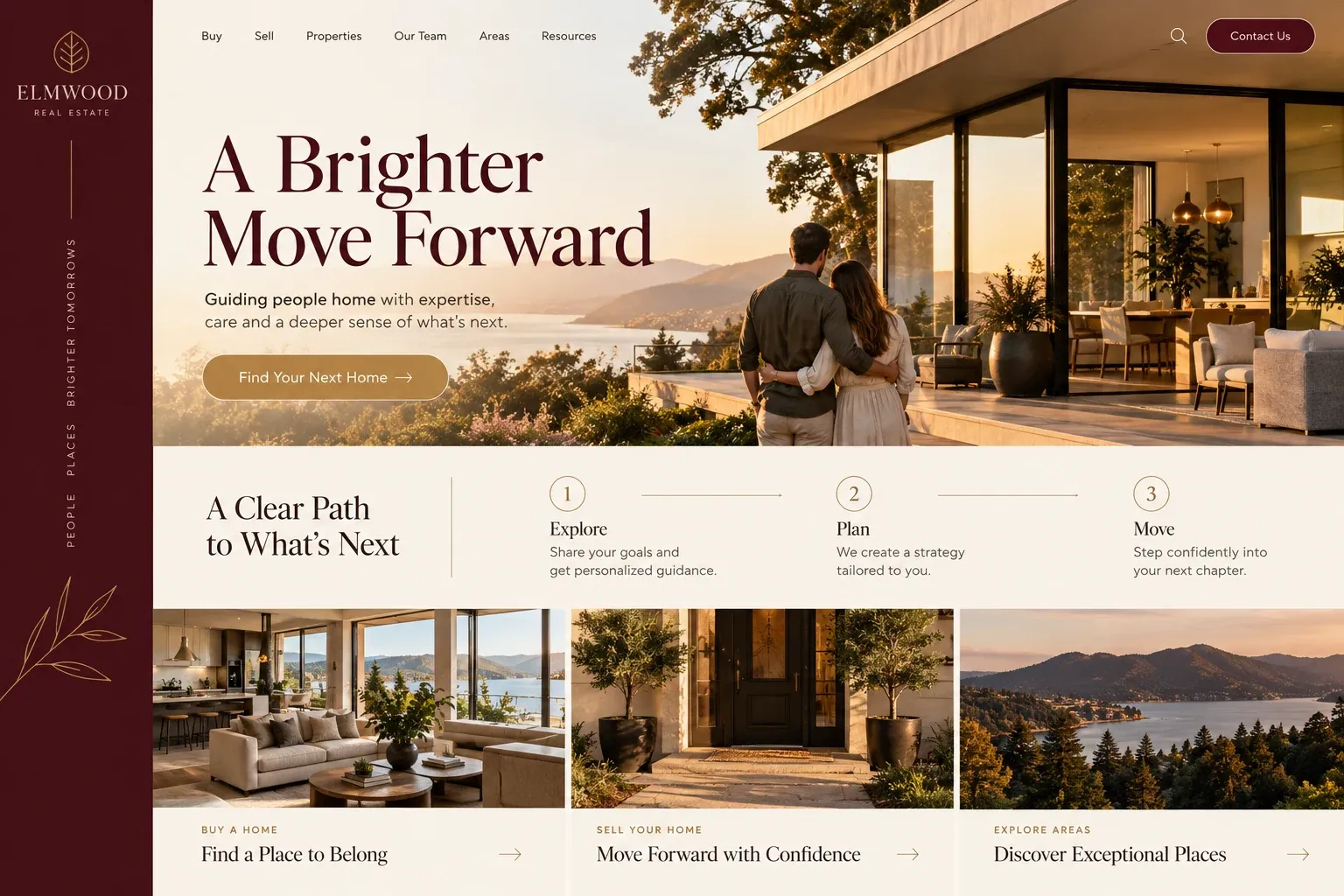
Fictional mortgage brokers website homepage design concept
A design concept for a fictional brand. Your site is designed from scratch around yours.

Your customer's story

Saving for a condo, scared of the paperwork

Andrea is a dental hygienist who has rented in Kendall for six years. She has finally saved a down payment and found a two-bedroom condo she likes, but the listing agent asks whether she is pre-approved, and she is not. Her credit is fine, she thinks. Her side income from weekend tutoring might count or might not. She has no idea where to start.

Her bank's website wants her to apply online right away, which feels like signing something. Two broker sites promise the lowest rates and fastest closings in big letters. A third explains what a mortgage broker does differently from a bank, walks through the steps from first conversation to closing, and has a short page on buying a condo, including why some buildings are harder to finance than others.

The loan officer's photo and NMLS number sit beside a form that asks only for her name, phone, email, and whether she is buying or refinancing. No Social Security number, no pay stubs. She sends it on her lunch break. A mortgage broker's website should make that first contact feel like a conversation, not an application, and save the documents for the secure portal later.

Why it matters

Why mortgage brokers need a website.

Mortgage shoppers are anxious and comparison-minded. First-time buyers want the process explained; self-employed borrowers want to know whether their income will be understood; condo buyers and investors have questions a bank's call center rarely answers. They compare brokers on clarity, the loan types offered, the person they will work with, and reviews. A listing on a lender directory gives a rate and a phone number, not the conversation that earns trust.

We build mortgage broker websites that explain first and ask second. A page describes what a broker does and how you are paid, in words you approve. The process is laid out from first call to closing. Loan types and buyer situations get their own pages, without approval promises or rate claims. Loan officers get profiles with NMLS numbers, and the first inquiry asks only for contact details and a goal.

What your customers search for

  • mortgage broker near me
  • mortgage broker Miami
  • first time home buyer loan
  • condo mortgage Florida
  • self employed mortgage
  • how to get pre approved for a mortgage

Your customers

What borrowers wonder before calling a mortgage broker

  • Why use a broker instead of my bank?

    A plain page on what a broker does, how many lenders you work with if you choose to say, and how the broker is paid.

  • What will this process feel like?

    A step-by-step page from first conversation and pre-approval to appraisal, underwriting, and closing, with what the borrower does at each stage.

  • Can someone like me qualify?

    Situation pages for first-time buyers, self-employed borrowers, condo purchases, investors, and refinancing, explaining what is usually reviewed without promising any result.

  • Who is actually handling my loan?

    Loan officer profiles with photos, NMLS numbers, languages, and the borrowers each person works with most, so the first call starts on familiar terms.

What we build

What a website for mortgage brokers should include.

  • Broker role explained

    What a mortgage broker does, how it differs from a bank or direct lender, and how compensation works, in approved language.

  • Loan process timeline

    Each stage from inquiry to closing, with the documents typically requested and who the borrower hears from along the way.

  • Borrower situation pages

    First-time buyers, condo purchases, self-employed income, investment properties, and refinancing, each explained without approval promises.

  • Team profiles with NMLS

    Photos, NMLS numbers, licensing details, languages, and short bios for each loan officer, approved by the person described.

  • Simple first inquiry

    Name, phone, email, purchase or refinance, and a rough timeline. No Social Security numbers, income figures, or document uploads.

  • Secure application link

    A clear button to the secure online application or document portal you already use, for borrowers ready to proceed.

Planning guide

What should a mortgage broker's website explain before anyone applies?

Most borrowers visit a broker's website before they are ready to apply. They want to understand what you do, what the process involves, and whether their situation is one you handle. A good site answers those questions honestly, introduces the people, and offers a light first step. Here is how to plan it.

Explain the role and the road

Start with two pages that many broker sites skip. The first explains what a mortgage broker does, how that differs from going straight to a bank, and how you are compensated, in language you approve. The second walks through the process: first conversation, pre-approval, house hunting, appraisal, underwriting, and closing, with what the borrower provides at each stage. Add situation pages, team profiles, an about page, and a contact page.

Write situation pages without promises

Borrowers search for their circumstances: buying a first home, buying a condo, being self-employed, investing in a rental, refinancing. A page for each explains what lenders usually look at and what documents tend to come up, in general terms. Leave out approval promises, rate claims, and closing speed boasts. If you publish rates or examples, keep them current and accompanied by whatever details your team has reviewed and approved.

Separate the hello from the application

The website's contact form should feel like saying hello: name, phone, email, whether the borrower is buying or refinancing, and a rough timeline. Do not ask for Social Security numbers, income, account numbers, or uploads there. When a borrower is ready, a clear button sends them to the secure online application or document portal you already use, where sensitive information belongs and where your team can handle it properly.

Show each loan officer with a photo, NMLS number, languages, and a short bio, and give a direct line or scheduling link. Many buyers are also working with a real estate agent, so a short page explaining how you keep the buyer's agent informed during the loan can help win referrals.

Get found by local buyers and agents

Borrowers search both by place and by situation: "mortgage broker near me", "condo loan Miami", "self-employed mortgage". Situation pages answer the specific ones; a consistent Google Business Profile and the neighborhoods you serve answer the local ones. Reviews from past borrowers matter here, so ask after closing. Keep every page current when products change, and remember that no website can promise a ranking, only a clear, honest presence.

In your market

Mortgages in the South Florida market

South Florida lending has its own wrinkles: a market full of condos, where building finances and association rules can affect financing; self-employed and commission-based borrowers; foreign nationals and buyers with income from abroad; second-home buyers who spend winters here; and insurance costs that weigh on every monthly payment. Many borrowers want to talk it through in Spanish or Portuguese. We write situation pages around the loans you actually arrange and can add a Spanish version of every page.

Questions

Questions mortgage brokers ask us.

Should our mortgage website show today's rates?

Only if you can keep them accurate. Rates move often, and a stale number hurts trust. Many brokers explain what affects a rate and invite a conversation instead. If you do publish rates or examples, we display them with the details your team approves and make updating them part of the routine.

Where should NMLS numbers appear on a mortgage broker's site?

We place the company's NMLS number in the footer of every page and each loan officer's number on their profile, alongside any licensing details you give us. Borrowers can look those numbers up, and seeing them up front is part of what makes a broker feel legitimate. Your team confirms the details before launch.

Can borrowers start a mortgage application on our website?

They can start through the secure application or portal you already use; we add a clear button to it on every page. The website's own form stays a simple hello: name, contact details, purchase or refinance, and timing. Income, Social Security numbers, and documents belong in the secure system, not in email.

How do we write about condo and self-employed loans without overpromising?

We describe what lenders typically review and what documents often come up, in general terms, and invite the borrower to talk it through. We avoid phrases like "everyone qualifies" or "approved in hours". Your loan officers review each page, and anything they are unsure about is reworded or removed before launch.

Let's talk

Ready for a website built for mortgage brokers?

Tell us about your business and we will come back with a clear recommendation and a fixed quote. No pressure, no jargon.

Trades we design for

See all 226 trades

226 trades

  • Plumbers website design concept
CallFree quote