Web design for personal trainers

Personal trainer websites for real starting points.

Most people looking for a trainer are not athletes. They are busy adults with a starting point they feel awkward about, and they hire the coach who seems to understand where they are now.

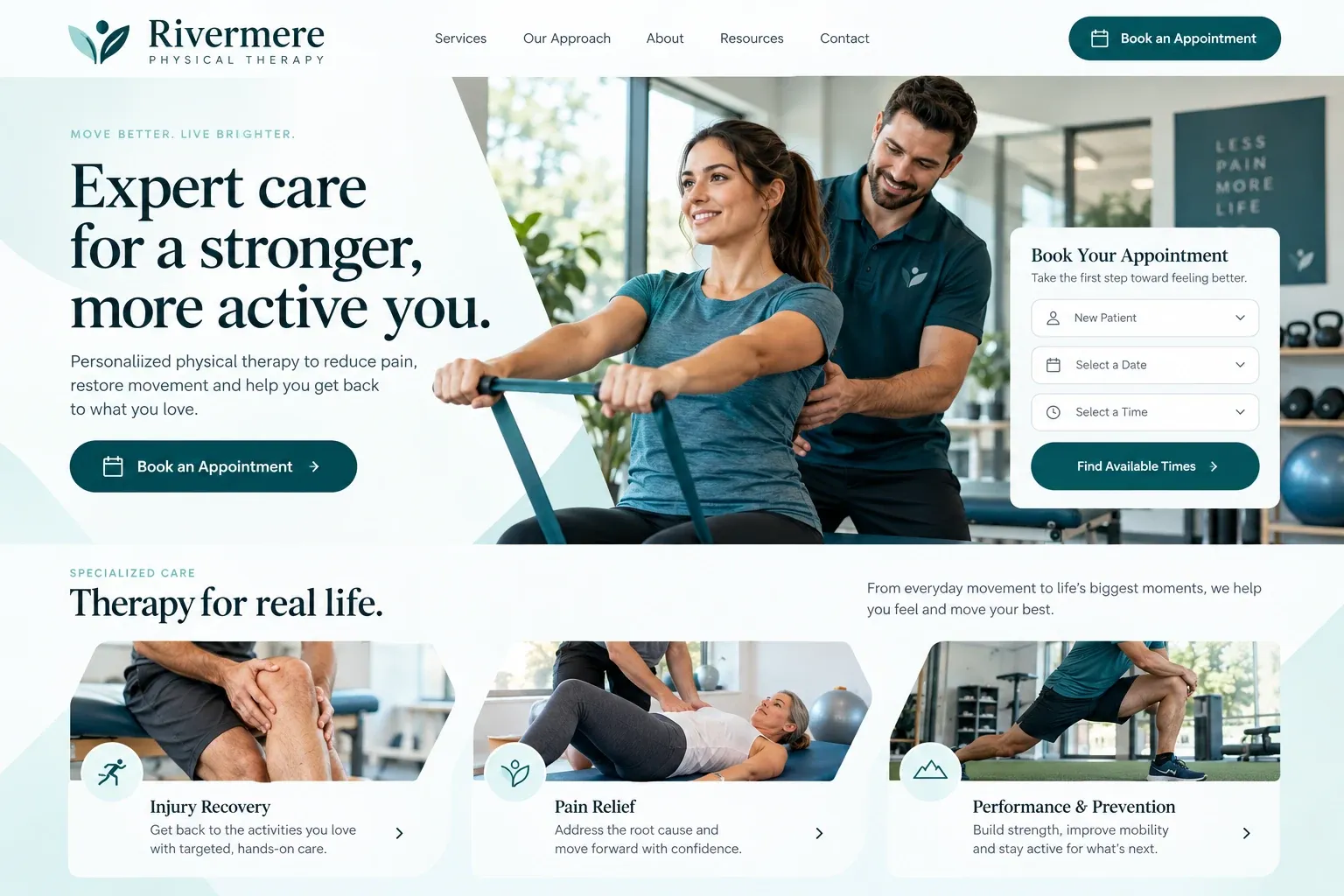
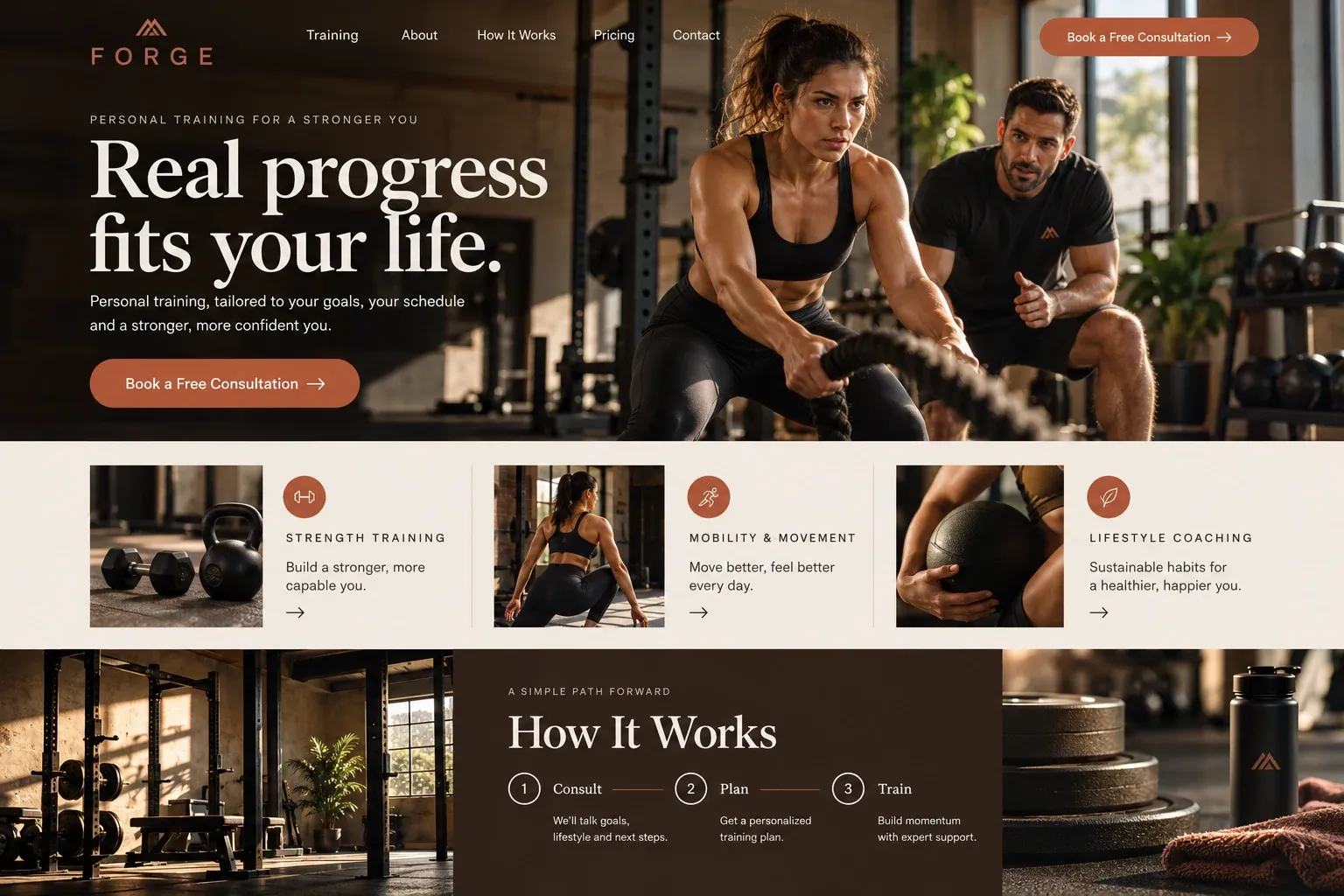
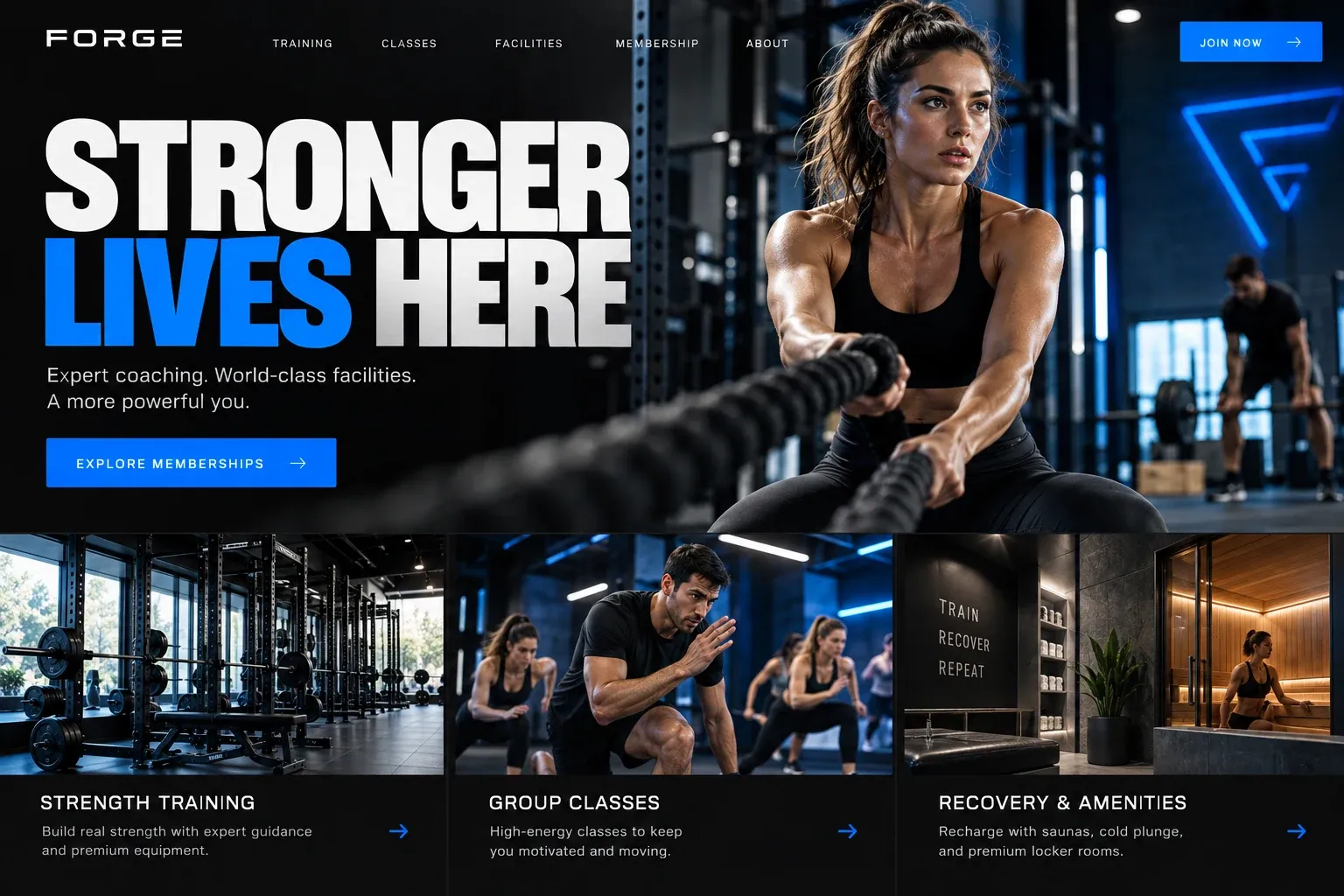
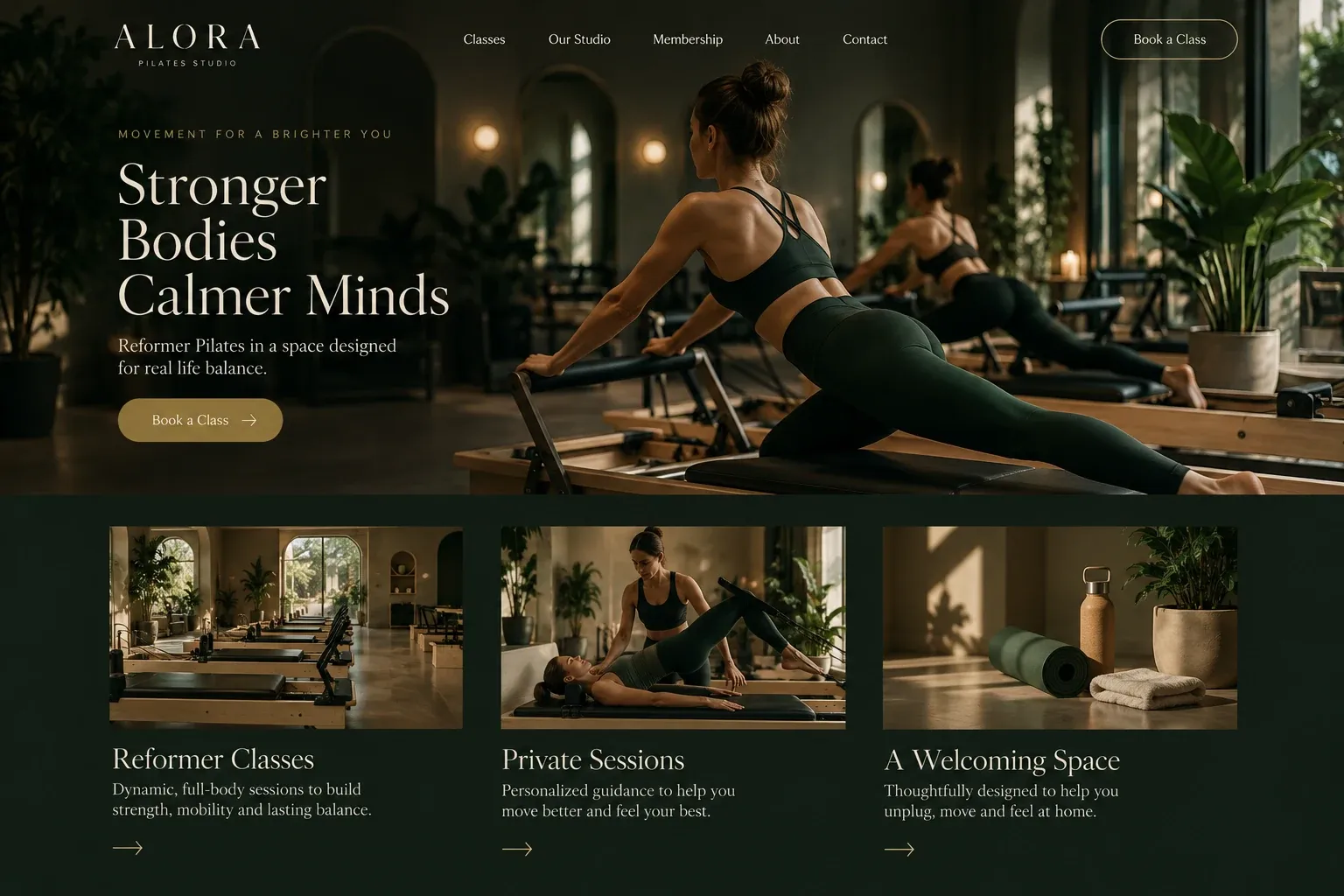
Fictional personal trainers website homepage design concept
A design concept for a fictional brand. Your site is designed from scratch around yours.

Your customer's story

Back to exercise after twelve years

Gloria is fifty-two, runs a busy accounting office, and has not exercised regularly since her second child was born. Her doctor has suggested she get stronger, and her daughter keeps sending her links to trainers. Every one shows a shirtless man flipping a tractor tire. Gloria closes them all. She does not want to be shouted at. She wants a plan she can keep.

One evening she finds a trainer whose home page says, in the first line, who she works with: adults returning to exercise, people with busy schedules, beginners of any age. There are photos of clients in ordinary clothes, a page on session formats, including early mornings in a condo gym, and a list of certifications with the issuing organizations named.

The inquiry form asks about her goals in her own words, her available days, and where she would like to train. It does not ask for her medical history. Gloria fills it in on her lunch break. A personal trainer's website wins clients like her by showing the trainer understands an ordinary starting point and by making the first conversation feel small and safe.

Why it matters

Why personal trainers need a website.

Personal training is a relationship sold to people who are often unsure of themselves. They compare trainers by who they work with, where and when sessions happen, and whether the trainer seems patient. Instagram favors dramatic transformations and advanced workouts, which can scare off exactly the clients most trainers want. A website lets you describe your clients, your approach, and your formats honestly, and answer the practical questions first.

We build personal trainer websites that start with who you help. Session formats get clear explanations: one-on-one, small group, in-home, outdoor, or online. Certifications are listed accurately with the organizations that issued them, and no page promises a body change. The intro inquiry asks about goals, schedule, and location, never health details, and your scheduling or payment tool handles bookings once you agree to start.

What your customers search for

  • personal trainer near me
  • in home personal trainer Miami
  • personal trainer for beginners
  • personal trainer for seniors
  • online personal training
  • female personal trainer Miami

Your customers

What new clients wonder before contacting a trainer

  • Will I be the least fit person you train?

    A plain statement of who you work with, from beginners to people returning after a long break, with photos of ordinary clients if they agree.

  • Where and when would we train?

    Session formats and locations explained: your studio, their home or condo gym, a park, or online, along with the times you usually have open.

  • Are you actually qualified?

    Your certifications listed with the issuing organizations, plus any specialties such as older adults or prenatal training, stated accurately.

  • What happens in the first session?

    A short description of your intro session or assessment, what to wear and bring, and how you build a plan from there.

What we build

What a website for personal trainers should include.

  • Who I train

    A clear section on the people you work best with, so the right clients recognize themselves in the first lines.

  • Training formats

    One-on-one, partner, small group, in-home, outdoor, and online options, each with a short description of how it works.

  • Verified qualifications

    Certifications and education named with the organizations behind them, presented as they are, with no inflated titles.

  • Intro session inquiry

    A form asking for goals in the client's words, preferred days, and location, with no medical questions.

  • Scheduling and payment links

    Buttons into the booking or payment tool you already use for single sessions, session packs, or memberships.

  • Client stories, with consent

    Short accounts from clients who agreed to share, focused on routine and confidence rather than before and after bodies.

Planning guide

What should a personal trainer put on their website?

A personal trainer's website is a first conversation held without you in the room. It should tell the right person that you work with people like them, explain how sessions run, and make reaching out feel easy. Here is how we plan one, and what to leave out.

Lead with the people you train

The most useful sentence on a trainer's site says who you help. Beginners, adults over fifty, new parents, people training for a first race, or athletes returning from a break: name them. Then give each group a short page or section with what sessions look like for them. If you do not train certain groups, it is fine to say so. A visitor who recognizes themselves in the first lines keeps reading; one who sees only extreme fitness leaves.

Show training honestly

Photos of you coaching real clients, in the places you actually train, do more than polished stock images. Avoid before and after body photos, which set expectations no trainer can promise. Instead, share client stories about consistency, energy, or confidence, written with their permission and in their words. Never use a quote or result you cannot stand behind.

List certifications exactly as issued, with the organization's name, and describe specialties only where you hold training in them. Clients and their doctors sometimes check, and accuracy here builds more trust than an impressive-sounding title. If you work alongside physical therapists or dietitians, say how referrals work rather than offering their services yourself.

Make the first step small

An intro session or consultation is the natural first step, and the inquiry form should feel just as light. Ask for a name, contact details, goals in the client's own words, preferred days and times, and where they would like to train. Leave health questionnaires for your intake process, not a website form. Once someone signs up, link them to your scheduling or payment tool. A reply within a day or two keeps the momentum going.

Be found where your clients live

Trainers are found by neighborhood and by need: "personal trainer Brickell", "in-home personal trainer for seniors", "female personal trainer near me". Pages for each format and the areas you travel to give search engines something specific. Keep your Google Business Profile current, even if you have no studio, by listing a service area. Reviews that mention the experience, rather than numbers on a scale, help the right people find you.
In your market

Training through South Florida's seasons

Training here means planning around heat, humidity, and summer storms, so outdoor sessions often move to early mornings, shaded parks, or the sand, and many clients train in condo gyms or at home. Winter brings seasonal residents who want a trainer for a few months, and many clients prefer Spanish or Portuguese. We write format and location pages that reflect how you actually train here, and we can add a Spanish version.

Questions

Questions personal trainers ask us.

Can a personal trainer's website show client results?

It can share client stories, with their permission and in their words, about routine, energy, or confidence. We avoid before and after body photos and any promise of specific changes, because results depend on the person. You approve every story, and clients can ask for theirs to be removed at any time.

How should I describe in-home and online training on my site?

Give each format its own short section: where it happens, what equipment you bring or the client needs, how long sessions usually last, and which areas you travel to. Online clients want to know how sessions run and which app you use. Clear formats help clients choose before the first call.

Can clients book and pay for training sessions through the site?

Yes, through the tools you already use. The site links to or embeds your scheduling app, and session packs or memberships can be paid through your payment provider. The website handles the first inquiry and points existing clients to the right place to book.

What should a personal trainer's inquiry form ask?

Keep it short: name, contact details, goals in the client's own words, preferred days and times, and where they want to train. Leave health history and injury questions for your intake process, handled in person or through your own software, not an ordinary website form.

Let's talk

Ready for a website built for personal trainers?

Tell us about your business and we will come back with a clear recommendation and a fixed quote. No pressure, no jargon.

Trades we design for

See all 226 trades

226 trades

  • Plumbers website design concept
CallFree quote