Web design for property management companies

Separate doors for owners and residents, built for property managers.

A property manager's phone rings for two reasons: an owner wondering whether to hand over a building, and a resident with a leak at midnight. The website should send each one to the right place before anyone has to call.

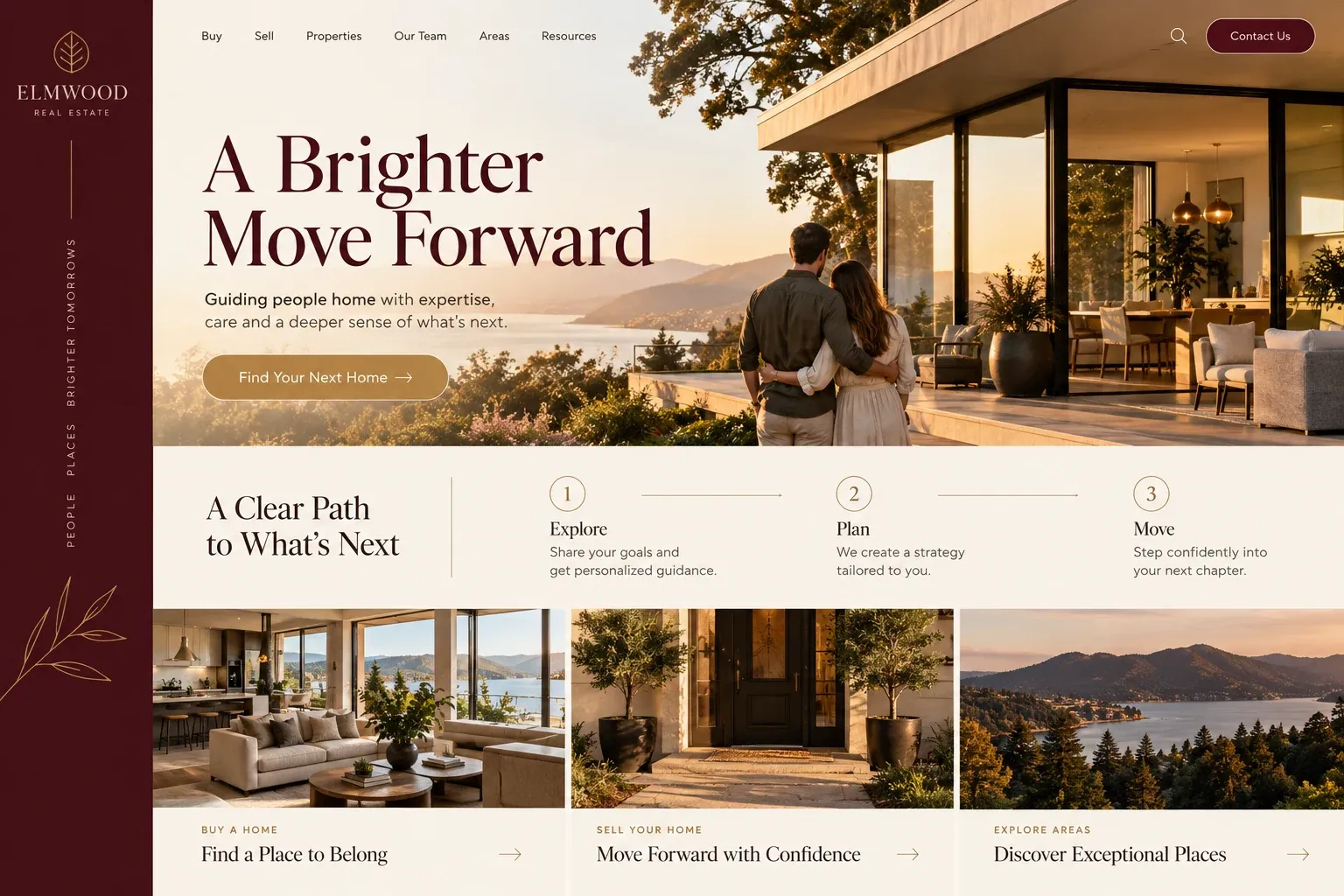
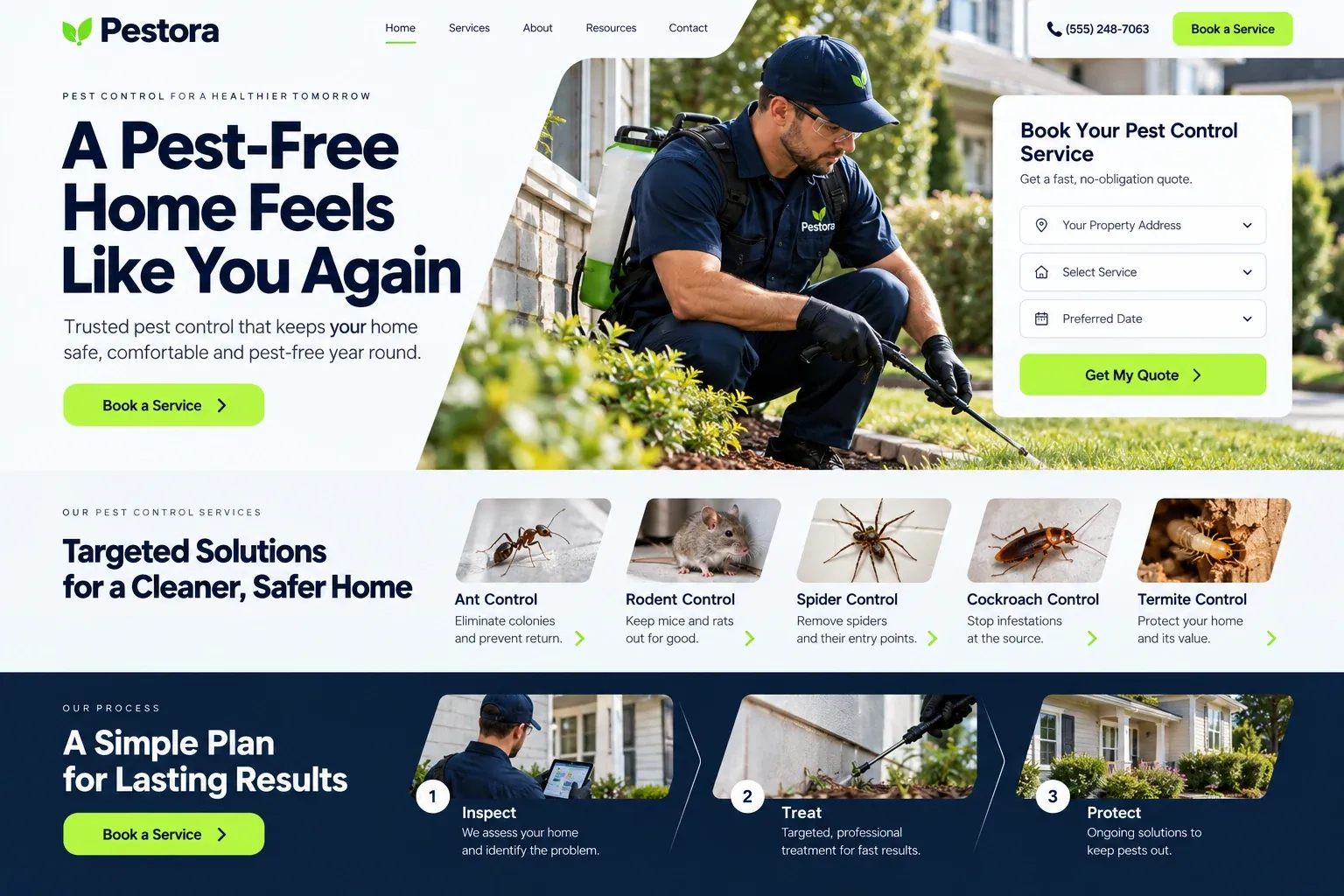
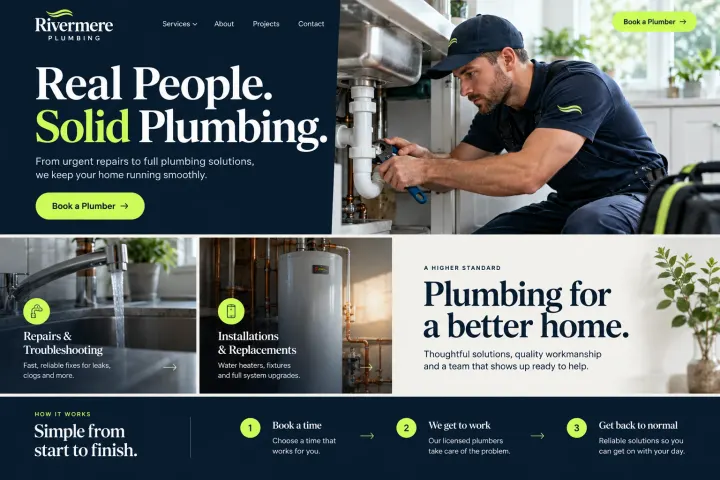
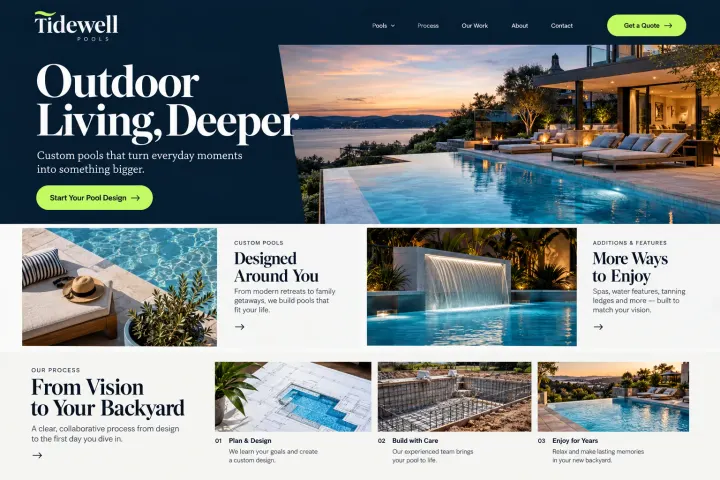
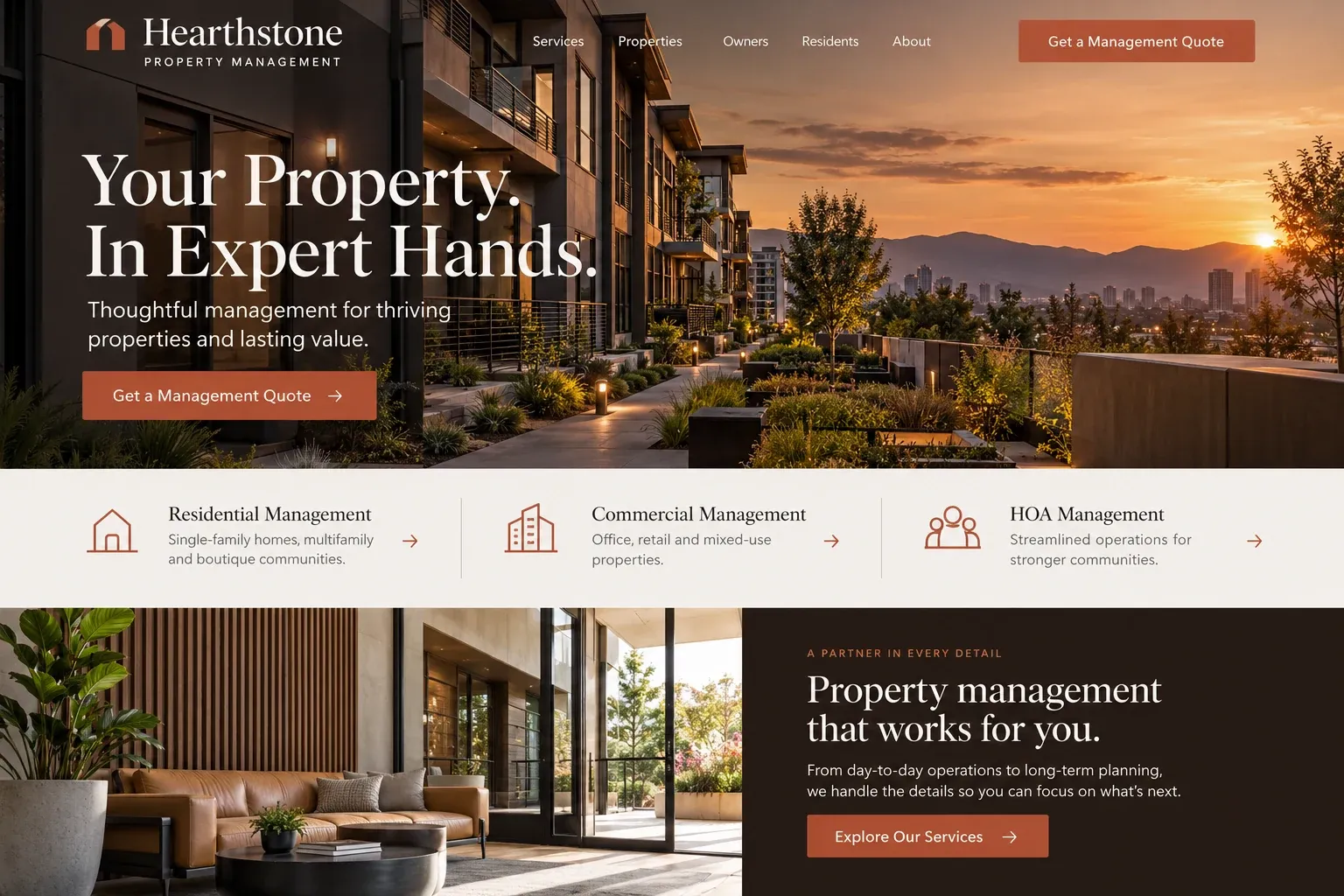
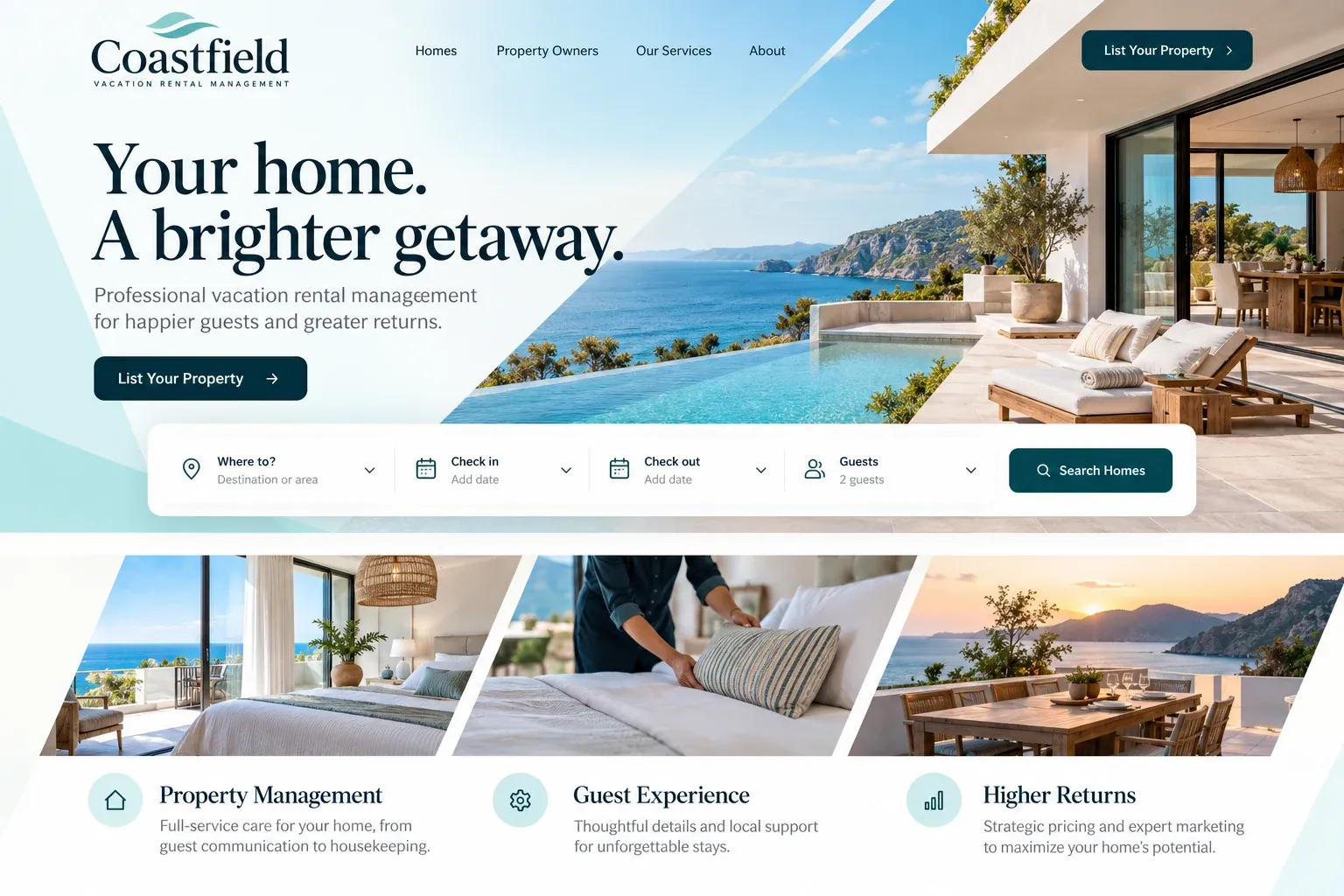
Fictional property management companies website homepage design concept
A design concept for a fictional brand. Your site is designed from scratch around yours.

Your customer's story

The owner tired of managing from Toronto

Claire owns two rental condos in North Miami Beach and lives in Toronto. This week one tenant's air conditioning failed, the other paid rent late, and the condo association sent a notice about balcony repairs she does not understand. She spends her lunch break calling a repair company she found online. That evening she searches for property management companies near the buildings.

The first site she opens has one contact form for everyone, and a banner about paying rent online. She cannot tell what the company would do for an owner. Another site splits in two at the top: residents to the left, owners to the right. The owner side lists what is included, how tenants are screened, how repairs are approved, and when statements arrive each month.

She fills in the owner form with both addresses, the lease end dates, and the association's name. The next morning a manager replies and books a video call for after her workday. Claire is buying peace of mind from a stranger, so a property management website has to show its process plainly and keep residents' requests out of the owner's way.

Why it matters

Why property management companies need a website.

Property management sells trust to one audience and service to another. Owners, many of them out of state or abroad, compare managers carefully before handing over keys, rent, and repairs. Residents need to pay, report a problem, or renew a lease without phoning the office. A listing on a rental site shows vacancies, and a social page shows smiles, but neither explains your management scope or sends a midnight leak to the right channel.

We build property management sites with separate paths for owners and residents from the first screen. Owners get pages on what you manage, what is included, how onboarding works, and how you report, with an inquiry form that asks about the property. Residents get links into the portal you already use for payments and maintenance, an emergency number, and your available rentals, so routine questions find answers without a call.

What your customers search for

  • property management companies near me
  • property management Miami
  • condo management company Miami
  • rental property manager for out of state owners
  • hoa management company
  • apartment management services

Your customers

What owners and residents need from a property manager's site

  • What exactly would you handle for me?

    An owner services page listing leasing, rent collection, maintenance coordination, inspections, and statements, with a clear line on anything you do not cover.

  • How will I know what is happening?

    A page on owner communication: how often you report, what the statements show, how repairs above a set amount get approved, and who answers the phone.

  • Where do I report a repair?

    A resident page with one clear button into your portal for maintenance requests and payments, plus the emergency line for floods, fires, and lockouts.

  • Do other owners trust you?

    Google reviews from owners and residents shown on the site, plus the neighborhoods and building types you manage, stated plainly in your own words.

What we build

What a website for property management companies should include.

  • Owner and resident paths

    A split at the top of the home page that sends landlords and tenants to their own information with one tap.

  • Resident portal links

    Buttons into the property software you already run, such as AppFolio or Buildium, for rent payments and maintenance requests.

  • Management scope pages

    Separate pages for single-family homes, condos, small apartment buildings, and associations, each saying what you handle and what you do not.

  • Onboarding overview

    The steps from signed agreement to first statement: keys, documents, inspections, tenant notices, and setting up the owner's account.

  • Property inquiry form

    Owners give the address, property type, number of units, current occupancy, and what they want help with, so your first call is useful.

  • Available rentals

    Vacancies shown from your listing feed or linked to it, with photos, rent, and the link to apply online.

Planning guide

How to plan a property management website for owners and residents

Many property management sites try to talk to everyone at once and end up answering no one. Owners want to know what you will do with their asset. Residents want to fix a problem or pay rent and get on with their day. The plan below keeps those two journeys apart, from the home page to the forms.

Give owners and residents separate front doors

Put the split at the very top of the home page. The owner side holds your services, the types of property you manage, the onboarding steps, owner communication, and an inquiry form. The resident side holds portal links, the emergency number, rental listings, move-in and move-out notes, and answers to common questions about renewals and pets. An about page and a contact page with office hours finish the structure.

Spell out the management scope

Owners comparing managers want specifics. Say which property types you take on, what is included in standard management, and what costs extra, such as leasing a vacancy or supervising a large repair. Explain how you screen applicants in general terms, how you approve repairs, and how you handle a tenant who stops paying. Describe the scope as it really is, so the owners who call are the ones you want.

An onboarding page helps too. List the steps from the signed agreement to the first statement: collecting keys and documents, an initial inspection with photos, notices to current tenants, and setting up the owner's portal account. Owners who live far away find this especially reassuring, because it shows them what will happen without needing to be there.

Send resident requests to your systems

Residents should never have to guess where to report a repair. Link straight into the portal you already use for maintenance requests and rent payments, and explain in one line what counts as an emergency, with the after-hours number beside it. Keep the general contact form for questions the portal cannot handle, and ask it for nothing beyond a name, unit, phone, and message.

Help owners in your area find you

Owners search for managers by place and property type: condo management in Aventura, rental management in Kendall, property managers near me. Pages for the areas and property types you serve give those searches something to match. Keep your business details the same on the site and your Google Business Profile, and ask satisfied owners for reviews. A site cannot promise rankings, but this structure gives a careful manager a fair chance to be found.
In your market

Built for property management in South Florida

Managing property here means hurricane preparation, salt air on balconies and railings, and air conditioning that cannot fail in August. Many owners live in other states or abroad and want reports they can read from afar, sometimes in Spanish or Portuguese. Condo associations add their own rules for move-ins, leases, and repairs, and structural inspections have become a regular topic in older buildings. Your site can speak to each of these, in English and, if you like, in Spanish.

Questions

Questions property management companies ask us.

Can residents pay rent through our property management website?

Through your portal, yes. We do not build payment software. We link or embed the resident portal from the property management system you already use, so payments, maintenance requests, and documents stay in the system built for them. The website makes that portal easy to find from every page.

Should we list our management fees for property owners?

Some managers publish their fee structure and others explain it on a call. Either way, owners appreciate knowing what is included in management and which services, such as leasing a vacancy, carry a separate charge. We write the page with you, using only the terms you confirm.

How do we keep vacancies current on the property management site?

The simplest way is to show the listings feed from your property software or link to its vacancy page, so a unit that rents today disappears from the site without anyone touching it. If you prefer a few hand-picked listings, send us the changes and we update them.

Can the site handle both rental homes and community associations?

Yes. If you manage condo and homeowner associations as well as rentals, each gets its own section, because a board member and a landlord ask different questions. The association side can link board members and residents to their portal and explain how you handle meetings, budgets, and vendors.

Let's talk

Ready for a website built for property management companies?

Tell us about your business and we will come back with a clear recommendation and a fixed quote. No pressure, no jargon.

Trades we design for

See all 226 trades

226 trades

  • Plumbers website design concept
CallFree quote