Web design for travel agencies

Websites that show the value of a real travel advisor.

Anyone can book a flight online. People call a travel advisor when the trip is too important, too complicated, or too far away to risk getting wrong, and they look for proof you have done it before.

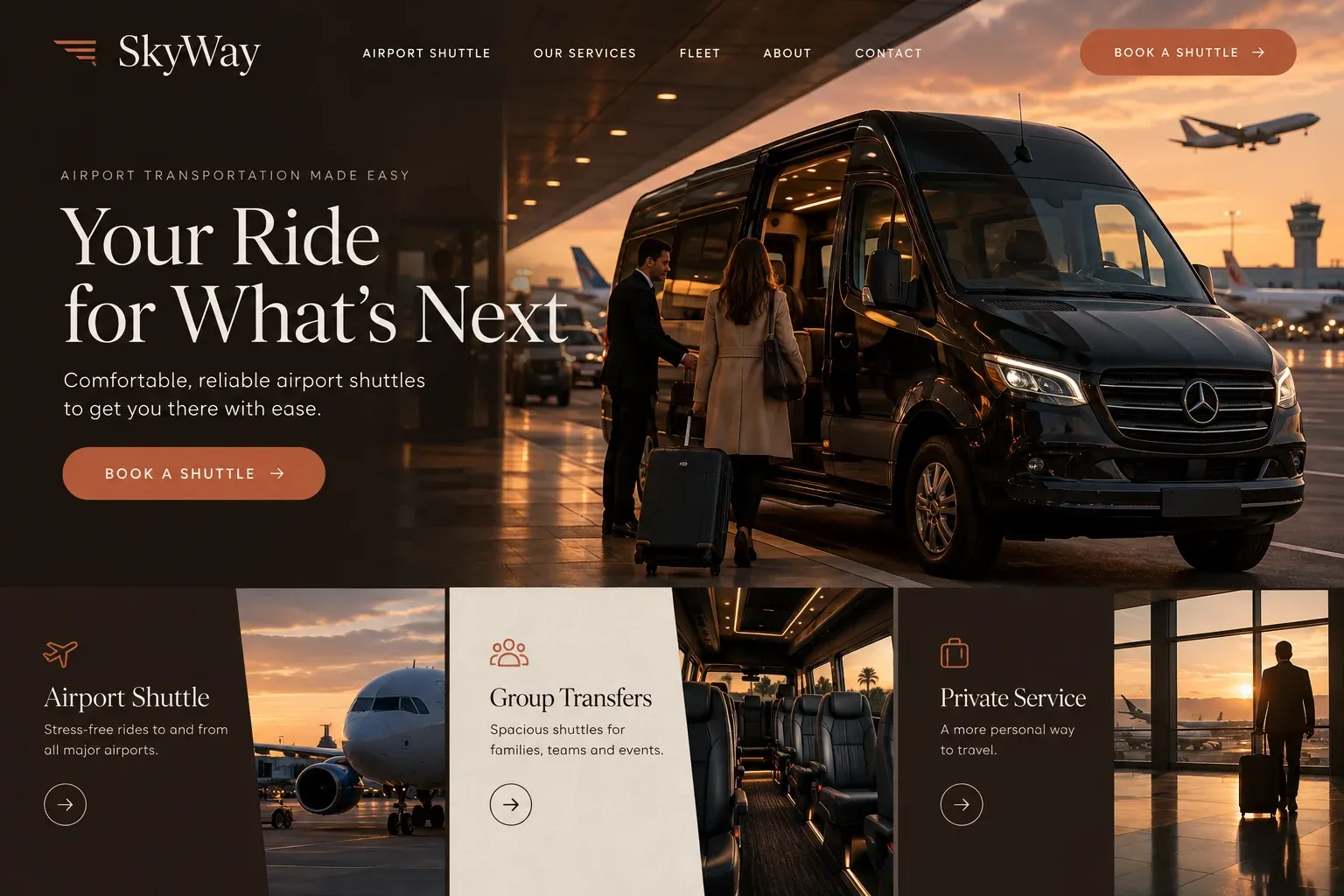
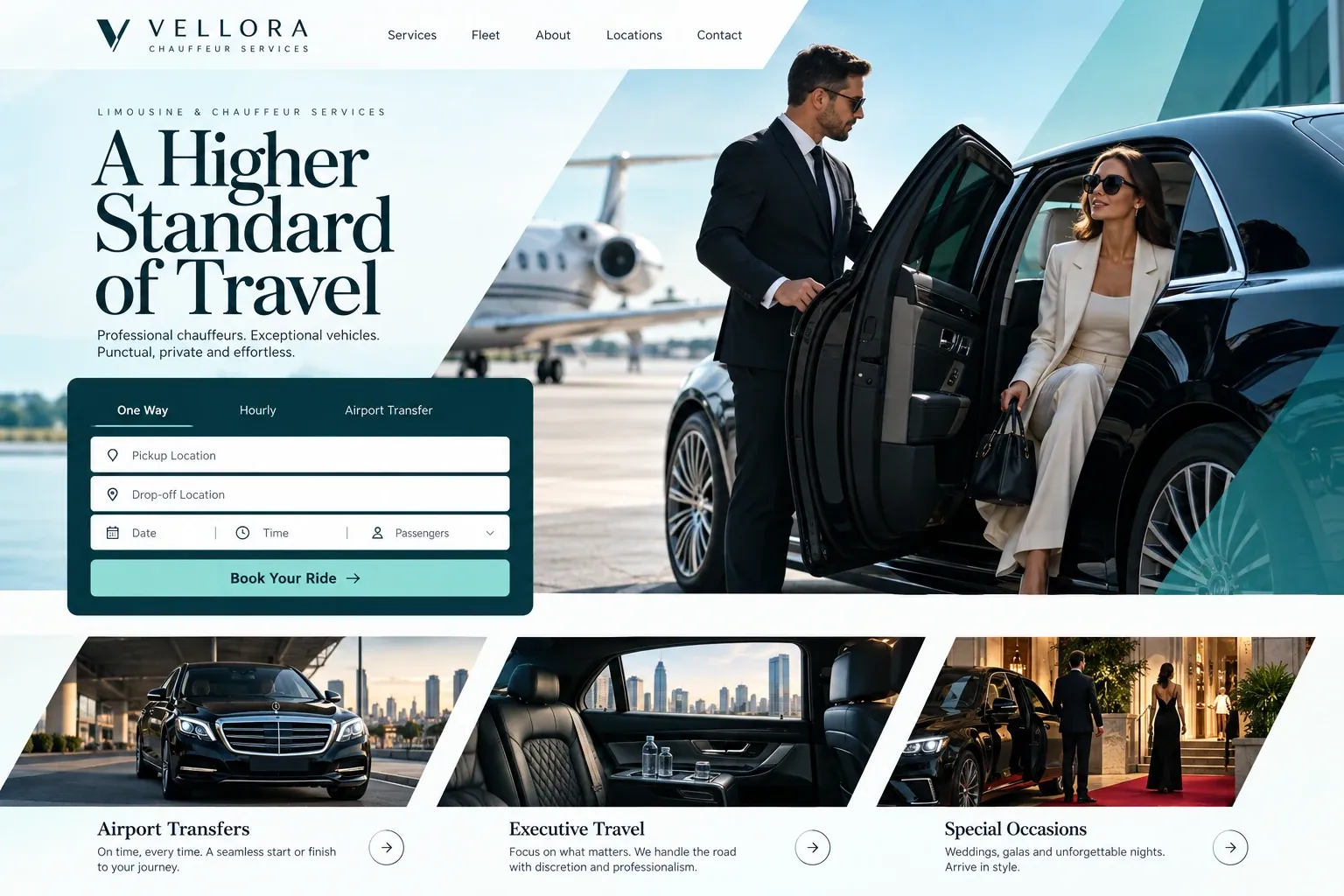
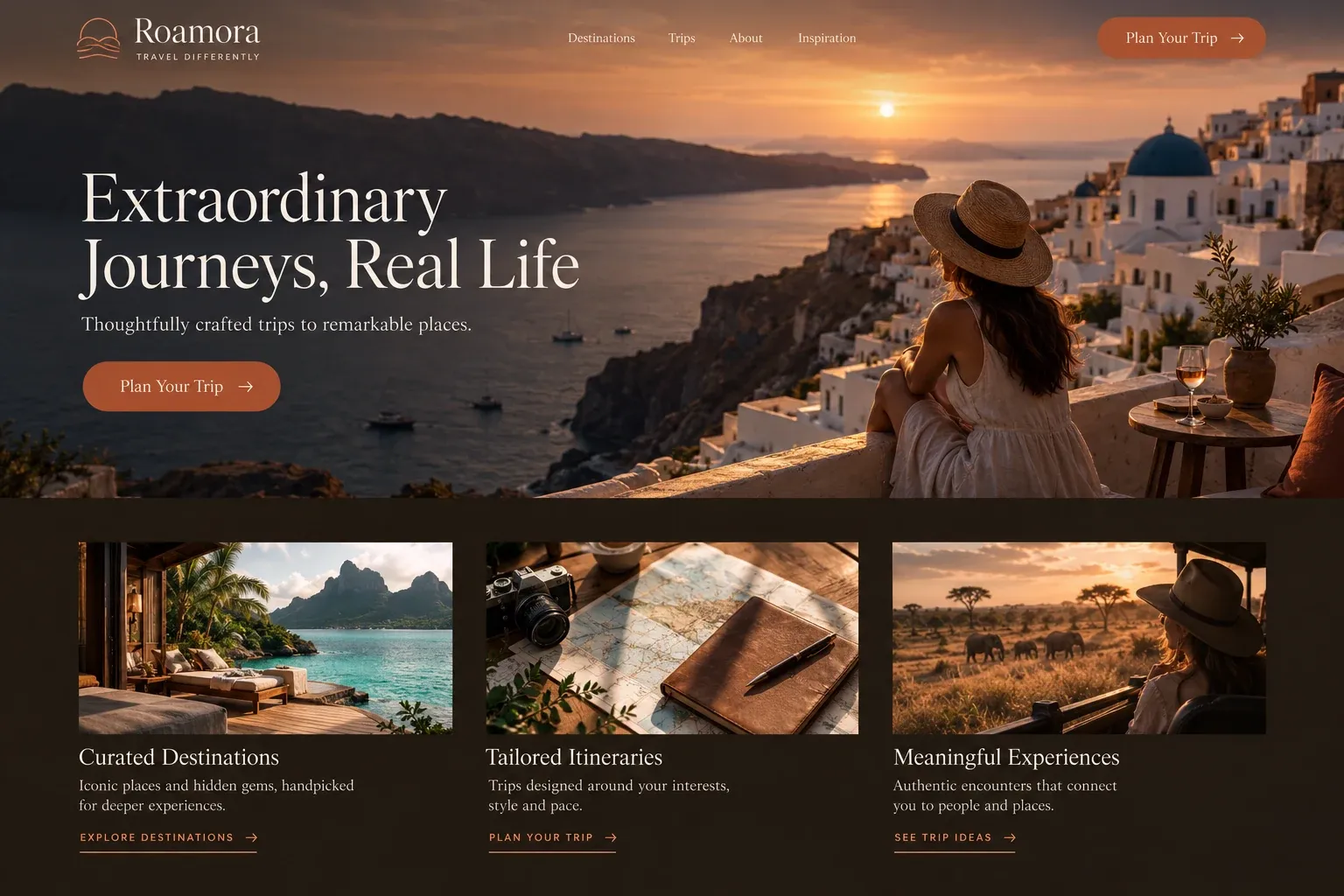
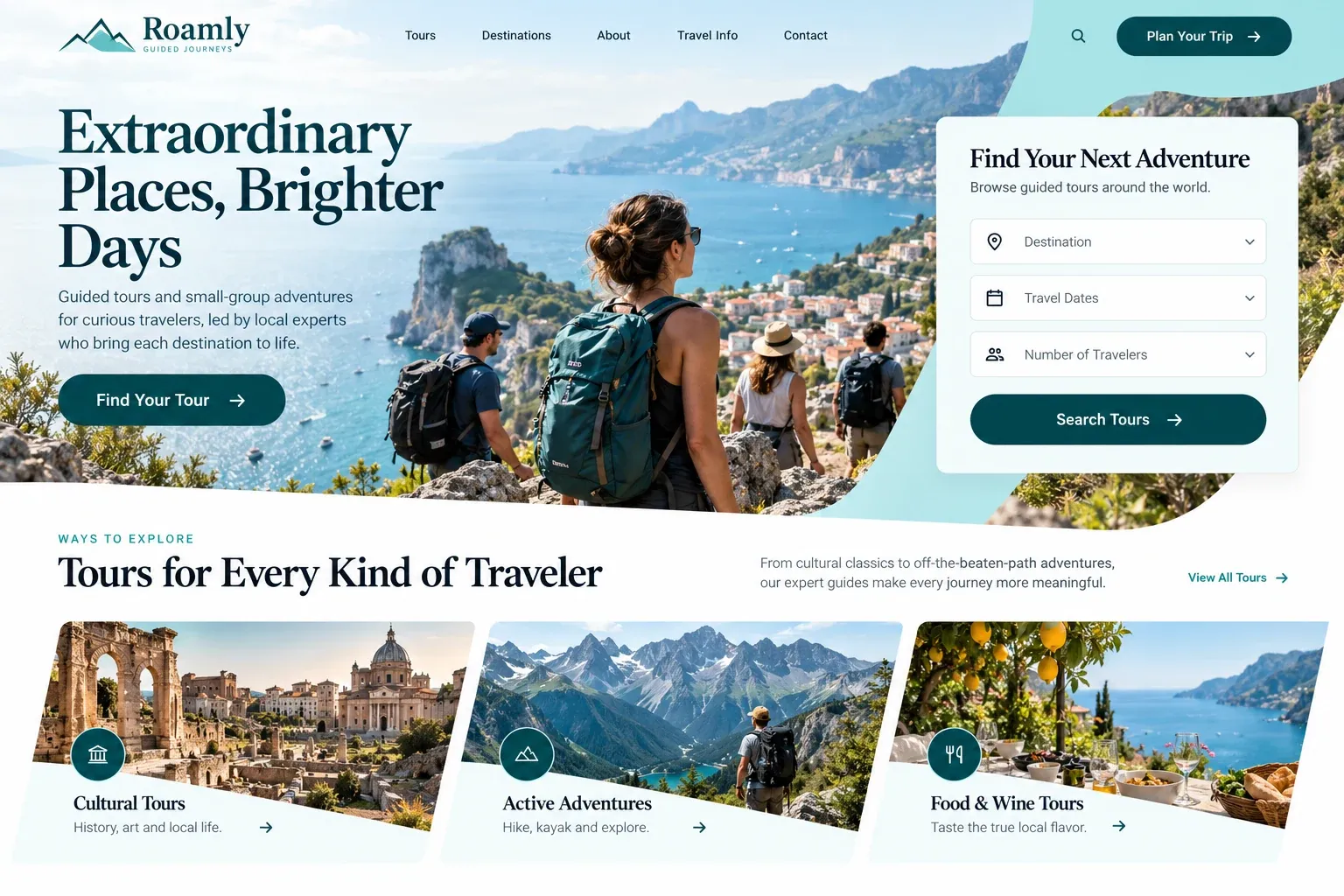
Fictional travel agencies website homepage design concept
A design concept for a fictional brand. Your site is designed from scratch around yours.

Your customer's story

A honeymoon with too many moving parts

Gabriela and Chris want a honeymoon that starts in Lisbon, moves through the Greek islands, and ends somewhere with nothing to do but swim. They have spent three evenings on booking sites, with flight times that do not line up, ferries they do not understand, and hotel reviews that contradict each other. Chris finally says what they are both thinking: someone must do this for a living.

Gabriela searches "travel agent for honeymoon" and opens a few agency sites. Some are pages of stock beaches and vague promises. One shows the agency's real specialties, Mediterranean honeymoons, river cruises, and family trips to Latin America, and explains how planning works: a first call, a proposal, revisions, booking, and documents before departure. Sample itineraries are clearly labeled as examples.

There is a trip brief asking for dates, the style of travel, must-see places, and what would make the trip feel special. Gabriela fills it in and books a call. A travel agency's website should make the value of a human planner visible: specialties you actually have, a process people can follow, and an easy way to share their hopes for the trip.

Why it matters

Why travel agencies need a website.

Travelers who use an agency have usually tried to plan alone and found it overwhelming, or they are planning a trip that matters too much to risk: a honeymoon, a milestone birthday, a family reunion, a complex cruise. They compare advisors by specialty, experience, and how planning works. Social posts of beaches and host agency listings say little about what you know or how you would plan their trip.

We build travel agency websites around your genuine specialties, whether cruises, honeymoons, group travel, or a region you know well. A process page explains how planning works and how your fees or commissions are handled, in the words you choose. Sample itineraries are labeled as examples, without fixed prices or availability promises. A trip brief collects dates, travelers, interests, and priorities, so your first call is about their trip.

What your customers search for

  • travel agent near me
  • travel agency Miami
  • cruise travel agent
  • honeymoon travel agent
  • group travel agency
  • travel agent for Europe trip

Your customers

What travelers ask before working with a travel agency

  • Do you know this kind of trip?

    Specialty pages for the destinations and trip types you genuinely plan most, with your personal experience and sample itineraries labeled as examples.

  • How does working with you work?

    A step-by-step page from the first call to departure, covering proposals, revisions, booking, documents, and support while traveling.

  • Is it more expensive than booking myself?

    A plain explanation of how you are paid, whether through supplier commissions, planning fees, or both, so travelers understand before they call.

  • Can I trust you with my booking?

    Your registrations, accreditations, and memberships where you hold them, real reviews from returning travelers, and the advisors' names and photos.

What we build

What a website for travel agencies should include.

  • Travel specialty pages

    Cruises, honeymoons, family trips, group travel, or regions you know well, each with real experience behind it.

  • Planning process page

    From first call to welcome home, with what the traveler decides and what the advisor handles.

  • Sample itineraries

    Example trips clearly labeled as illustrations, showing pacing and style without promising prices or availability.

  • Trip brief form

    Dates, travelers, destinations, travel style, budget range, and what would make the trip special, emailed to you.

  • Advisor profiles

    Each advisor's photo, specialties, languages, and places they have traveled, so clients choose a person, not a logo.

  • Group and cruise inquiries

    A separate form for weddings abroad, reunions, and group cruises, asking group size, dates, and cabin or room needs.

Planning guide

What should a travel agency's website show travelers?

A travel agency website has to answer one question: why plan with a person instead of a booking site? It does that by showing real expertise, explaining the process, and making the first step easy. Here is how we plan a travel agency site, what to include, how to present itineraries honestly, and how it helps travelers searching nearby find you.

Lead with specialties you truly have

Travelers trust advisors who know their kind of trip. Give each real specialty its own page: cruises, honeymoons, family travel, group trips, or regions you know well. Write about your personal experience, the suppliers you trust, and the questions you help clients answer. Avoid listing every destination in the world. A short list of genuine strengths is more convincing and gives search engines clearer topics.

Explain how planning together works

Many travelers have never used an advisor and do not know what happens next. A process page that walks through the first call, the proposal, revisions, booking, documents, and support during the trip removes that uncertainty. Explain how you are paid, through commissions, planning fees, or both, in plain words. Transparency here answers the biggest hidden question before anyone has to ask it.

Show who stands behind each trip. Advisor profiles with photos, languages, specialties, and places they have been help travelers choose a person they trust. List the registrations, accreditations, and memberships your agency actually holds, such as a state seller of travel number where it applies, and link reviews from real clients.

Label itineraries and use a trip brief

Sample itineraries help travelers picture a trip, but they must be honest. Label them as examples, avoid fixed prices and availability claims, and note that each trip is planned around the traveler. Then invite visitors to share their own ideas through a trip brief: dates, number of travelers, destinations, travel style, budget range, and what would make the trip special. The brief arrives in your inbox, ready for a first call.

Help nearby travelers find your agency

Travelers search travel agent near me, cruise travel agent, honeymoon planner, or a destination plus travel agent. Specialty pages and advisor profiles give search engines clear matches. Keep your details consistent with your Google Business Profile and ask happy travelers for reviews after they return. Rankings cannot be promised, but this foundation gives a skilled agency a fair chance to be found.
In your market

Built for travel agencies in South Florida

Miami is a hub for cruises and for flights to Latin America and the Caribbean, and many travelers here book trips to visit family abroad as well as vacations. Clients are often bilingual and may travel on more than one passport. Cruise specialists, honeymoon planners, and agencies focused on Latin America and Europe all serve this market. Hurricane season raises questions about travel insurance and rebooking. We can add a Spanish version of the site and write specialty pages for the trips you plan most.

Questions

Questions travel agencies ask us.

Should our travel agency website show trip prices?

Usually not as fixed prices, because fares and availability change constantly. Sample itineraries work better when labeled as examples, with a note that every trip is planned and quoted individually. You can explain your planning fee, if you charge one, on the process page.

How can a travel agency website show real expertise?

Through specialty pages written from your own experience, advisor profiles with the places each person has traveled, and reviews from real clients. We avoid generic destination copy and focus on the trips you plan most and the questions you help travelers answer.

Can the travel agency site include booking tools?

Yes, if your host agency or suppliers provide them, such as a cruise search or an online booking link. We embed or link those tools, but the main route stays the trip brief, because most of your value lies in planning rather than self-booking.

Should a travel agency website be in Spanish too?

If many of your clients prefer Spanish, yes. We can build a Spanish version of every page, including specialty pages and the trip brief. Travelers switch with one tap, and briefs from both versions arrive in your inbox, so you reply in the language they chose.

Let's talk

Ready for a website built for travel agencies?

Tell us about your business and we will come back with a clear recommendation and a fixed quote. No pressure, no jargon.

Trades we design for

See all 226 trades

226 trades

  • Plumbers website design concept
CallFree quote