Planning guide
What should a trucking company's website include for shippers?
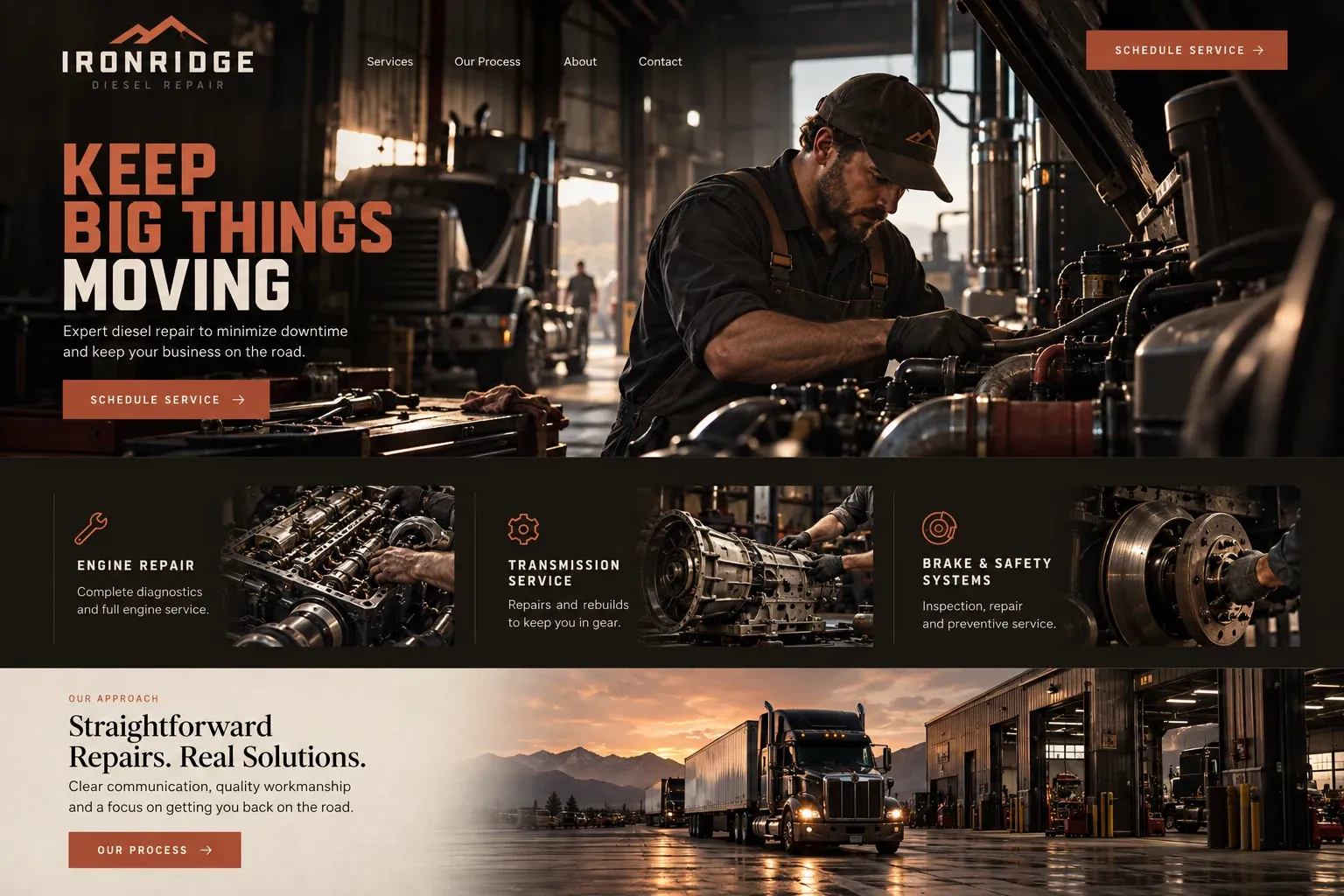
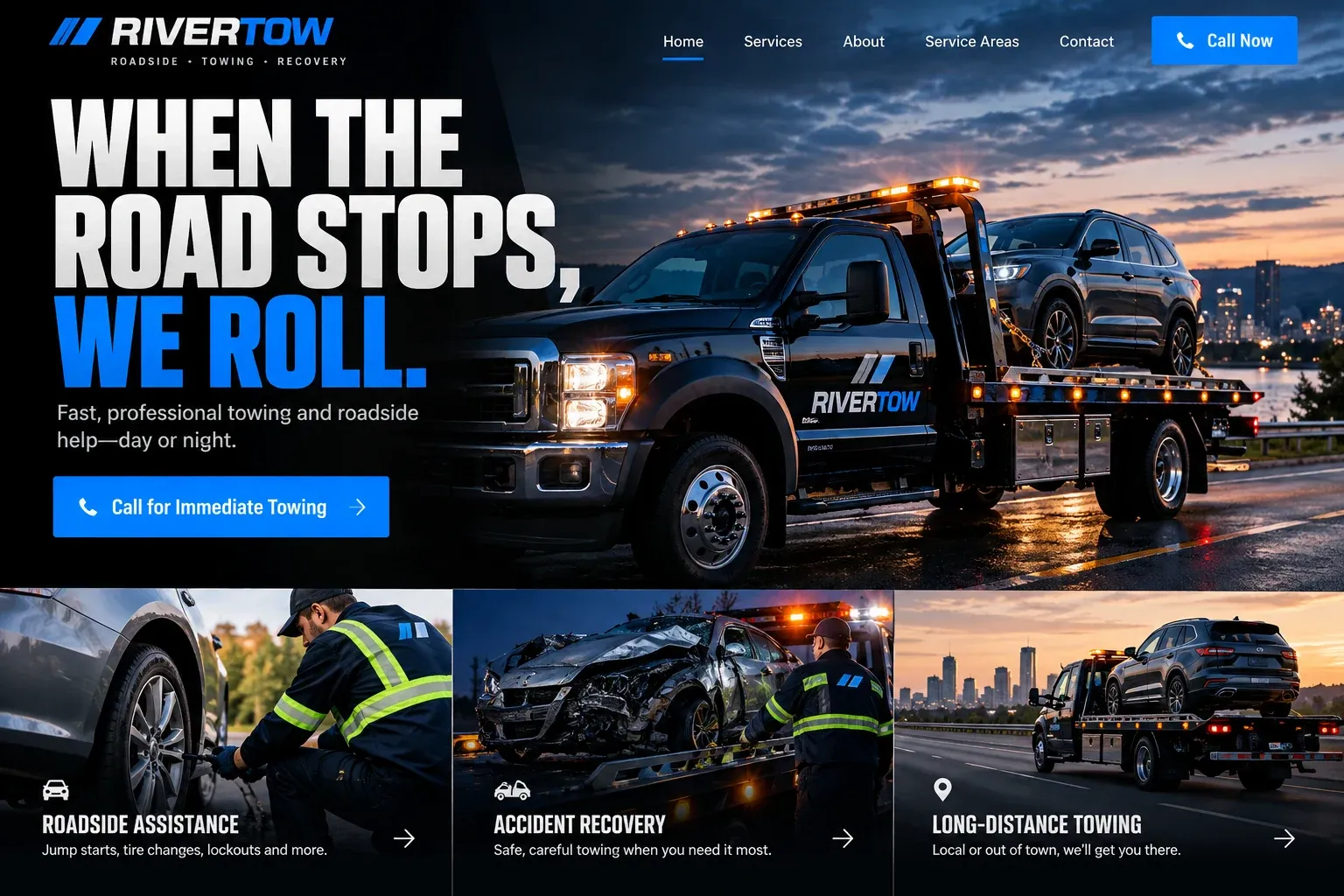
A trucking company's website has two jobs that pull in different directions: convincing shippers to tender loads and convincing drivers to apply. The best sites keep those paths separate and make each one specific. Here is how we plan a carrier's site, covering capabilities, proof, the load quote form, and how shippers find you.
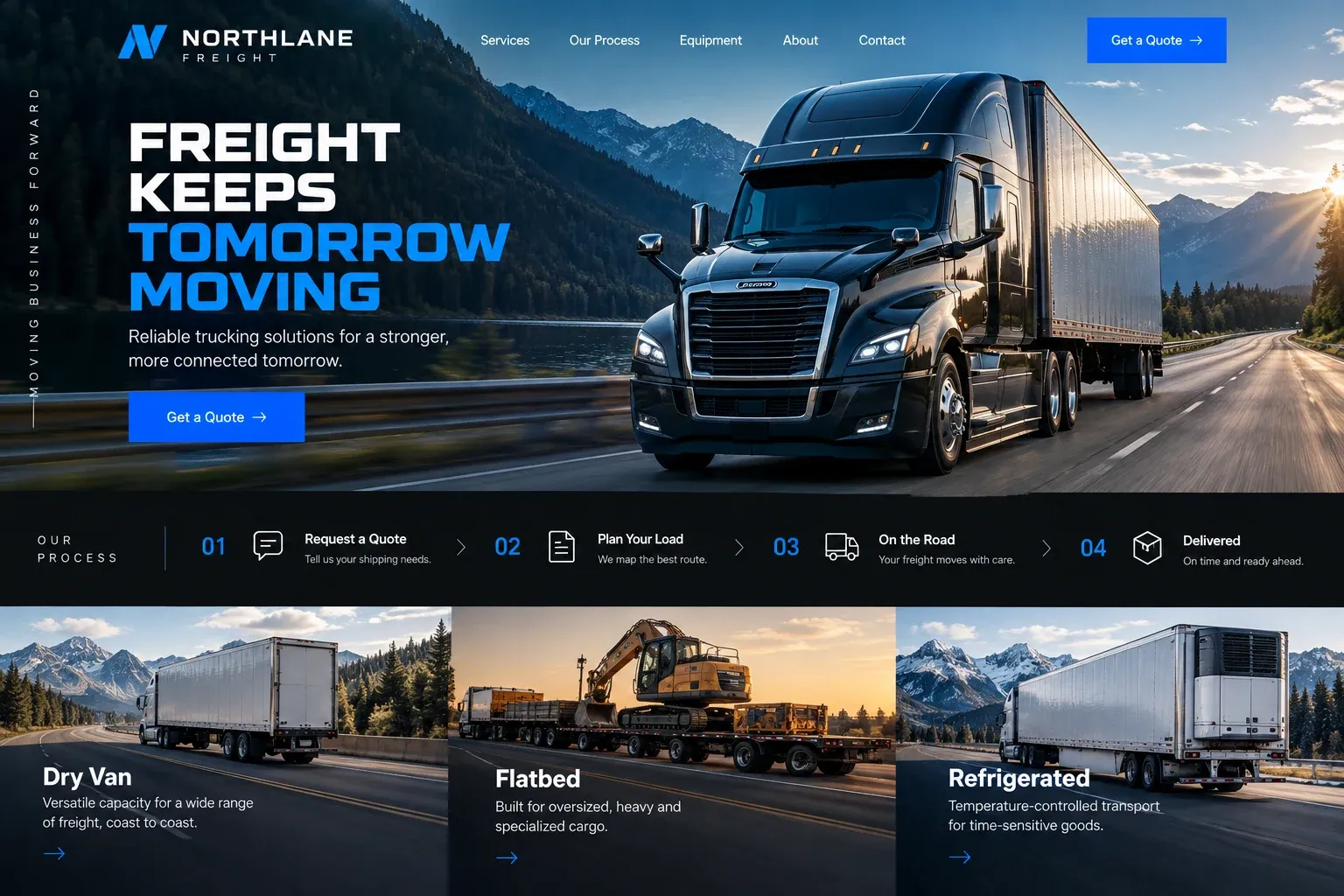
Lead with equipment, lanes, and freight
Shippers scan for three facts: what you pull, where you go, and what you haul. Give each equipment type a section with trailer lengths, capacities, and features. Show service regions on a simple map, separating local, regional, and long-haul work, and port or airport drayage if you run it. Then add pages for the commodities you know best, such as produce, building materials, or retail freight.
Prove you are a real, reachable carrier
Freight fraud has made shippers cautious, so proof matters. Put your USDOT number, where you have one, and any other carrier numbers in the footer of every page, with your physical address and a dispatch phone number that a person answers. Photograph your own trucks, yard, and drivers. Leave out safety ratings, on-time figures, or certifications unless you can document them exactly.
Shippers also want to know how you communicate. Explain how loads are dispatched, how and when you send status updates, and whether you offer tracking through a working system. If you do not, say how a customer reaches dispatch during a run. Plain answers here often matter more to a logistics manager than any photo of a gleaming tractor.
Structure the load quote request
A useful quote form asks for origin and destination, pickup and delivery dates, freight type, weight, dimensions or pallet count, equipment needed, and special requirements such as temperature range, hazmat status, or liftgate. Let shippers attach a rate request or bill of lading draft. Send it straight to dispatch, and say when someone will reply during business hours.
Keep driver recruiting on its own page, with its own form or a link to your application system, so job seekers never land in the shipper inquiry inbox. Describe routes, home time, and equipment honestly, and avoid any figures you cannot stand behind. Driver applications involve personal details, so they belong in a secure application system rather than a simple contact form.
Be found by shippers in your region
Shippers search by equipment, lane, and place: reefer carrier Miami, flatbed trucking South Florida, drayage Port Everglades. Equipment, freight, and region pages give search engines those matches. Keep your name, address, and phone consistent with your Google Business Profile, and ask long-term customers for reviews. Many shippers find carriers through referrals, and your site is where they check you out before calling.