Web design for architects

Websites that show how an architect thinks.

Clients hire an architect for judgment they cannot see in a photograph. A portfolio draws them in, but they decide on the thinking behind the work: how a brief, a difficult lot, and a budget became a building.

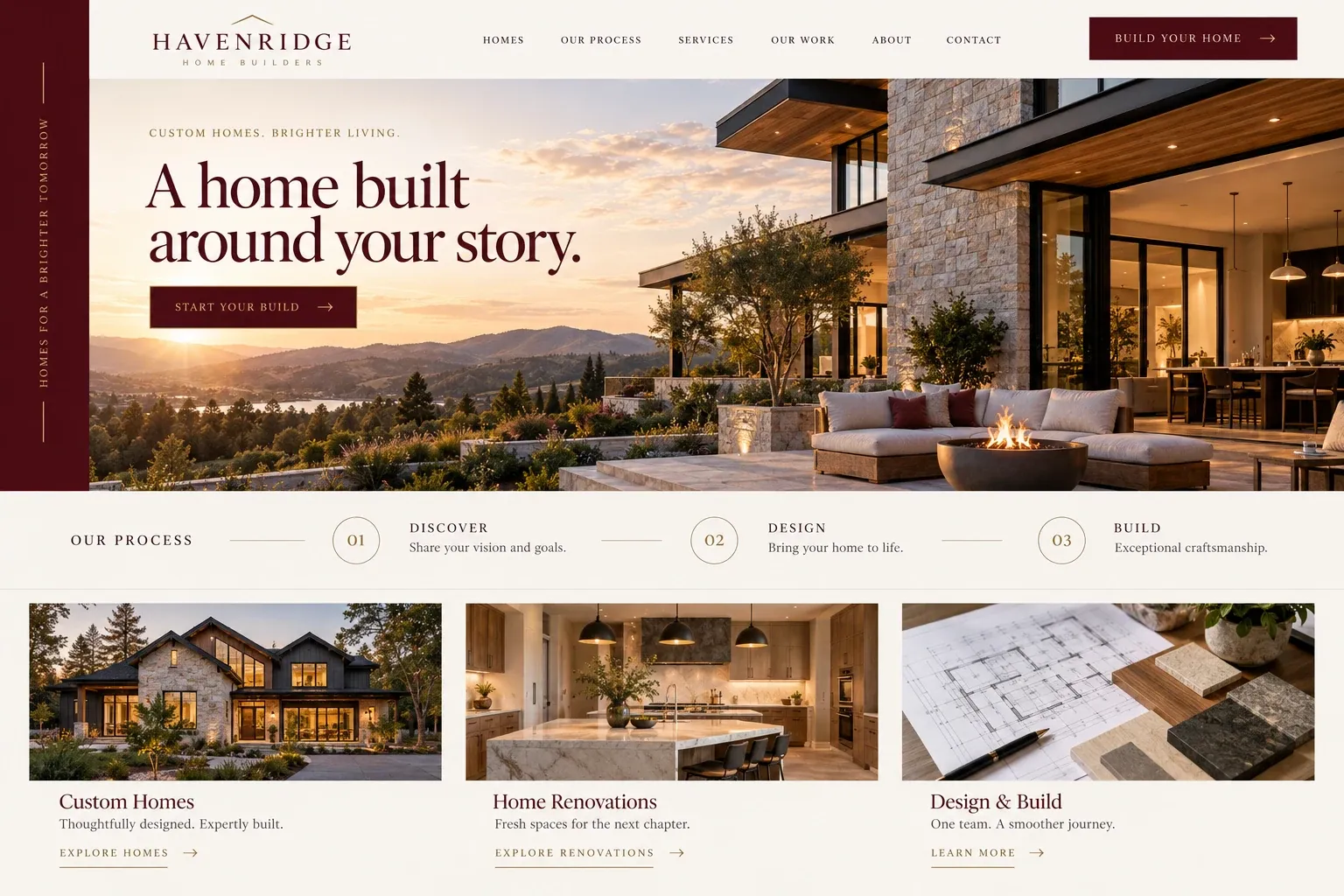
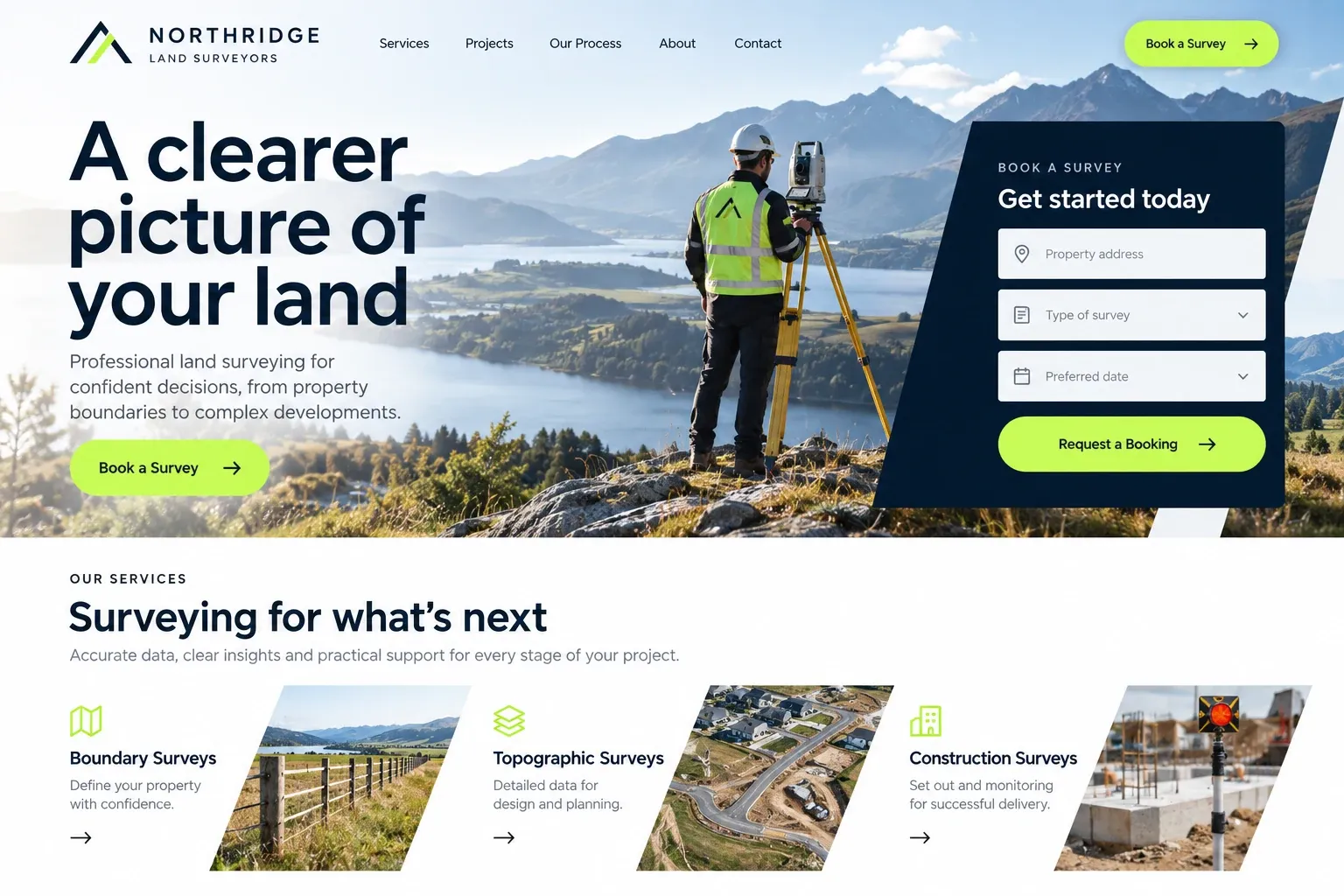
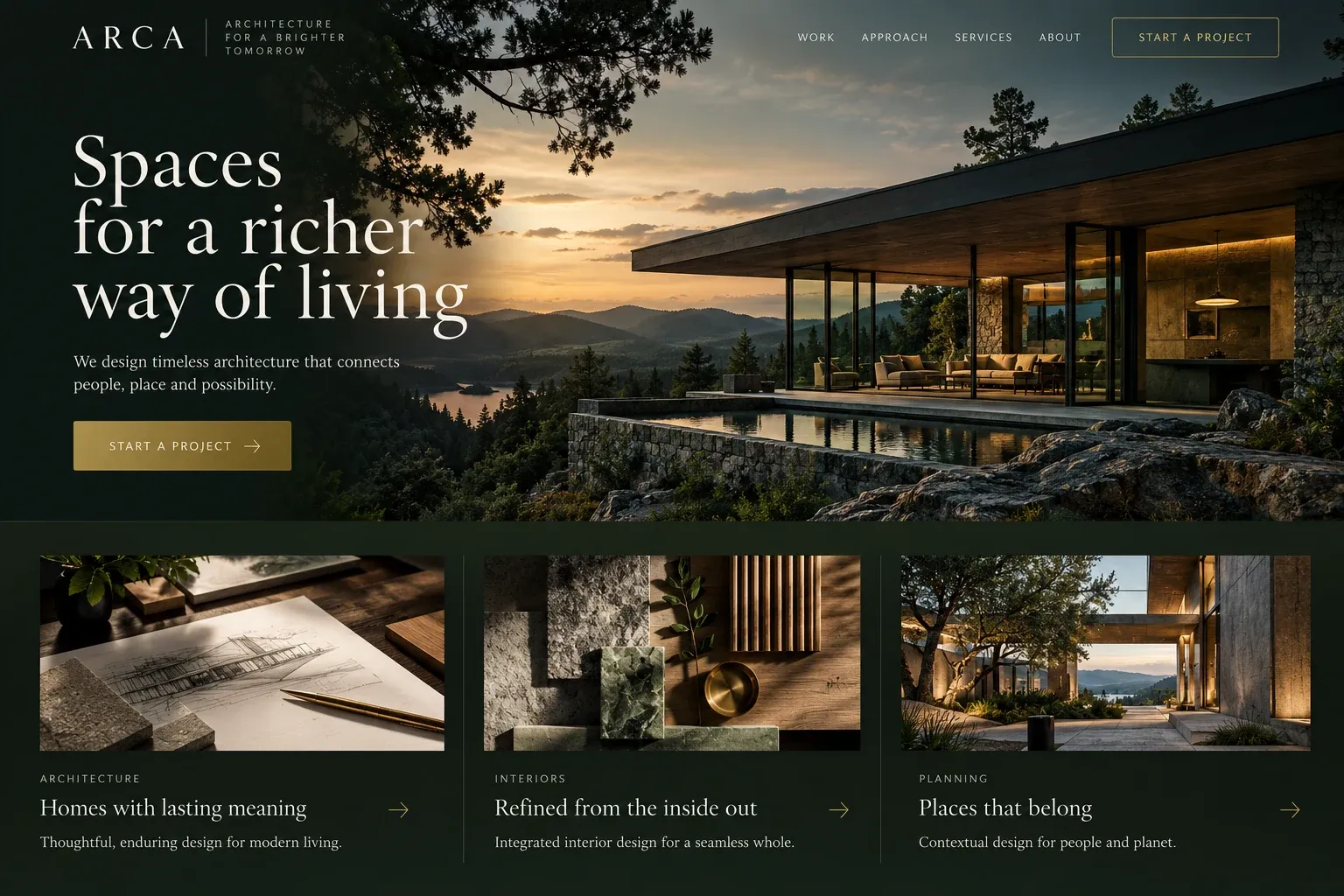
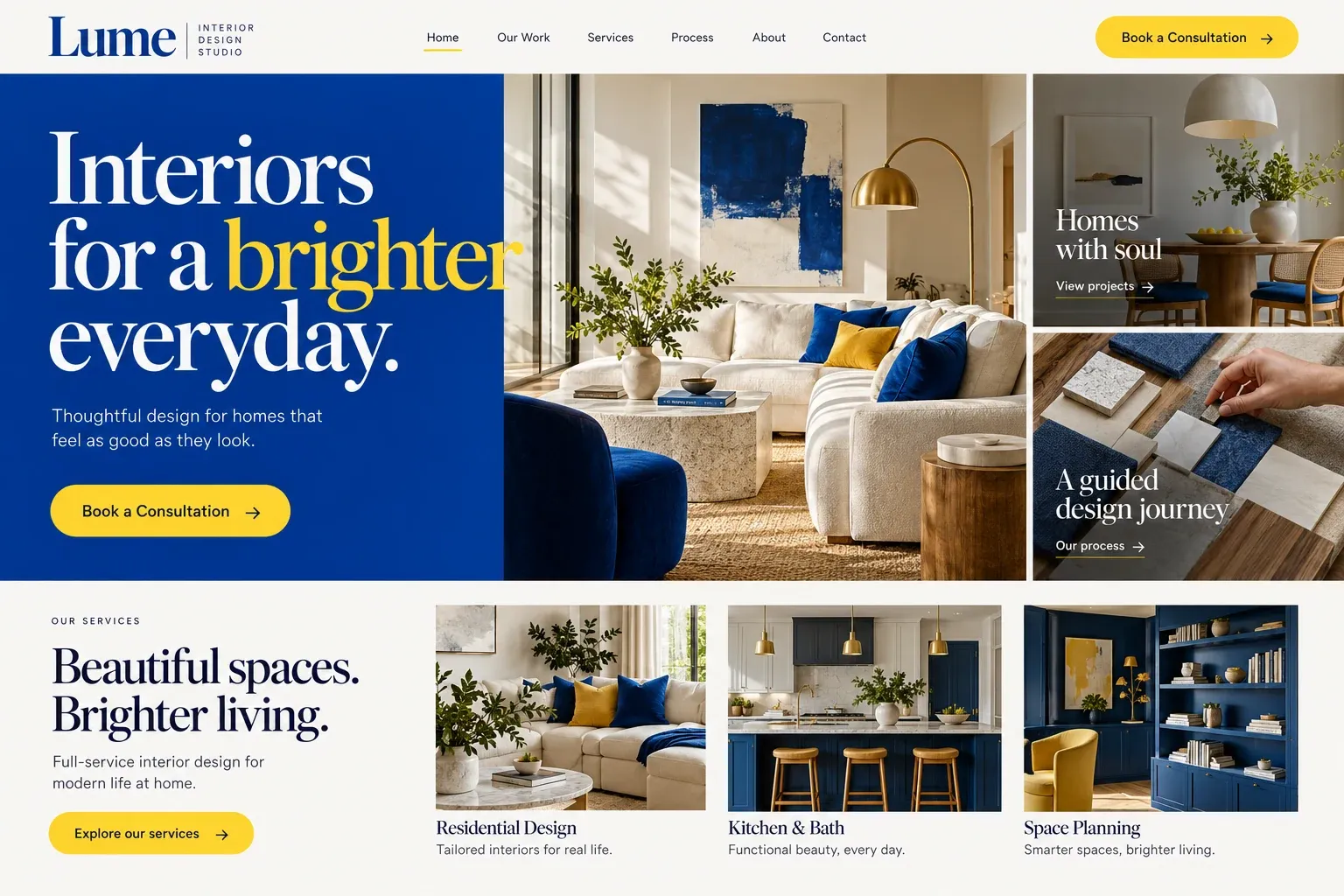
Fictional architects website homepage design concept
A design concept for a fictional brand. Your site is designed from scratch around yours.

Your customer's story

The narrow lot nobody else wanted

Javier and Lena have finally bought land in Coconut Grove: a narrow lot with two old oak trees and a slope toward the street. Their builder friend says they need an architect before anything else. Every evening for a week they scroll through architecture sites on the couch, saving images of white boxes and shaded porches into a shared folder that grows more confusing by the day.

Most portfolios show beautiful photographs and a single line: residence, 2023. They cannot tell whether those architects would care about the oaks. One studio is different. Each project opens with the problem: a tight site, a family that cooks outdoors, a flood elevation that lifted the house. Then it shows how the design answered, with sketches, plans, and photographs side by side.

The studio's inquiry form asks what they hope the house will feel like, how they live day to day, and what they know about the lot. Lena writes three paragraphs about the trees. An architect's website does its best work when it lets clients see the reasoning, not just the result, and invites them to share the brief they have been carrying around in their heads.

Why it matters

Why architects need a website.

Architecture is chosen slowly and personally. Homeowners, developers, and institutions spend weeks looking at work before they reach out, and they often arrive through a referral that sends them straight to your site. A social feed shows striking images but strips away the context that makes them meaningful: the site, the constraints, the client's wishes, and your response. Publications and design directories are welcome, but they are not a place to explain how you work.

We design architecture websites that let the work breathe and then explain it. Large images sit beside short project narratives about the brief and your design response. A services page walks through the stages, from feasibility and schematic design to permitting and construction administration, so clients understand what they are hiring. The project inquiry asks about aspirations as well as the site, scope, and timing, and every line of copy is yours to approve.

What your customers search for

  • architect near me
  • residential architect Miami
  • modern house architect
  • architect for home addition
  • commercial architect Miami
  • how much does an architect cost

Your customers

What clients look for before calling an architect

  • Will this architect listen to us?

    Project stories that start with each client's brief and show how the design responded, so visitors can see your thinking, not just your style.

  • What does an architect actually do?

    A services page that explains each phase in ordinary words, from early feasibility through drawings and permits to visits during construction.

  • Have you worked on a site like mine?

    Projects filtered by type and setting: new homes, renovations, waterfront lots, historic districts, and commercial or civic work, as your portfolio allows.

  • Who will we be working with?

    Profiles of the principals and team, with their roles, backgrounds, and license details, so clients know who leads the project day to day.

What we build

What a website for architects should include.

  • Project narratives

    Each project paired with a short story of the brief, the constraints, and the design response, beside photographs, sketches, and plans.

  • Image-first portfolio

    Large, fast-loading galleries that respect your photographer's work on any screen, with captions that credit the team and photographer.

  • Service stages

    Feasibility, schematic design, design development, construction documents, permitting, and construction administration, explained in the order clients experience them.

  • Practice philosophy page

    A short, honest statement of what the studio cares about, written with you, without the jargon of a competition entry.

  • Project brief form

    Questions about the site, the scope, how the client lives or works, the feeling they want, and timing, with room for inspiration images.

  • Press and publications

    Articles and publications that featured your work, listed with links, plus any recognition you have actually received.

Planning guide

How should an architecture firm present its work online?

Architects often have the best photographs of any business and the least explanation around them. A strong architecture website keeps the images and adds the reasoning, the process, and a clear way to begin. This guide covers how to structure the portfolio, explain your services, receive inquiries, and help the right clients find the studio.

Tell the story behind each project

A project page should open with what the client asked for and what stood in the way: a small lot, a strict design review board, a flood elevation, a tight budget. Then show the response in photographs, sketches, and a plan or two. Credit the photographer and your collaborators, and state your role honestly if another firm was architect of record. Fewer projects told well beat a long grid of thumbnails.

Explain the stages of working together

Many clients have never hired an architect and do not know what the fee covers. A services page that walks through each stage, from feasibility and schematic design to construction documents, permitting, and visits during construction, sets expectations early. Say what the client decides at each point and where engineers, surveyors, and contractors come in. If you offer partial services, such as permit drawings only, say so plainly.

Invite a real brief, not a lead

A good project inquiry feels like the start of a design conversation. Ask about the site and its address, the type and size of the project, how the client lives or works, what they want the place to feel like, and their timing. Leave room for inspiration images or a link to a saved board. The answers help you judge fit and arrive at the first meeting prepared.

Developers and institutions may prefer a direct email and a phone number for a principal. A simple page for professional inquiries, listing the building types you take on and the regions you work in, gives them what they need without the residential questions. Include any public or institutional work you can describe, with your role stated.

Help clients searching nearby find you

Clients search for architects by place and project type: residential architect Miami, modern home architect, architect for a renovation in Coral Gables. Project pages tagged by area and type, and service pages written in plain words, give search engines clear topics. Keep your details consistent with your Google Business Profile and ask clients from finished projects to review the practice. Nothing promises a ranking, but a well-structured portfolio gives a good studio a fair chance to be found.

In your market

Built for architecture in South Florida

Designing here means answering to sun, water, and wind. Projects in Miami-Dade and Broward fall within the high-velocity hurricane zone of the Florida Building Code, many lots sit in flood zones that set floor elevations, and historic districts in places like Miami Beach and Coral Gables bring their own design reviews. Clients often include families relocating from abroad and developers working in two languages. We write pages that speak to these conditions and can add a Spanish version.

Questions

Questions architects ask us.

How many projects should an architect show on the website?

Enough to show range, and few enough to tell each one well. A handful of strong projects, each with a narrative and a full set of images, usually serves better than dozens of thumbnails. Unbuilt work and competition entries can appear too, clearly labeled as unbuilt.

Can we show projects where another firm was architect of record?

Yes, with your role stated accurately. Say whether you were design architect, architect of record, or a consultant, and credit the other firms involved. Clients and peers notice careful credits, and accurate roles protect your reputation. We write each project description from your notes, and you approve every line before it goes live.

Do architects need professional photographs for the portfolio?

They help a great deal for finished buildings, and photographers usually license images for specific uses, so check the terms before we publish. For work in progress, renderings, sketches, models, and construction photos are fine. We build the galleries to load quickly without washing out the detail your photographer captured.

Should our architecture site explain permitting and design review?

A short, general explanation helps, especially for homeowners new to the process. Describe how you prepare drawings for permit, when design review or historic preservation boards may be involved, and what clients can do to keep things moving. Specific rules belong in your conversation with each client, not on a marketing page.

Let's talk

Ready for a website built for architects?

Tell us about your business and we will come back with a clear recommendation and a fixed quote. No pressure, no jargon.

Trades we design for

See all 226 trades

226 trades

  • Plumbers website design concept
CallFree quote