Web design for bed-and-breakfast inns

Websites that feel like the welcome at the door.

Guests choose a bed-and-breakfast for the house, the hosts, and the breakfast table. They want to feel that welcome online, then find room details, house rules, and a booking link without hunting.

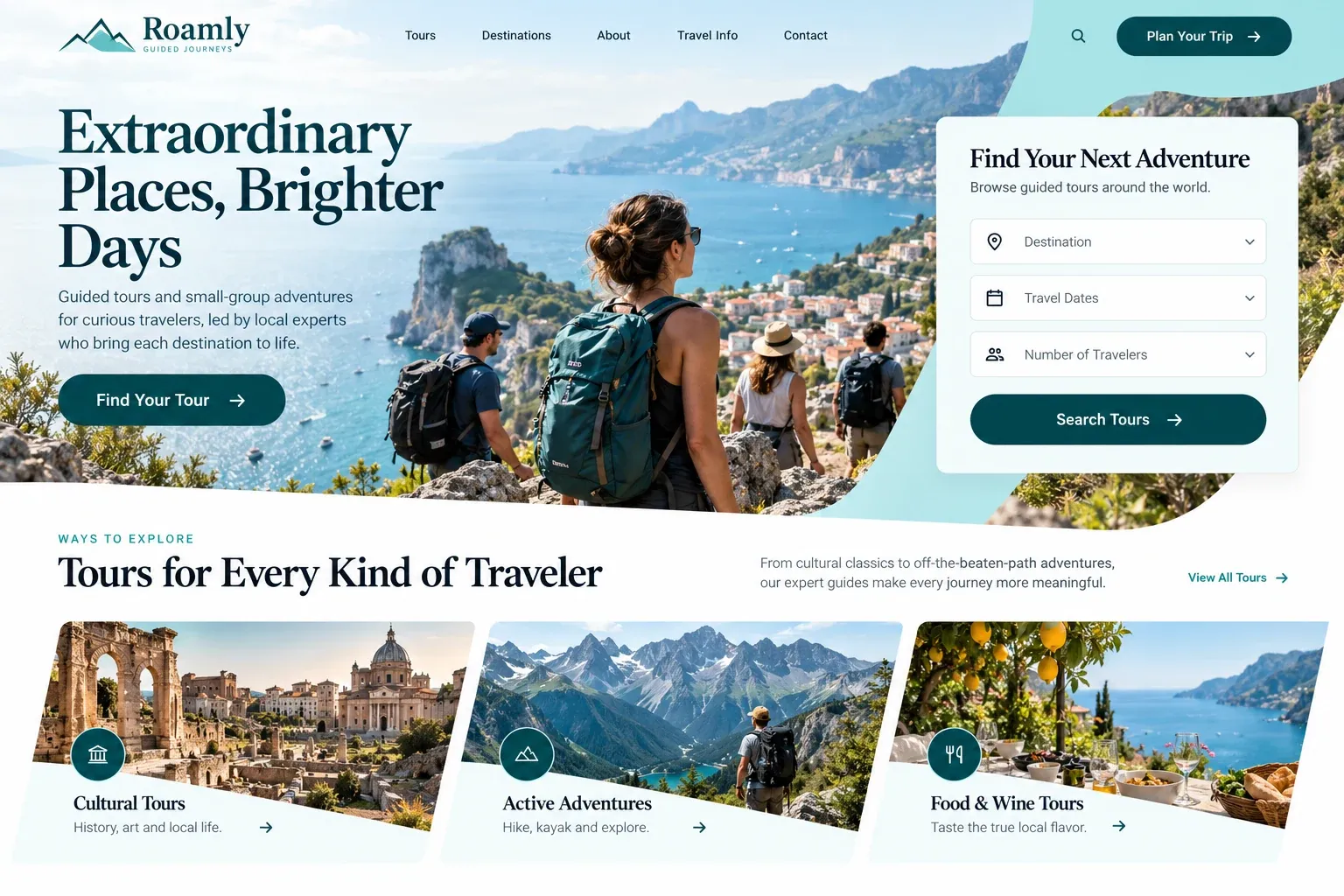
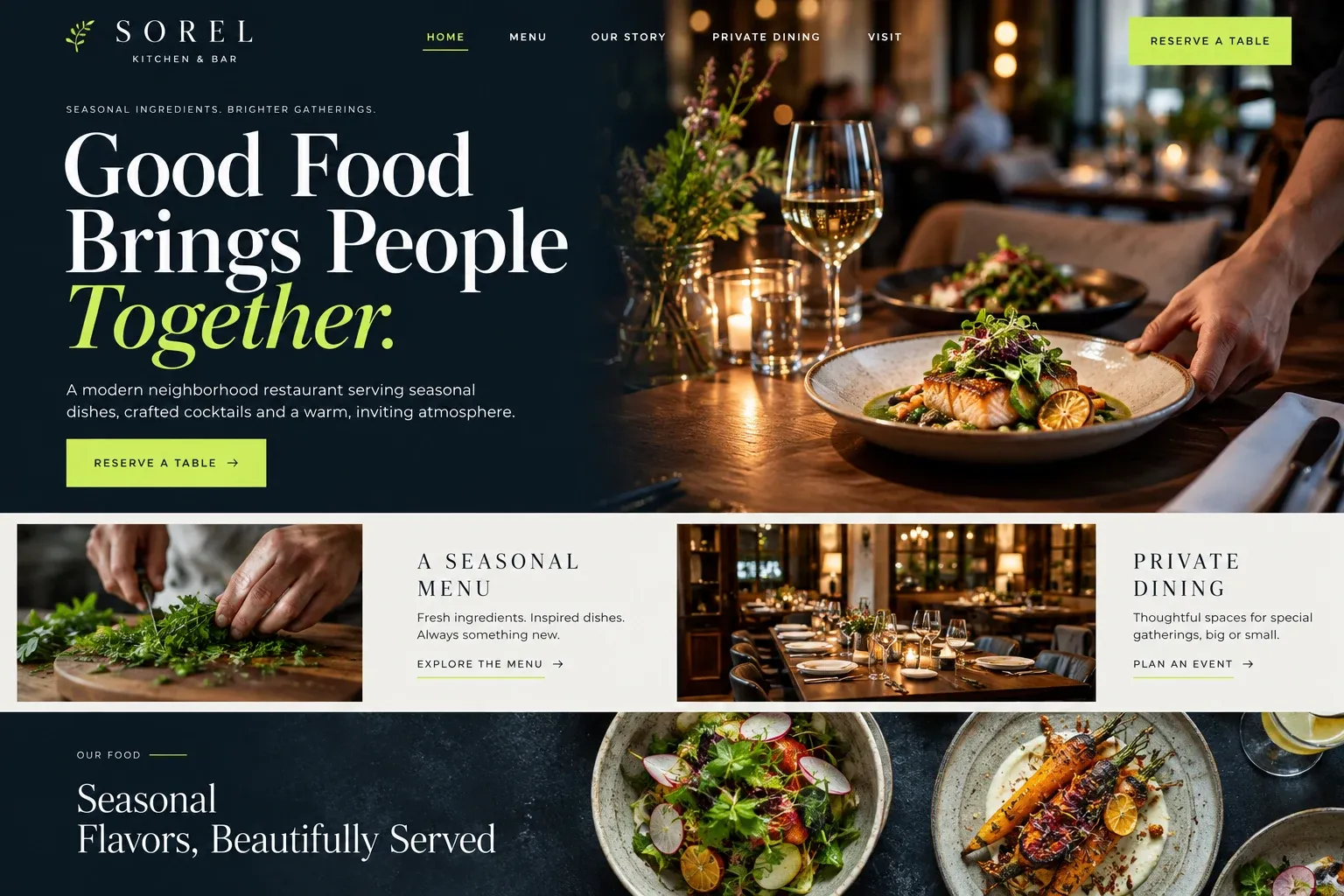
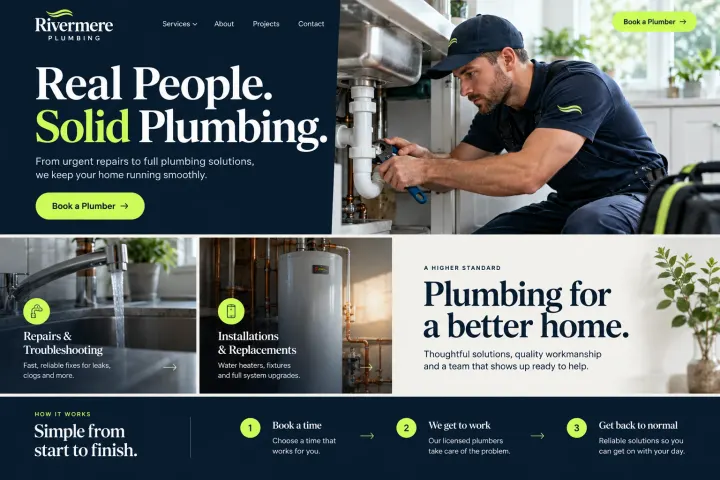
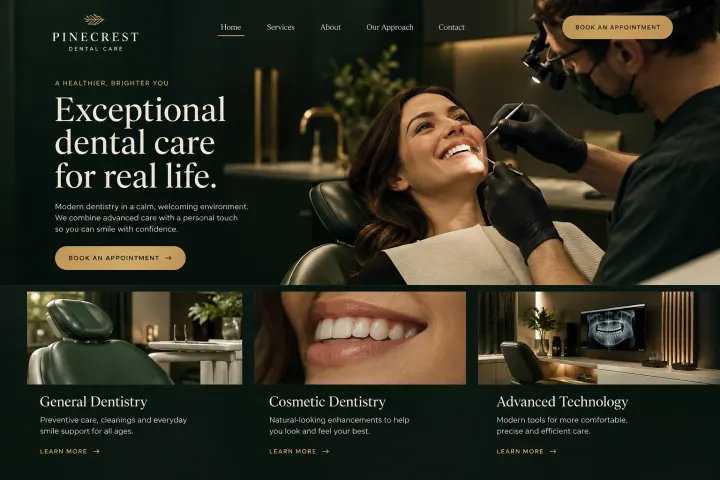
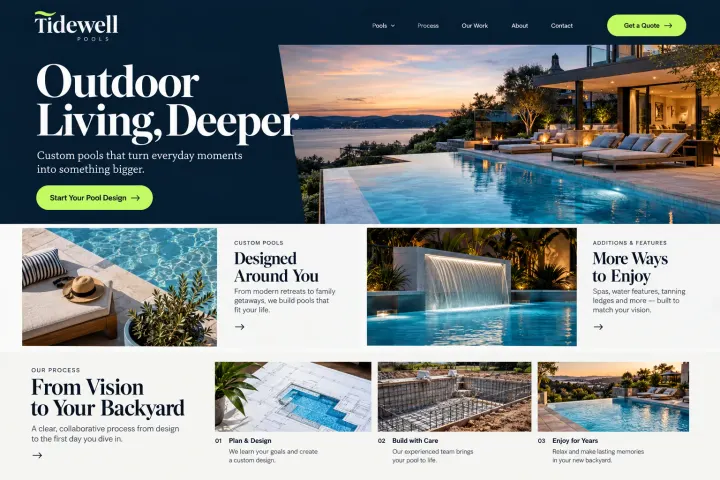
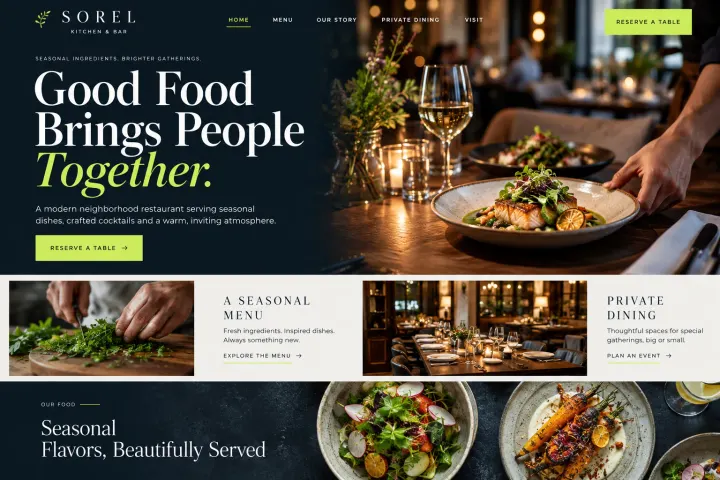
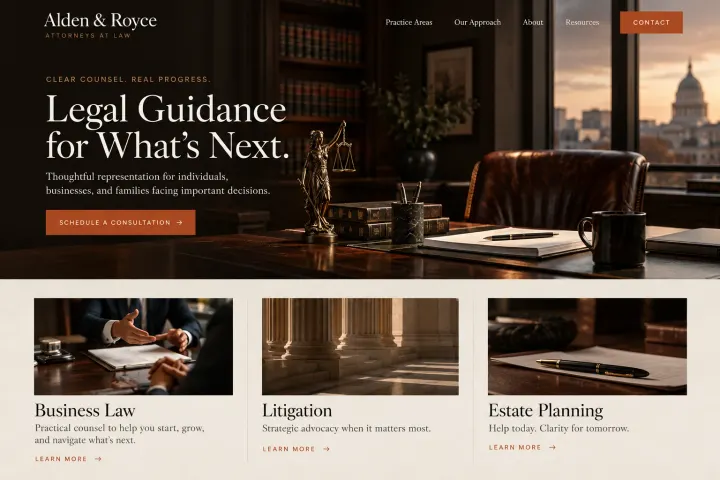
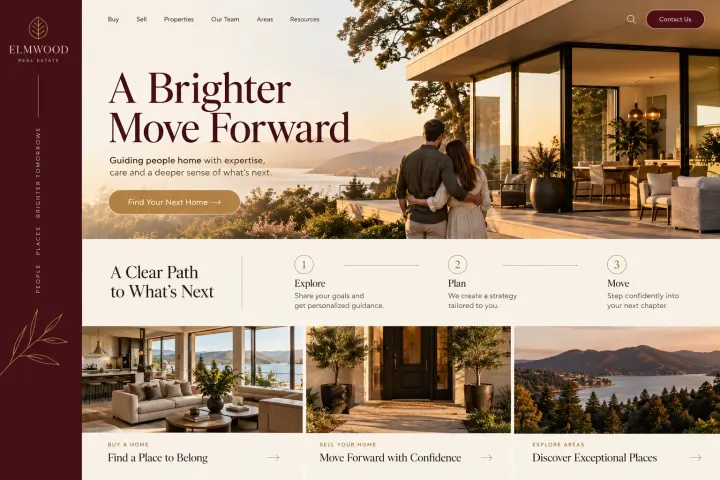
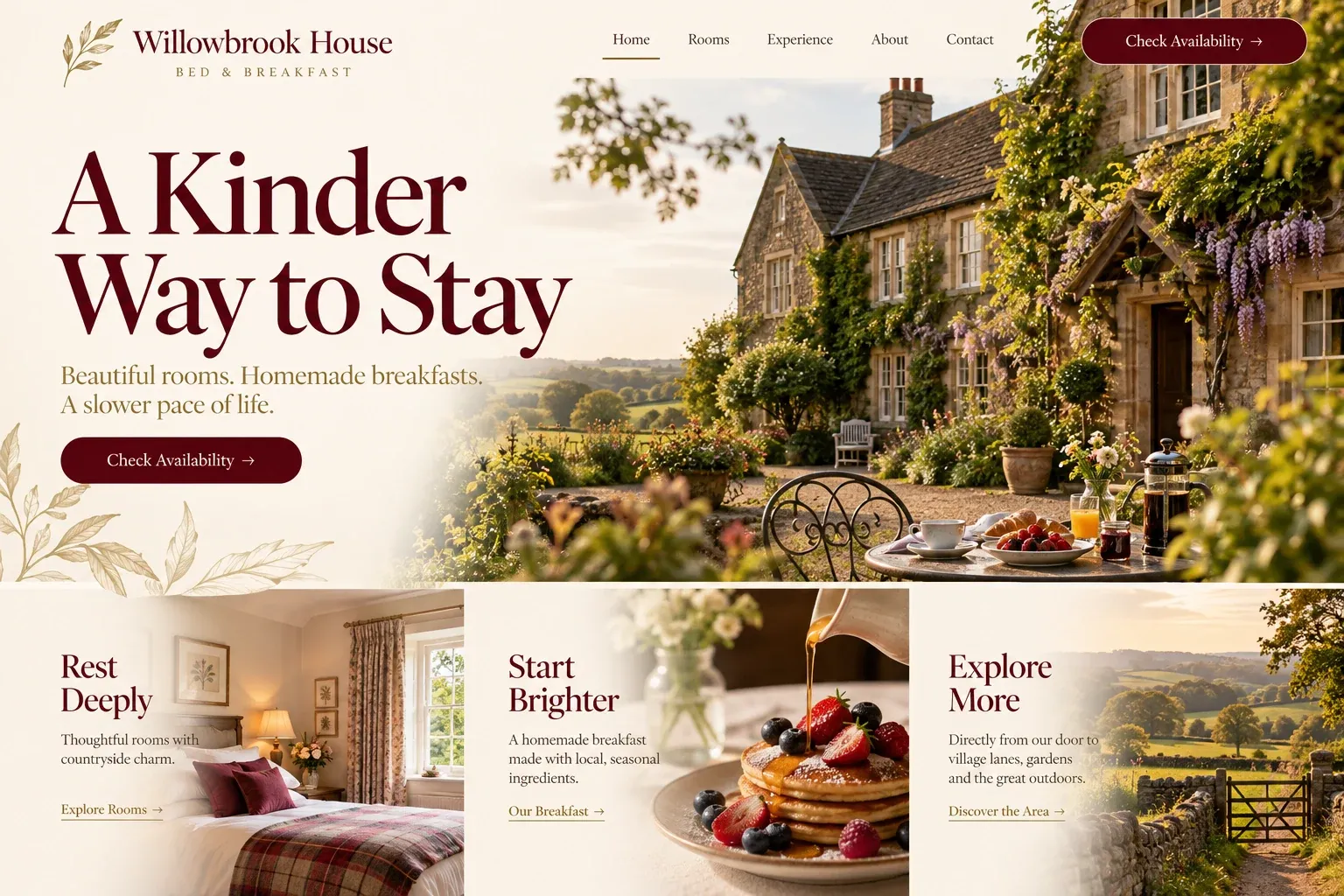
Fictional bed-and-breakfast businesses website homepage design concept
A design concept for a fictional brand. Your site is designed from scratch around yours.

Your customer's story

An anniversary weekend with character

Elena and Raj have been married ten years and have spent most of them in chain hotels on work trips. For the anniversary they want something different: a weekend in the Keys at a small inn with a porch, a garden, and a host who might recommend a quiet beach. Elena makes a list on her phone of guesthouses with good reviews and starts reading each website at lunch.

Some are a gallery of pretty rooms and a phone number. One inn tells the story of the house, built long ago and restored by the owners, and introduces them by name. Each room has its own page with photos, the bed size, whether it opens onto the garden, and how many stairs lead up to it. Breakfast is described, with times and a note about dietary requests.

There is a clear page on arrival, parking, check-in times, and house rules, including adults only and a quiet hour after ten at night. Elena books the garden room through the inn's reservation link. A bed-and-breakfast website should blend personality with practical details, so guests feel welcomed and informed long before they ring the bell.

Why it matters

Why bed-and-breakfast inns need a website.

Guests seeking a bed-and-breakfast are choosing character over convenience. They read about the house, the hosts, the rooms, and the breakfast, and compare a few inns carefully, often for a special occasion. Booking sites flatten every property into the same grid of photos and amenities. They cannot tell the story of the house or the hosts, and they take a commission on each stay.

We build bed-and-breakfast websites that let the personality show and the practical details stay easy to find. The story of the house and the hosts sits on its own page. Each room gets a page with photos, beds, views, and access notes. Breakfast, arrival, parking, and house rules are written plainly. Booking links to the reservation system you use, so availability stays accurate and guests can book directly.

What your customers search for

  • bed and breakfast near me
  • Key West guesthouse
  • romantic bed and breakfast Florida
  • adults only inn Florida Keys
  • historic inn near Miami
  • bed and breakfast with pool

Your customers

What guests want to know before booking a bed-and-breakfast

  • Which room is right for us?

    A page for each room with photos, bed size, bathroom type, view, stairs, and what makes it different from the others.

  • What is breakfast like?

    A description of breakfast with photos, serving times, where it is served, and how guests share dietary preferences before arrival.

  • Who are the hosts?

    A short story of the house and the people who run it, with photos, so guests know whom they will meet at the door.

  • What are the house rules?

    Check-in times, quiet hours, children and pet policies, minimum stays, and parking, stated warmly but clearly before booking.

What we build

What a website for bed-and-breakfast inns should include.

  • Story of the house

    The history of the property and the hosts, told in their own voice, with photos of the house and garden.

  • A page for every room

    Photos, bed size, bathroom, view, stairs, and amenities for each room, so guests choose the right one.

  • Breakfast and dining page

    What is served, when, and where, with photos and a simple way to mention dietary preferences when booking.

  • Arrival and house rules

    Check-in times, parking, key collection, quiet hours, and policies for children and pets, all on one page.

  • Direct booking link

    A clear Book now button connected to your reservation system, with availability and rates kept in one place.

  • Local experiences guide

    Beaches, restaurants, walks, and sights the hosts recommend, written as personal tips rather than generic lists.

Planning guide

What should a bed-and-breakfast website include?

A bed-and-breakfast website has to carry the warmth of the house and the clarity of a booking page. Guests want to meet the hosts, picture the room, and taste the breakfast, then find the rules and book without friction. Here is how we plan a bed-and-breakfast site, what to show, how booking should work, and how it helps guests find the inn.

Tell the story of the house

The house and the hosts are why guests choose an inn over a hotel. Write a short history of the property, how the hosts came to run it, and what they love about the area, in their own voice. Use photos of the porch, garden, common rooms, and the hosts themselves. Keep it honest: describe restorations and features as they are, without inventing history the house does not have.

Make every room easy to choose

Guests at small inns often book a specific room, sometimes returning to it year after year. Give each room its own page with photos from several angles, the bed size, bathroom type, view, number of stairs, and any special feature, such as a private balcony or a claw-foot tub. Explain which rooms suit couples, solo travelers, or longer stays, so guests can choose with confidence.

Breakfast deserves its own page too. Describe what is usually served, the serving times, and whether it is shared at a common table or served privately. Explain how guests can mention dietary preferences in their booking notes. Photos of a real morning spread on the porch or at the table tell guests more than any adjective could.

Connect booking and explain the rules

Most inns use a reservation system for rates and availability. The website should link to it or embed it, with a Book now button on every room page. Put arrival details and house rules on one clear page: check-in times, key collection, parking, quiet hours, minimum stays, and policies for children and pets. Clear rules reduce awkward conversations and help guests who are a good fit choose you.

Help travelers discover the inn

Guests search for bed-and-breakfasts by town, by occasion, and by style, such as a romantic inn or a historic guesthouse. Pages for nearby attractions, seasonal events, and the hosts' recommendations give search engines more to match. Keep your details consistent with your Google Business Profile, add photos there, and reply to reviews in a personal voice. This gives a lovely inn a fair chance to be found, without promises.
In your market

Built for bed-and-breakfasts in South Florida

Small inns and guesthouses here, from historic homes in the Keys to garden retreats on the mainland, attract couples, winter visitors, and travelers looking for something more personal than a resort. Guests ask about air conditioning, pools, parking, and how close the inn is to the water. Between June and November, guests also want to know how the inn handles a storm warning. Many visitors come from Latin America and Europe. We can add a Spanish version of the site and present local tips as the hosts would share them.

Questions

Questions bed-and-breakfast inns ask us.

Can our bed-and-breakfast website connect to our reservation system?

Yes. The Book now buttons link to or embed the reservation system you already use, so rates, availability, and payments stay there. We place the buttons on every room page and the home page, and style them to match the feel of the site.

Should each room at our inn have its own page?

Yes. Guests often choose a specific room, and returning guests ask for the same one. A page per room with photos, bed size, bathroom, view, and stairs answers their questions and gives search engines more to match, such as a room with a garden view.

How personal should a bed-and-breakfast website be?

Personal enough that guests feel they know the hosts, and practical enough that they can book easily. We write the story of the house and the hosts in their own voice, then keep rooms, rules, and booking clear and simple to find.

Can guests mention dietary needs for breakfast on the website?

Yes, through the booking notes or a short pre-arrival form that asks only about breakfast preferences, such as vegetarian or no dairy. We keep it simple and avoid collecting detailed health information, and you decide what the inn can accommodate.

Let's talk

Ready for a website built for bed-and-breakfast inns?

Tell us about your business and we will come back with a clear recommendation and a fixed quote. No pressure, no jargon.

Trades we design for

See all 226 trades

226 trades

  • Plumbers website design concept
CallFree quote