Web design for cosmetic surgery practices

Cosmetic surgery websites built for a considered choice.

Patients think about cosmetic surgery for months, sometimes years, before they request a consultation. They read every page, compare surgeons quietly, and choose the practice that answers hard questions honestly instead of rushing them.

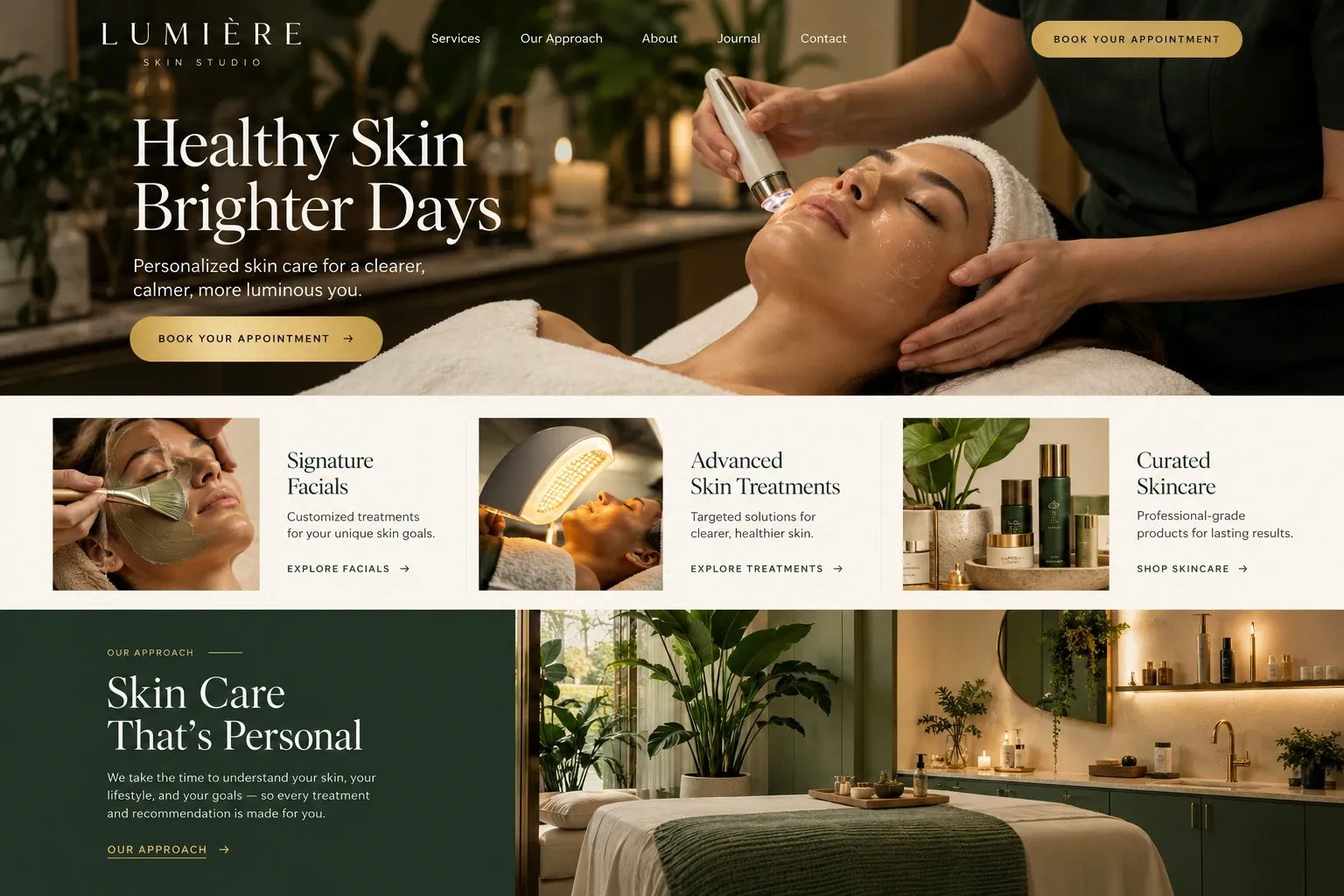
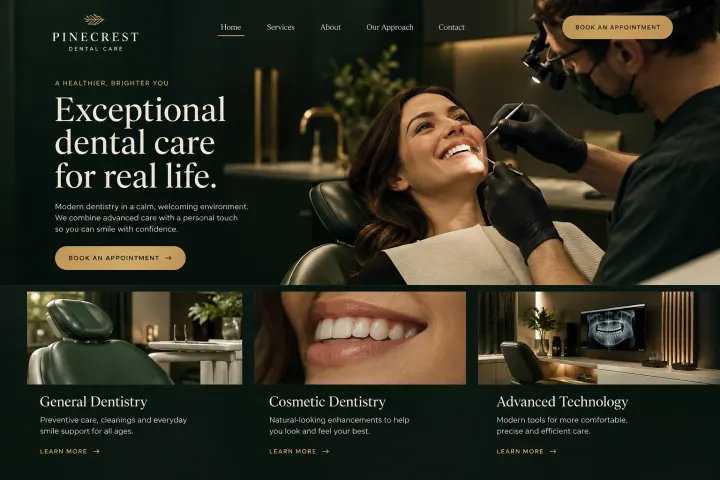
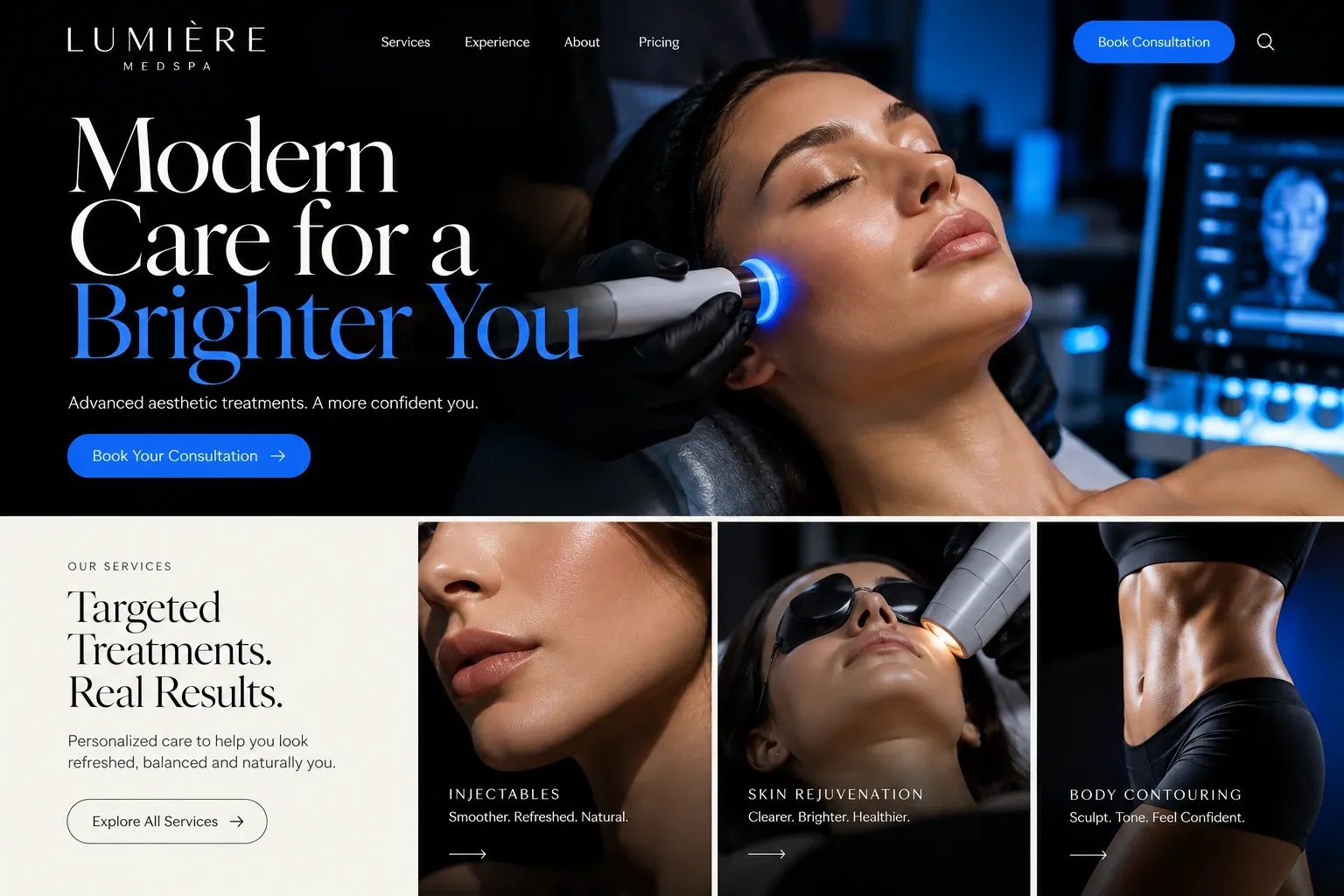
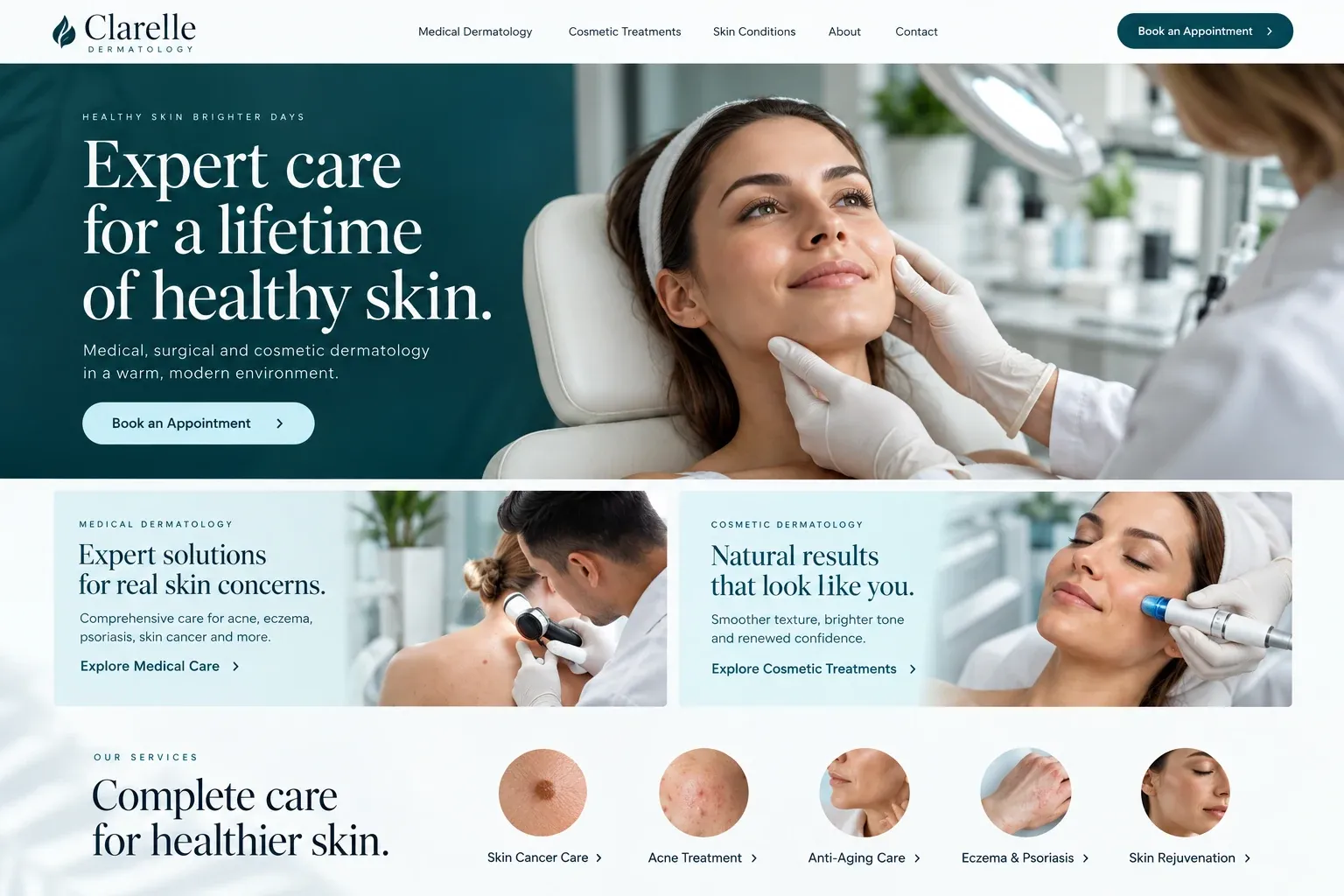
Fictional cosmetic surgery practices website homepage design concept
A design concept for a fictional brand. Your site is designed from scratch around yours.

Your customer's story

Two years of thinking, one evening of reading

Rebecca has been thinking about a tummy tuck since her second child was born. Tonight, with the house quiet, she finally starts reading. She lives in Atlanta, but her sister lives in Miami, and recovering at her sister's place sounds better than recovering alone at home. She searches for surgeons in Miami and starts a note on her phone with names.

Some sites shout about limited-time offers and show a countdown clock. Others post galleries with no context and no word on who did the work. One practice stands out: the surgeon's training and board certification are stated in a sentence she can check, the consultation is explained step by step, and the gallery notes that each photo is shared with the patient's consent and shows one person's result.

It also has a page for patients traveling from out of town, explaining virtual first consultations and how long to plan to stay nearby. She sends a short inquiry with her name, email, and the procedure she is curious about. A cosmetic surgery website earns that inquiry with patience and accuracy, giving a careful person room to decide instead of pressure.

Why it matters

Why cosmetic surgery practices need a website.

Cosmetic surgery is a researched decision with a long tail. Patients watch videos, read forums, and compare surgeons' credentials, galleries, and reviews long before they call. Social media brings attention, but a feed of results cannot explain training, the consultation, recovery planning, or how suitability is discussed. When a patient is ready to look closely, the website is the place where they judge whether a practice is careful.

We build cosmetic surgery sites that reward close reading. The surgeon's background is stated accurately, with credentials named exactly as they are held. Each procedure gets a calm page written from your notes and approved by the surgeon, with no promised results. Galleries use only images you supply with consent, labelled as individual results, and the inquiry form asks for contact details and an area of interest, never medical history.

What your customers search for

  • plastic surgeon Miami
  • board certified plastic surgeon near me
  • tummy tuck consultation
  • rhinoplasty surgeon
  • breast augmentation before and after
  • virtual plastic surgery consultation

Your customers

What patients weigh before choosing a cosmetic surgeon

  • Who exactly is the surgeon?

    Training, board certification, hospital privileges, and areas of focus stated in plain words, with nothing implied beyond what the surgeon actually holds.

  • Do the results look like real people?

    Galleries organized by procedure, every photo shared with written consent and labelled as one patient's individual result, with notes on how the photos were taken.

  • What happens at the consultation?

    A step-by-step page covering in-person and virtual consultations, what to bring, who you meet, and how the surgeon discusses whether a procedure suits you.

  • Can I do this from out of town?

    A travel page explaining virtual first meetings, how long to plan to stay nearby, and the local arrangements your practice suggests for the recovery period.

What we build

What a website for cosmetic surgery practices should include.

  • Surgeon credentials page

    Education, training, board certification, and memberships named exactly, with links where patients can verify them for themselves.

  • Consented photo galleries

    Before and after images grouped by procedure, each shared with permission and labelled as an individual result, never as a promise.

  • Procedure pages

    Face, breast, and body procedures each explained calmly, with what the consultation covers and the general shape of recovery, approved by the surgeon.

  • Virtual consultation route

    A link to your video consultation tool and a clear explanation of how remote first meetings work for patients outside Miami.

  • Out-of-town patient guide

    Planning notes your practice approves, from how long to stay nearby to coordinating follow-up after a patient returns home.

  • Discreet inquiry form

    Name, email, phone, and procedure of interest only. Photos and health history are handled later through your secure systems.

Planning guide

What should a cosmetic surgery website show before a consultation?

A cosmetic surgery website is read slowly and more than once. Patients come back to it across weeks of thinking, and each visit either builds confidence or raises doubts. This guide covers the pages a practice needs, how to present photos and credentials honestly, how inquiries should work, and how a practice is found by people researching surgeons.

Put the surgeon's background at the center

Patients choose a surgeon before they choose a procedure. A strong surgeon page covers medical school, residency, fellowship where relevant, board certification named exactly, hospital privileges, and the procedures the surgeon focuses on. Link to places where credentials can be checked. Avoid vague titles or memberships that sound larger than they are, because careful patients notice, and accuracy is part of what you offer.

Present before and after photos responsibly

Galleries are among the most visited pages on a cosmetic surgery site, so handle them with care. Use only photos you supply with each patient's written consent for web use, crop or hide identifying features as agreed, and label every set as one patient's individual result. Group them by procedure, keep lighting and angles consistent where possible, and leave out captions that promise similar results to anyone else.

Explain the consultation and the inquiry

The consultation is what the website is really leading to, so describe it fully: how to request one, whether it happens in person or by video, who the patient meets, what is discussed, and how the surgeon talks about suitability. Say plainly that some people are told a procedure is not right for them. That honesty is part of a careful practice's reputation.

The inquiry form should be short and discreet: name, email, phone, the procedure of interest, and whether the patient lives locally. Medical history, photos, and measurements belong in your secure patient systems later, not in an ordinary website form. A visible phone number serves patients who would rather speak to a coordinator before writing anything down.

Be findable by procedure and by city

Patients search for a procedure plus a place, such as rhinoplasty in Miami, and for a surgeon's name after hearing it from a friend. A page for each procedure matches the first kind of search, and a clear surgeon page matches the second. Keep your Google Business Profile accurate, show genuine reviews, and add a page for out-of-town patients. No website can promise rankings, only a fair chance at them.
In your market

Built for cosmetic surgery in South Florida

Miami draws cosmetic surgery patients from across the United States, Latin America, and the Caribbean, so many practices serve people who fly in, recover nearby, and fly home. Patients compare surgeons carefully in a crowded market and look for clear information about recovery stays and follow-up. Many prefer to read in Spanish or Portuguese. We write calm, accurate pages for local and traveling patients alike, and can add a Spanish version of the full site.

Questions

Questions cosmetic surgery practices ask us.

How do you handle before and after galleries for a plastic surgery practice?

We publish only images you supply, each with the patient's written consent for online use. Every set is labelled as an individual result, grouped by procedure, and captioned factually. We avoid wording that suggests other patients will look the same, and we can blur or crop identifying features to the extent each patient has agreed.

Can patients book a virtual cosmetic surgery consultation through the site?

Yes. If you use a video consultation tool or a scheduling system with remote appointments, the site links to it or embeds it. The inquiry form itself stays short, with contact details and the procedure of interest, so medical questions and photos are handled through your secure systems after first contact.

Should the surgeon write their own biography for the website?

The surgeon's notes are the starting point. We shape them into a readable page, keep every credential named exactly as it is held, and add links where patients can verify them. The surgeon approves the final wording, and nothing is added that suggests training, awards, or affiliations the surgeon does not have.

Can the site serve plastic surgery patients from Latin America?

Yes. We can build a Spanish version of every page, including procedure descriptions, the consultation guide, and the travel page. Many practices also note which coordinators speak Spanish or Portuguese and offer a WhatsApp link for first questions, with a reminder that medical details should not be sent that way.

Let's talk

Ready for a website built for cosmetic surgery practices?

Tell us about your business and we will come back with a clear recommendation and a fixed quote. No pressure, no jargon.

Trades we design for

See all 226 trades

226 trades

  • Plumbers website design concept
CallFree quote