Web design for graphic designers

Portfolio websites for graphic designers.

Clients rarely doubt that a good designer can make something attractive. What they wonder is whether that same thinking will work for their business, their audience, and the materials they actually need.

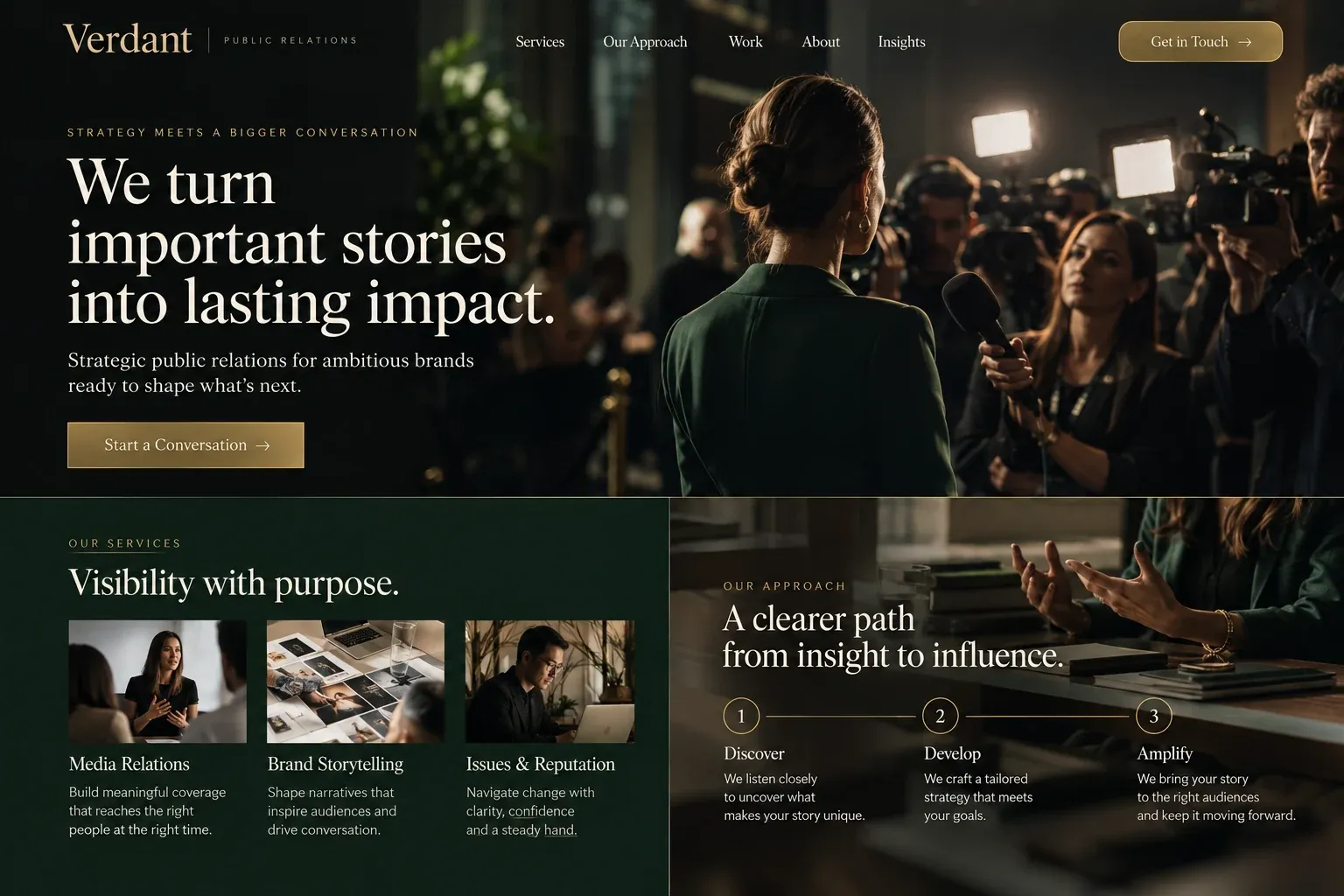
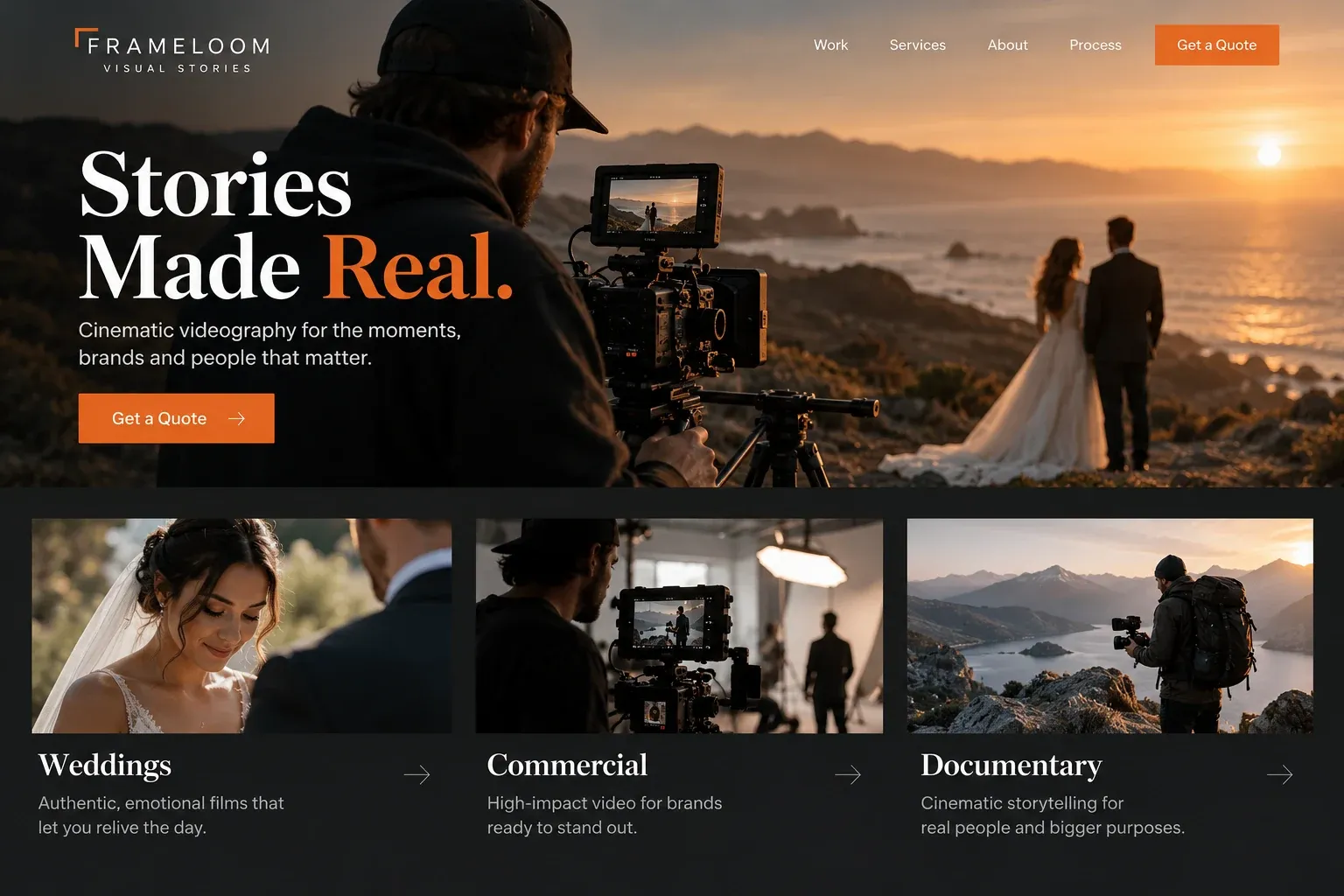
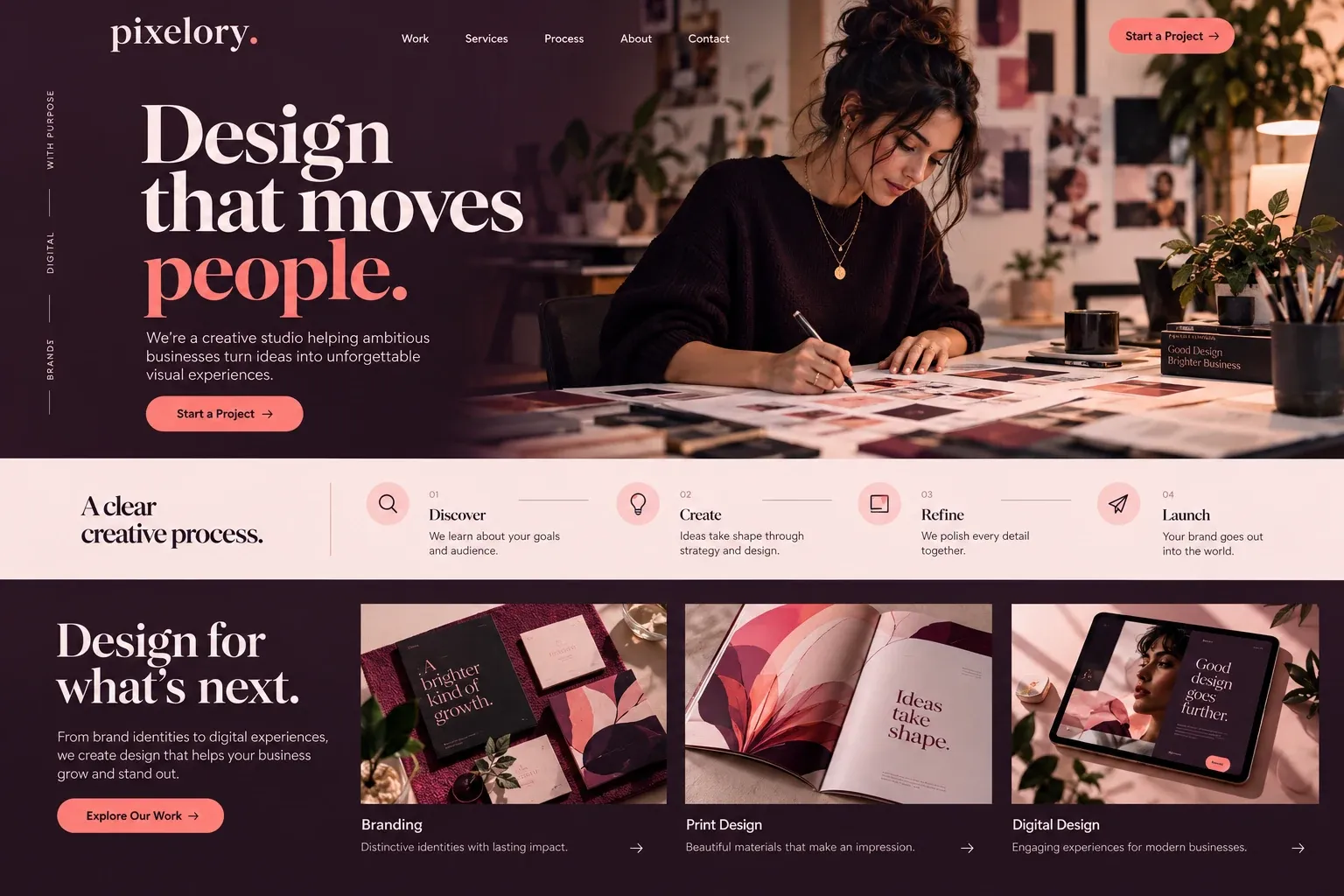
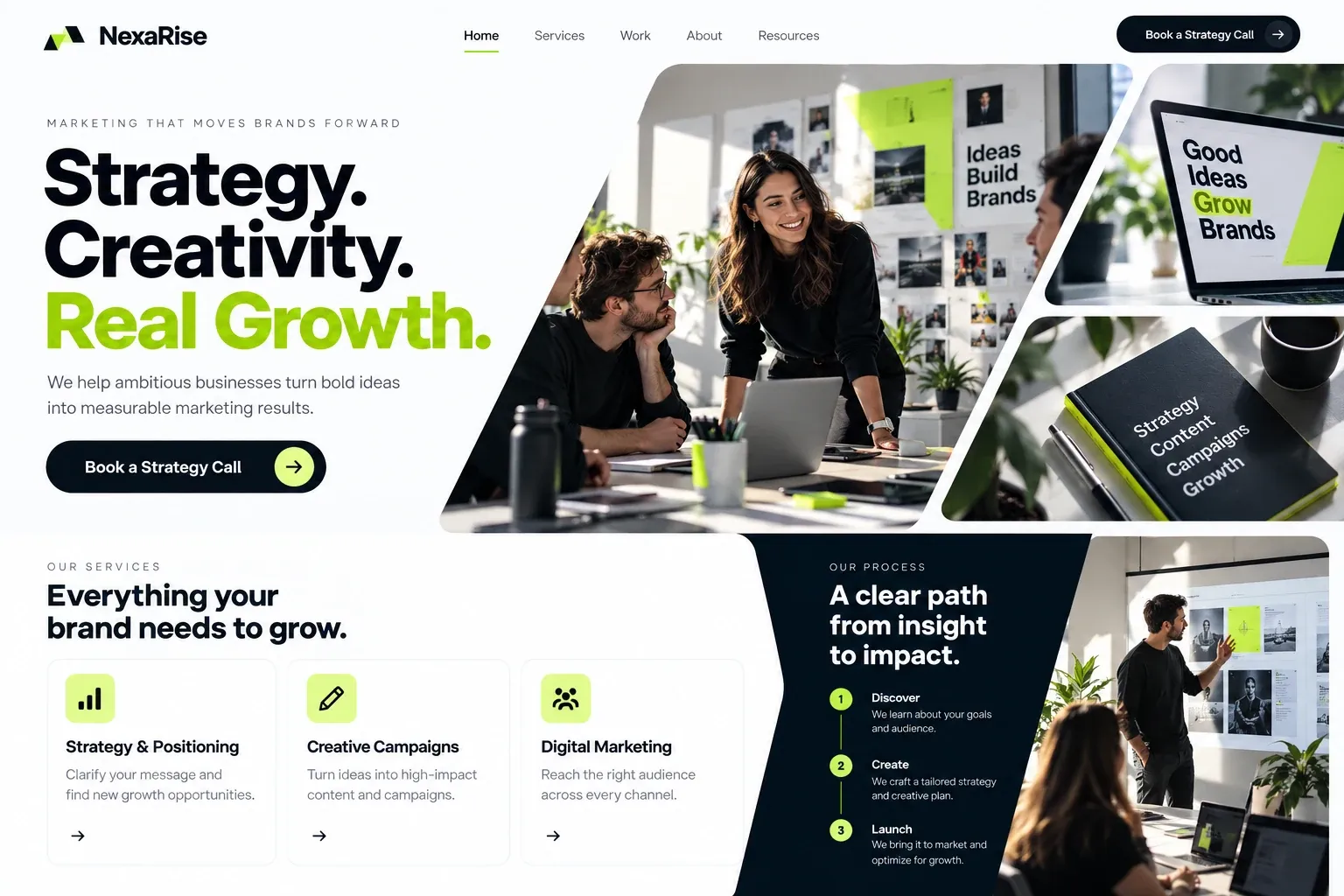
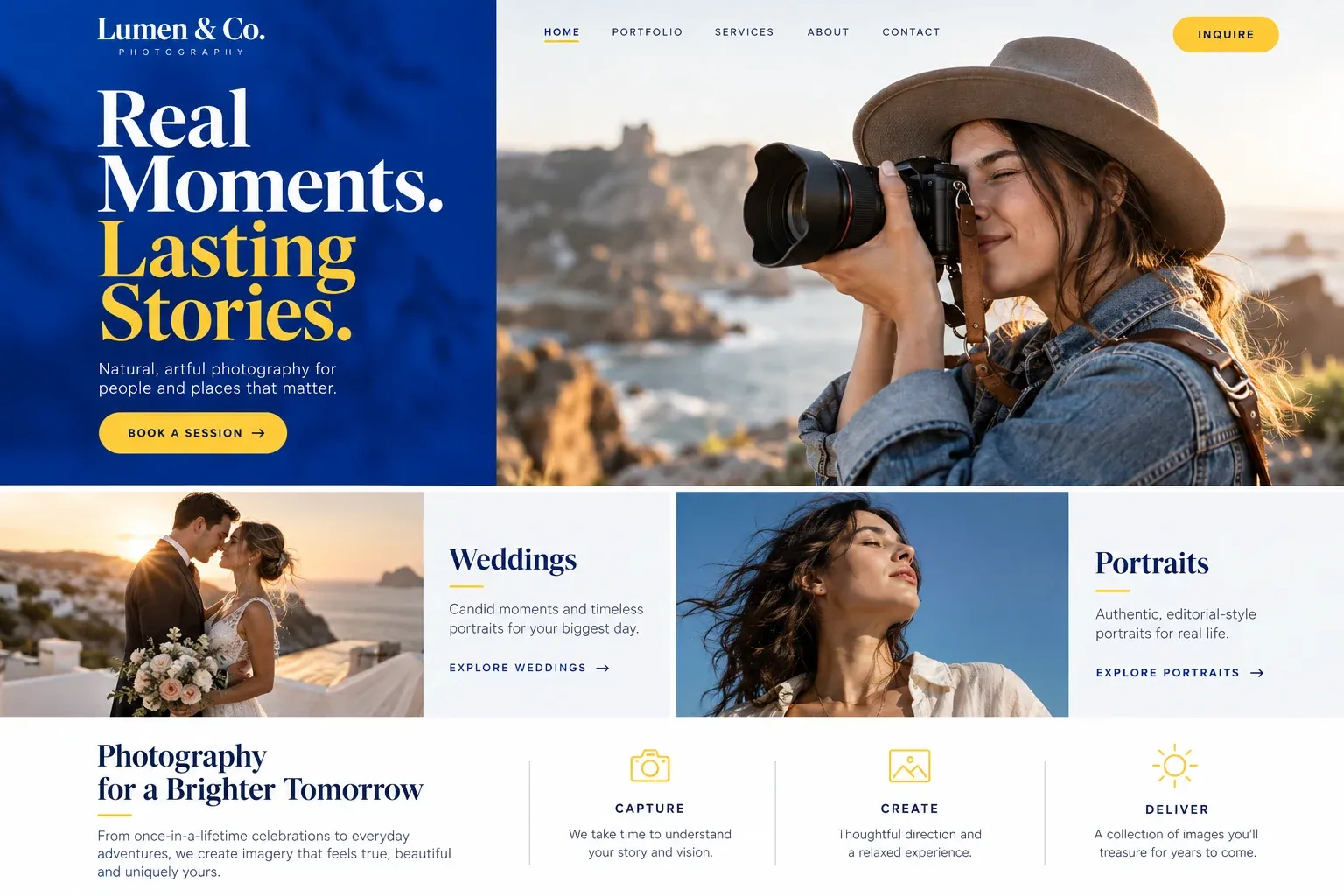
Fictional graphic designers website homepage design concept
A design concept for a fictional brand. Your site is designed from scratch around yours.

Your customer's story

A bakery owner outgrows her homemade logo

Teresa opened her bakery with a logo her nephew made in an afternoon. Three years later she is adding a second location and a wholesale line, and the old mark looks blurry on the new delivery van and illegible on a small box sticker. A friend suggests hiring a real designer. Teresa has no idea what that involves, so she starts searching after closing.

Portfolio after portfolio shows beautiful logos floating on gray backgrounds. She likes several, but none of them tells her whether the designer has worked with food, what the client asked for, or what was handed over at the end. Then she finds one designer whose projects read like short stories: the problem, the audience, two directions that were explored, and the final system on cups, signs, and labels.

That designer's inquiry form asks who her customers are, where the brand will appear, and what she needs first. Answering it helps Teresa think. By the time she presses send, she trusts the person on the other end to ask good questions. A graphic designer's website should work the same way, showing the reasoning behind the work and inviting the kind of brief that leads to good projects.

Why it matters

Why graphic designers need a website.

Design clients come from everywhere: referrals, Behance, Dribbble, Instagram, and searches like "brand identity designer" or "logo designer for restaurants". Wherever they start, they usually check your own website before they write. Platform profiles show thumbnails in someone else's layout, beside other designers. Only your site can tell the story of a project, separate your services, and show that you can present a brand as carefully as you make one.

We build designer portfolios that stay out of the work's way. Layouts are quiet and typographic, so your projects carry the color. Each case study pairs images with the brief, your decisions, and the deliverables. Services are split into identity, print, and digital where that fits your practice. The inquiry reads like a short creative brief, and because you may work with clients in other cities, nothing on the site assumes a local meeting.

What your customers search for

  • graphic designer for businesses
  • logo and brand identity design
  • freelance graphic designer
  • restaurant menu design service
  • brand guidelines designer
  • product label design

Your customers

What clients look for before hiring a graphic designer

  • Can you handle a brand like mine?

    Case studies grouped by industry or type of work, each opening with the client's situation so visitors can spot a problem that looks like theirs.

  • What exactly will I receive?

    Deliverables described plainly: logo files in which formats, color and type guidance, a brand guide, print-ready artwork, and social templates where you offer them.

  • How do revisions work?

    A process page showing discovery, concepts, rounds of refinement, and final handoff, with how many directions you usually present and when feedback is due.

  • Do you only do logos?

    Separate service pages for identity, print, signage, labels and boxes, presentation decks, and digital graphics, so a visitor sees the full range at once.

What we build

What a website for graphic designers should include.

  • Case study layouts

    Brief, audience, process sketches, and final applications on one page, so each project explains what you contributed.

  • Service categories

    Identity, print, environmental, and digital work separated, each with examples and the kinds of clients it suits.

  • Deliverables in writing

    A plain list of the files, guides, and formats a client receives for each type of project you take on.

  • Creative brief inquiry

    Questions on audience, where the design will live, existing assets, and deadlines, so the first call starts from substance.

  • Quiet, image-first design

    Neutral layouts and careful typography that frame your work instead of competing with it, sharp on retina screens.

  • Remote-friendly contact

    A calendar link for video calls and clear notes on how you collaborate with clients in other cities or countries.

Planning guide

How should a graphic designer structure a portfolio website?

Most designers treat their site as a gallery. Clients use it as an interview. They are looking for evidence that you listen, think, and finish, and for a clear way to start a project with you. This guide walks through the pages to build, how to write up projects, how to shape the inquiry, and how strangers find you.

Fewer projects, told properly

Pick six to ten projects that represent the work you want to do next, and write each one up as a short case study. Open with the client's situation in a sentence or two, show early sketches or rejected directions if you have them, then the final work in use: on a storefront, a menu, a phone screen. Close with the deliverables. Visitors remember a story far longer than a grid of logos.

Split services the way buyers think

A restaurant owner looking for a menu redesign and a startup founder looking for a brand identity are different buyers. Give identity, print, signage, labels and boxes, and digital graphics their own pages if you offer them, each with relevant examples. Say who each service suits and what a typical engagement includes. If you specialize, say so plainly, since a focused designer is easier to recommend.

Make the inquiry a short brief

A form that asks only for a name and a message gets messages like "how much for a logo". Ask instead about the business, its audience, where the design will be used, what already exists, and the deadline. Offer a field for links to brands they admire. These questions filter out poor fits and show serious clients that you think before you draw.

Explain what happens next: a reply within a stated time, a discovery call by video, and a written proposal. If you work with clients far away, say how you handle reviews and approvals remotely, whether through shared boards, a client portal, or simple PDFs. Clear next steps make it easier for a busy owner to commit to the first conversation.

Be findable beyond the design platforms

Design clients often search by specialty or industry, such as "brand identity for restaurants" or "wine label designer". Service pages and case studies written in those words give Google something to match. Link your site from Behance, Dribbble, LinkedIn, and your email signature, and ask past clients if you may name them. If you also want local work, a Google Business Profile helps nearby owners find you.
In your market

Built for a design practice with clients anywhere

Graphic design is a trade where the client can be across town or across the country. Work is reviewed on screens, files travel by link, and many designers keep long relationships with clients they have never met in person. That makes the website your studio, office, and first meeting at once. WebsiteTek is based in Miami and works with designers anywhere by phone, video, and email, and we can add a Spanish version for bilingual clients.

Questions

Questions graphic designers ask us.

How many projects should a graphic designer's portfolio include?

Fewer than most designers think. Six to ten well-explained projects usually say more than forty thumbnails. Choose work that matches what you want to be hired for next, and give each piece a short story. We can help you pick and order them so the strongest work and widest range come first.

Can we show design work that is still under a client's NDA?

Only what your agreement allows. Some designers show anonymized versions with the brand name removed, others describe the project in words with a single approved image, and some keep a private page behind a password for prospects who ask. We build whichever approach you choose and publish nothing you have not cleared.

Should a graphic designer's site link to Behance and Dribbble?

Yes, as supporting links rather than the main portfolio. Those platforms help people discover you, but they place your work beside everyone else's. Your own site holds the full case studies and the inquiry form, and your platform profiles point back to it, so the conversation starts in a space you control.

As designers, can we shape the look of our own portfolio site?

Of course. Many designers arrive with a clear idea of their own typography, colors, and tone. We work from your brand and your sketches if you have them, then handle the build, speed, structure, and search setup. You approve every page, and the code is hand-written, so nothing is boxed in by a template.

Let's talk

Ready for a website built for graphic designers?

Tell us about your business and we will come back with a clear recommendation and a fixed quote. No pressure, no jargon.

Trades we design for

See all 226 trades

226 trades

  • Plumbers website design concept
CallFree quote