Web design for PR agencies

Website design for PR agencies.

PR clients are buying judgment they cannot see in advance. Before they call, they want to know what kind of engagements you take on, which audiences and media you know, and how you plan a story.

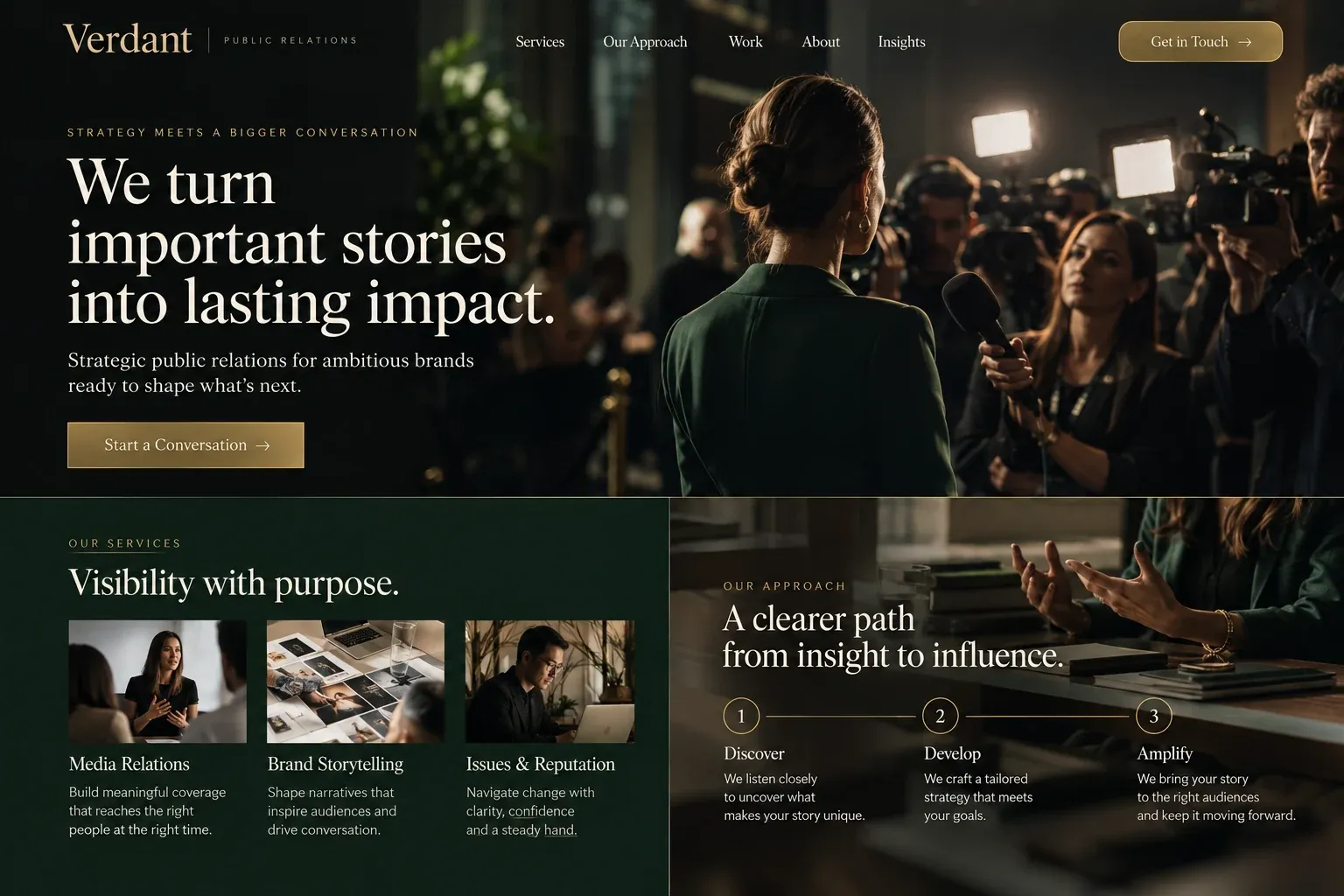
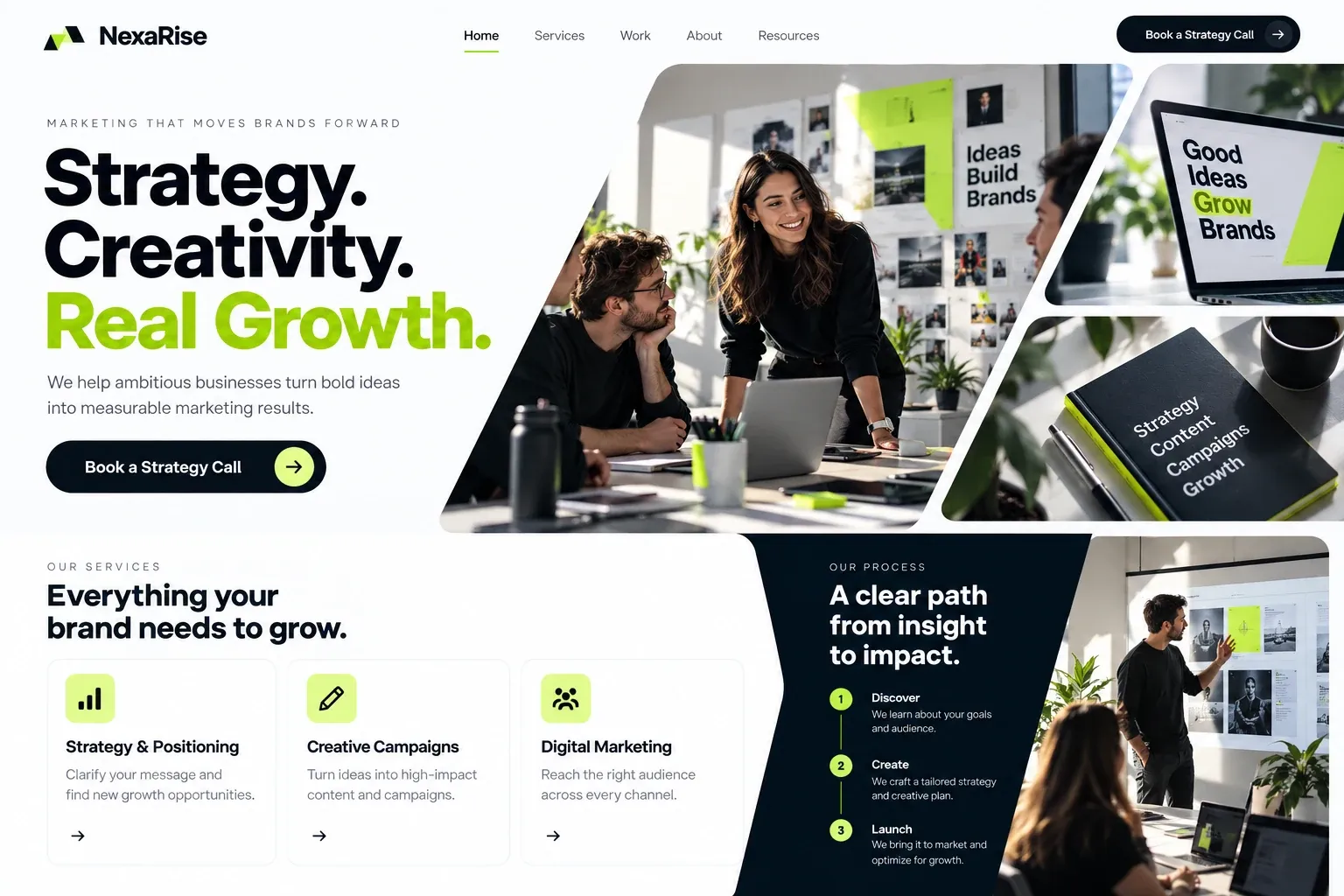
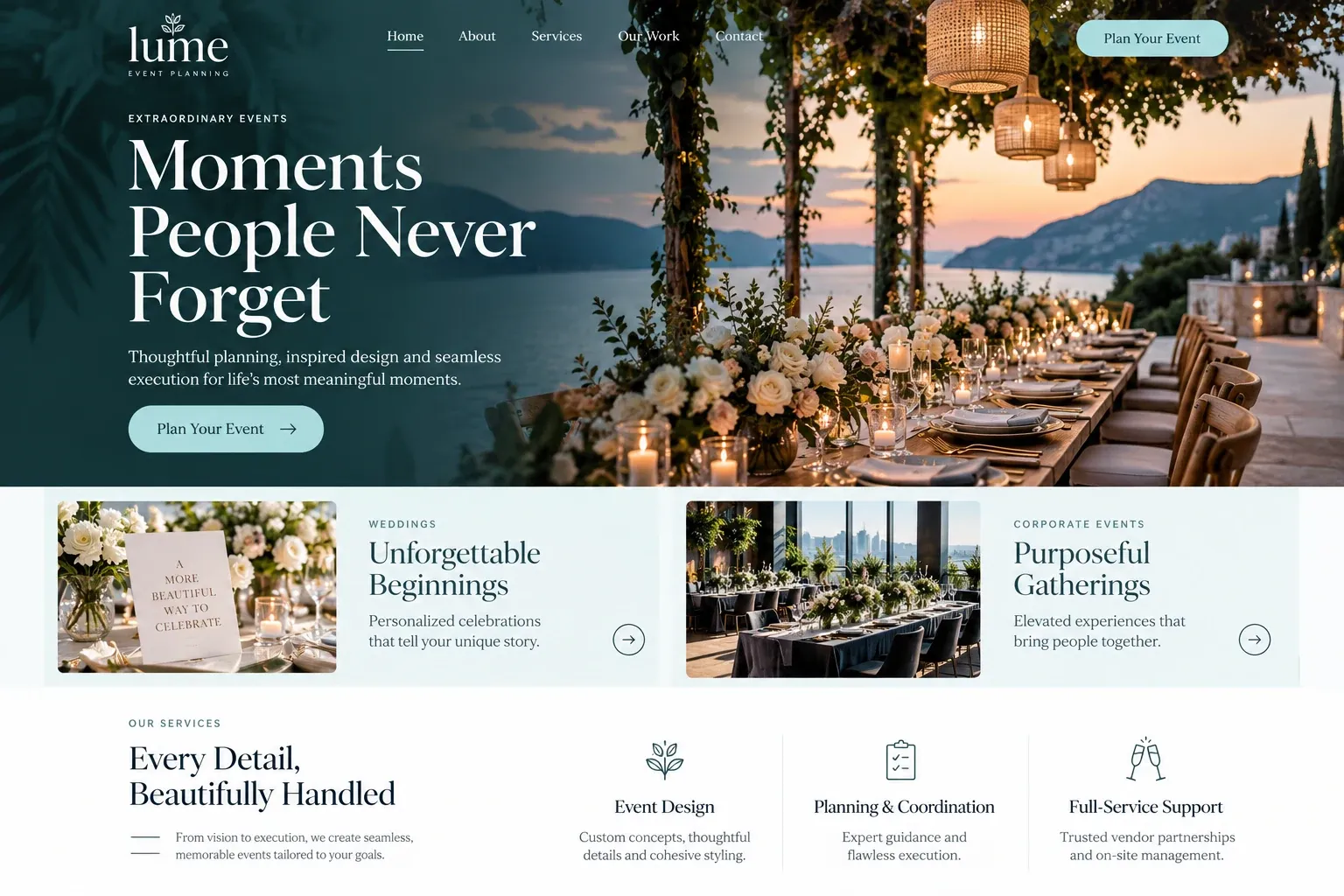
Fictional public relations agencies website homepage design concept
A design concept for a fictional brand. Your site is designed from scratch around yours.

Your customer's story

A product launch eight weeks away

Marco runs a family-owned coffee roaster that is about to open its first cafe and launch a line of canned cold brew in local grocery stores. The opening is eight weeks out. His cousin posted about it on social media, which reached mostly relatives. Marco wants the right food writers, neighborhood outlets, and grocery buyers to hear the story, and he has no idea how that happens.

He looks at PR agency websites one evening. Several promise placements in big national outlets and show a wall of media logos with no explanation. One agency explains its engagement types plainly: launch campaigns, ongoing media relations, crisis support. Its launch page walks through the planning: audience and message work, a press kit, a media list, outreach, an opening event, and a look back at what landed.

Its experience page describes food and hospitality launches it has worked on, with the agency's role spelled out and no promise of coverage. The brief form asks about the news, the audience, the date, and any spokespeople. Marco sends it that night. A PR agency's website should make strategic work tangible: what you plan, what you produce, and how a client works with you along the way.

Why it matters

Why PR agencies need a website.

Public relations is hard to evaluate before you buy it, because the product is judgment, relationships, and planning. Prospects search when something is coming, such as a launch, an opening, a funding announcement, or a reputational problem, and they compare agencies on relevant experience, the kind of engagements offered, and who will actually pitch. A media logo wall or a social feed shows activity, not how the agency thinks about an audience.

We build PR agency websites that show the planning behind the coverage. Engagement types get their own pages, from launches to ongoing media relations and crisis support. Experience is described with your actual role and no promise of placements. A planning page walks through discovery, messaging, materials, outreach, and review. A communications brief form asks about the news, audience, timing, and spokespeople, so the first conversation starts with substance.

What your customers search for

  • pr agency Miami
  • public relations firm near me
  • restaurant opening pr
  • crisis communications firm
  • bilingual pr agency
  • how to get press for a product launch

Your customers

What organizations want to see before hiring a PR agency

  • Do you handle what we need?

    Pages for each engagement type, such as product launches, openings, ongoing media relations, thought leadership, or crisis support, each describing scope and typical work.

  • Have you worked in our world?

    Experience grouped by sector, such as hospitality, real estate, healthcare, or tech, with your role described plainly and no implied promise of coverage.

  • How does the planning work?

    A process page covering discovery, audience and message work, press materials, outreach, events, and how you review what happened afterward.

  • Who would represent us?

    Team profiles with backgrounds, sectors, languages, and media experience, so a client knows who will pitch their story and handle media questions.

What we build

What a website for PR agencies should include.

  • Engagement type pages

    Launches, ongoing media relations, events, executive visibility, and crisis support, each with scope, typical deliverables, and how it starts.

  • Relevant experience

    Past work described by sector and objective, with your role named and coverage shown only with links you can verify.

  • Planning process

    Discovery, messaging, materials, media lists, outreach, and review laid out in order, so clients understand their part at each stage.

  • Communications brief

    The news, the audience, key dates, spokespeople, and goals, in a short form that sets up a useful first call.

  • Agency newsroom

    A page for your own announcements and client news you are cleared to share, with a media contact for journalists.

  • Urgent contact line

    A clearly marked number for organizations facing a reputational emergency, if you offer crisis support outside business hours.

Planning guide

How should a PR agency show its value on a website?

A public relations agency sells something invisible until it works: planning, relationships, and judgment. Its website has to make that work visible without promising coverage no one can promise. Here is a practical plan for the pages, the proof, the brief, and the search basics, written for agencies that serve local, national, or bilingual audiences.

Organize by engagement, not by tactic

Clients arrive with a situation, not a tactic: a launch, an opening, a new executive, a funding round, a problem in the news. Give each engagement type you offer its own page, describing when organizations usually need it, what the work involves, what you produce, and how it begins. A home page, engagement pages, an experience section, team profiles, an about page, and a contact page cover the essentials.

Present experience without promising coverage

Coverage depends on editors and news cycles, so promises about placements hurt credibility with careful buyers. Describe past work by objective and sector, state your role, and link to coverage that exists, with the client's agreement. Media logos should appear only where you can point to the actual piece. Where work is confidential, describe the kind of challenge and your approach instead of naming the client.

Your team page matters more than in most industries. Clients want to know who will pitch their story, who will prepare their spokespeople, and who picks up if something goes wrong. Show backgrounds, sectors, languages, and the kinds of media each person works with. Former newsroom experience, where real, is worth stating plainly.

Make the first contact a real brief

A communications brief turns a vague inquiry into a useful conversation. Ask for the organization, contact details, what the news or situation is, the audiences that matter, key dates, and who could speak for the organization. Keep it short, and add a line asking people not to send embargoed or confidential material through the form. For urgent reputational issues, a separate, clearly marked phone line works better than any form.

Help journalists and clients both find you

A newsroom page with your agency's announcements and a media contact makes you easy for reporters to reach. For prospective clients, engagement and sector pages give search engines specific topics, and a complete Google Business Profile helps if you meet clients locally. Ask satisfied clients for reviews or written recommendations, and update the experience section as new work is cleared for publication. No page can promise visibility, but a clear site supports the reputation you already have.
In your market

PR in Miami's media landscape

Miami public relations often runs in two languages, with English and Spanish-language outlets, Latin American media, and a steady flow of international visitors and companies opening here. Hospitality, real estate, art, music, and tech launches crowd the calendar, especially around major art and music events and the winter season, and hurricane season brings its own crisis communication work. We build PR sites that present bilingual media work plainly, offer pages in both languages, and put your media contact one click away.

Questions

Questions PR agencies ask us.

Can our PR agency website show media coverage we have earned for clients?

Yes, with care. We link to coverage that exists and that clients have agreed to share, and describe your role in getting it. Logos of outlets appear only next to real pieces. We avoid wording that suggests you can secure placements on demand, since that depends on editors, not agencies.

Should a PR firm's website include a newsroom?

It helps. A newsroom page holds your own announcements, any client news you are cleared to share, and a clear media contact. Journalists looking for a spokesperson or comment can find you quickly, and prospects see that the agency practices what it recommends. We set it up so new items are easy to add.

How should our PR site handle crisis inquiries?

Separately from everything else. If you offer crisis support, a clearly marked page and phone number let an organization in trouble reach a person quickly, instead of filling in a general form. The page explains what crisis support covers and asks visitors not to send confidential details through the website.

What should a public relations agency's brief form ask?

Enough to make the first call productive: the organization, contact details, the news or situation, audiences that matter, key dates, and possible spokespeople. Keep it to a few minutes, offer a phone number for people who prefer to talk, and ask that embargoed or confidential material wait until after an agreement.

Let's talk

Ready for a website built for PR agencies?

Tell us about your business and we will come back with a clear recommendation and a fixed quote. No pressure, no jargon.

Trades we design for

See all 226 trades

226 trades

  • Plumbers website design concept
CallFree quote