Web design for insulation contractors

Websites that explain the part of the house nobody sees.

Insulation is bought by people who cannot see the problem, only feel it: a bedroom that never cools, an air conditioner that runs all afternoon. They want an explanation before they want a product.

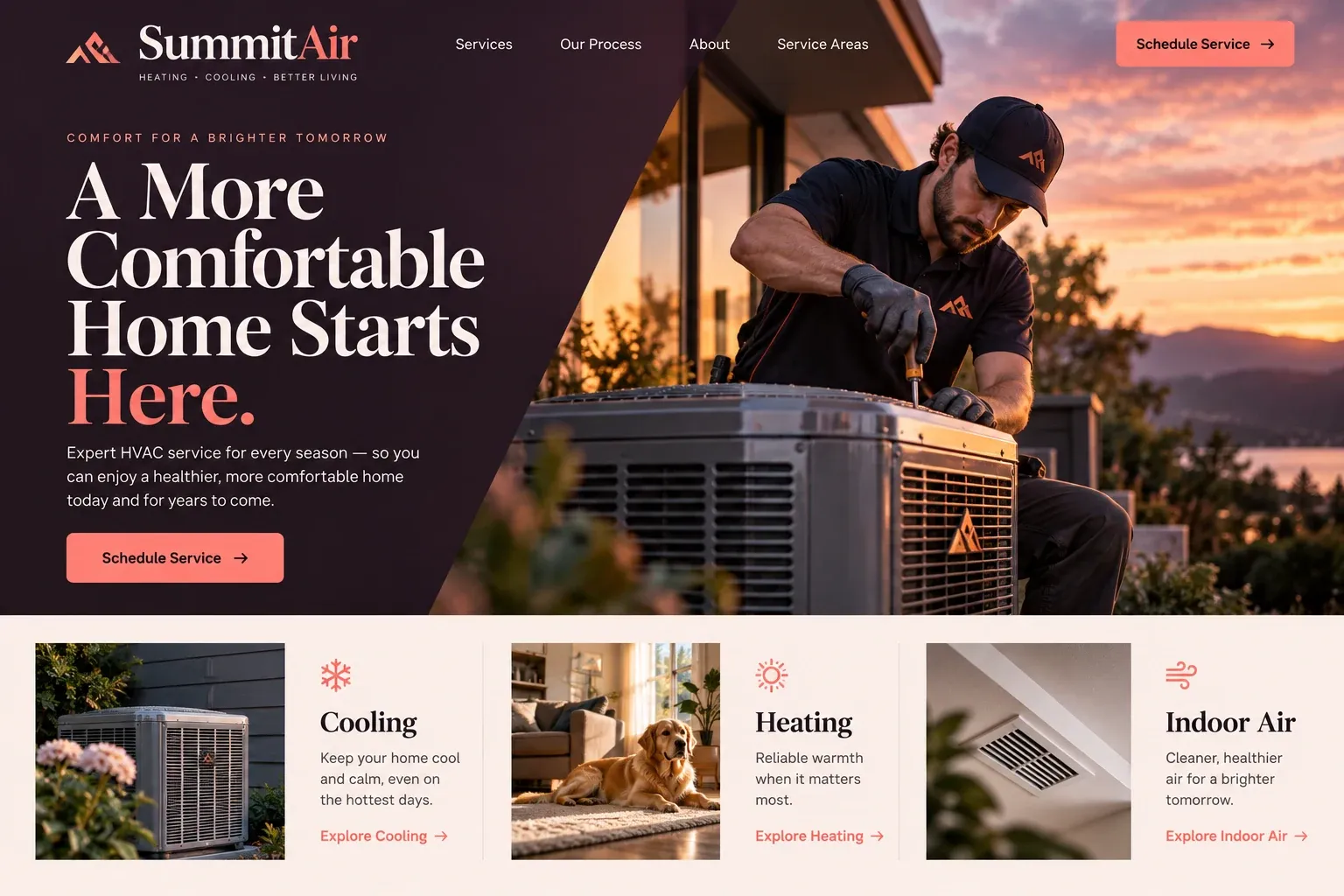
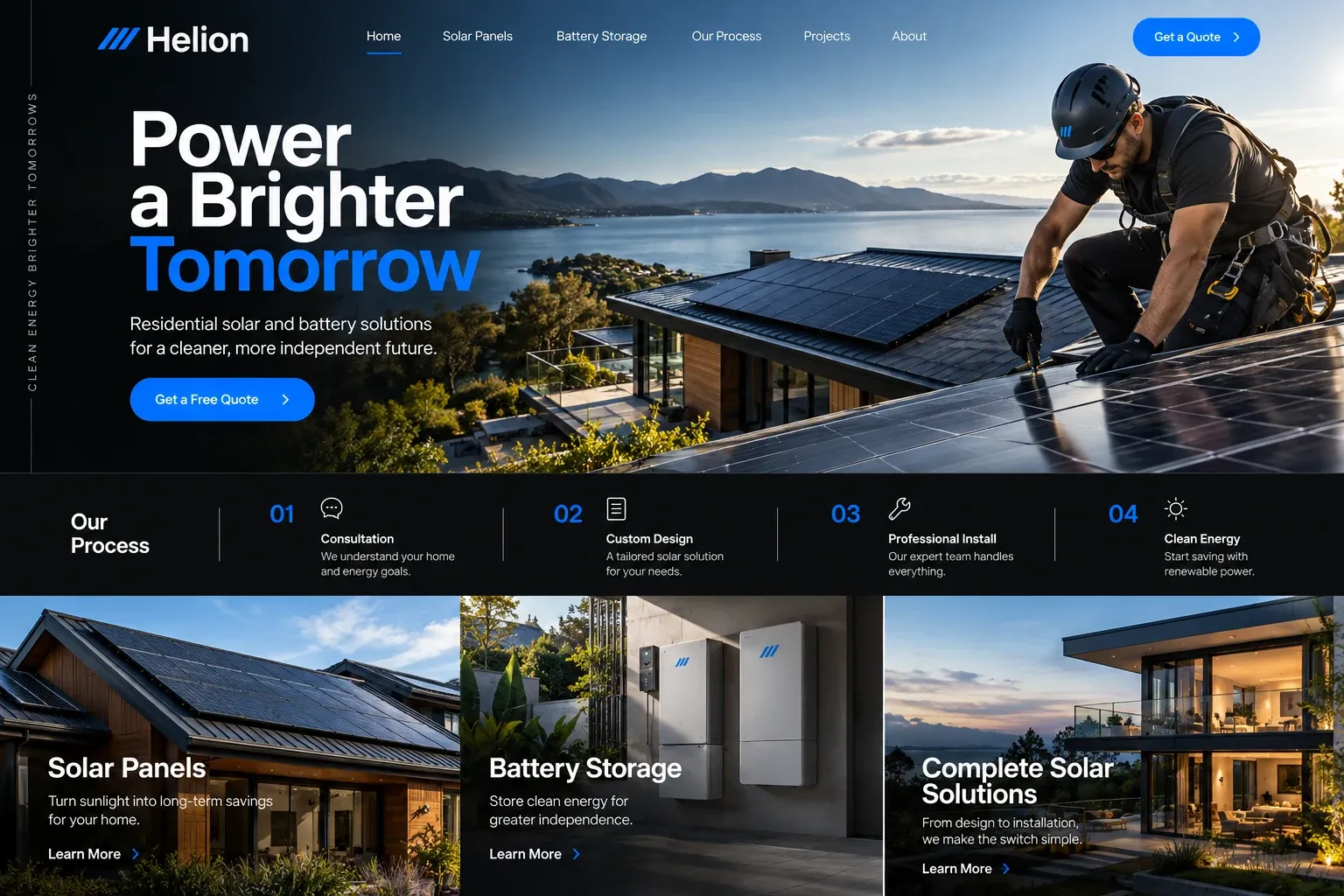
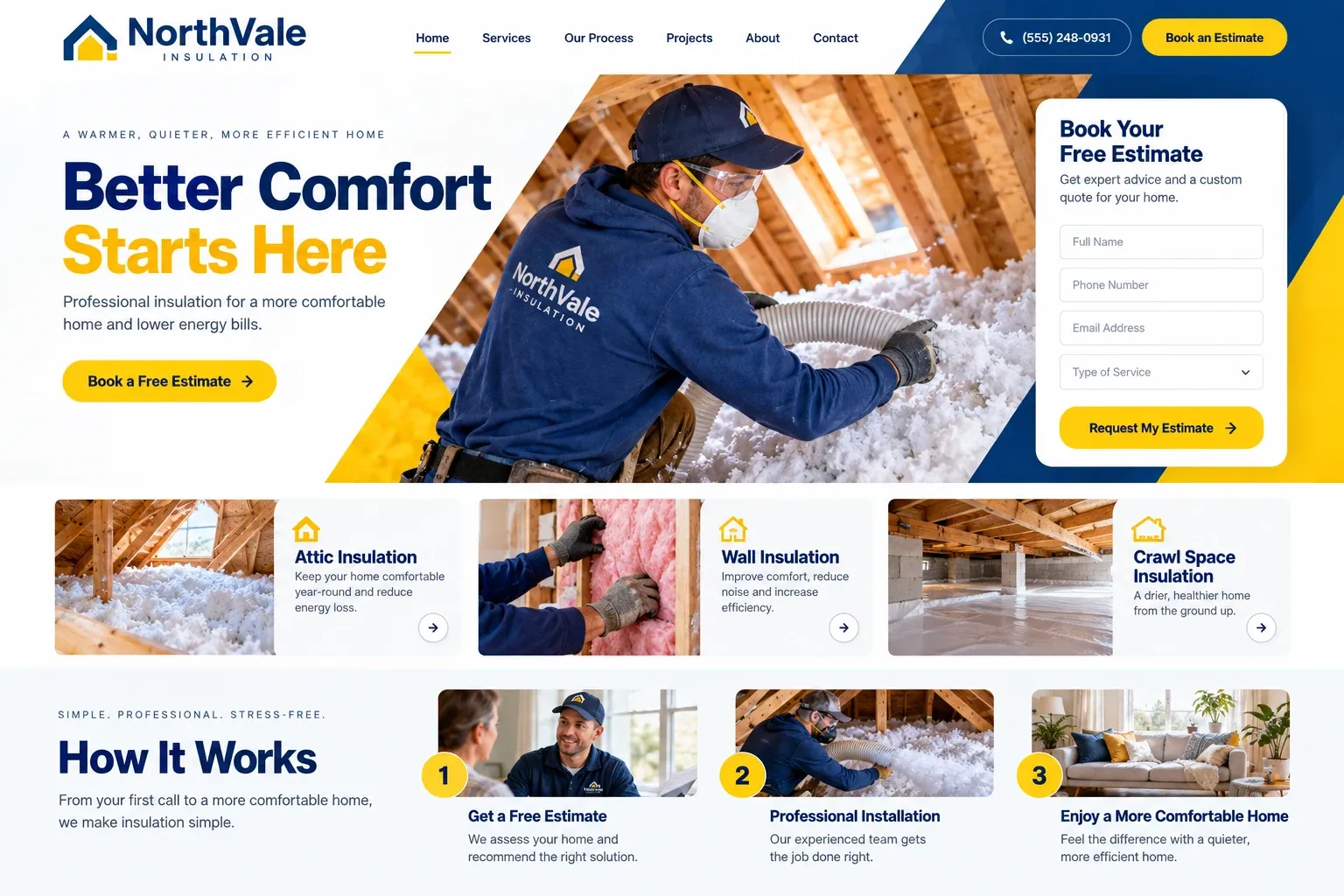
Fictional insulation contractors website homepage design concept
A design concept for a fictional brand. Your site is designed from scratch around yours.

Your customer's story

The upstairs bedroom that never cools down

Derek and his wife have finished every room in their two-story house except one problem they cannot paint over. The upstairs bedroom over the garage is warm by noon and stuffy by evening, even with the vent wide open and the thermostat turned down. Their daughter has started sleeping on the living room couch. Last week a salesman knocked on the door offering spray foam.

Derek does not know whether foam is right, or whether insulation is even the problem. He searches "attic insulation contractor" and reads. One site promises dramatic savings in large type. Another sells a single product and nothing else. A third explains what its crew checks in an attic: the depth and condition of what is there, gaps around lights and ducts, ventilation, and the room over the garage as a common trouble spot.

That site compares blown-in, batts, spray foam, and radiant barriers in plain words, without promising a number on the power bill. Its form asks the age of the house, the roof type, which rooms are uncomfortable, and where the attic hatch is. Derek fills it in that night. An insulation website earns trust by explaining the assessment first and letting the recommendation come after.

Why it matters

Why insulation contractors need a website.

Insulation is an invisible purchase sold in a crowded, noisy market. Homeowners hear about it from door-to-door crews, utility mailers, and ads full of savings figures, and many have learned to be wary. What they look for is a contractor who explains what is in their attic and walls now, what the options are, and why one might suit their house. A directory listing or a social page cannot carry that explanation.

We build insulation websites that make hidden work visible. Service pages cover attics, walls, garages, and new construction, each with photos from real jobs. A materials page compares the products you install in plain terms. An assessment page shows what your crew checks and how a recommendation is reached. We avoid blanket savings claims, and the request form gathers the house details you need before a visit.

What your customers search for

  • attic insulation near me
  • insulation contractor Miami
  • spray foam insulation
  • radiant barrier installation
  • blown in insulation for attic
  • garage ceiling insulation

Your customers

What homeowners want explained before insulation work

  • Is insulation really my problem?

    An assessment page listing what you check, such as existing depth, air leaks, ductwork, and ventilation, and saying plainly when the answer lies elsewhere.

  • Foam, blown-in, or batts?

    A materials page that compares each option on where it fits, how it is installed, and what it asks of the house, without a sales push.

  • What happens to the old insulation?

    A clear note on when you remove, top up, or leave existing material, and how you handle mess, dust, and access through the home.

  • Are there rebates I should know about?

    If you take part in any utility or rebate programs, a page linking to their official details, kept current, so customers can check eligibility themselves.

What we build

What a website for insulation contractors should include.

  • Attic and wall services

    Separate pages for attic insulation, wall insulation, garages, and new construction, each explaining the work and showing real installs.

  • Material explanations

    Blown-in, batts, spray foam, and radiant barriers described honestly, including where each tends to suit a house and where it does not.

  • Assessment process page

    What your crew inspects, how long a visit takes, and how you explain findings, with photos from inside real attics.

  • Property-details request

    The form asks home age, roof type, attic access, and which rooms feel wrong, so the visit starts informed.

  • Before and after attic photos

    Thin, patchy insulation beside an even new layer, the clearest way to show customers what they are paying for.

  • Builder and remodeler page

    A separate route for builders and remodelers who need insulation on new construction or additions, with scheduling and inspection notes.

Planning guide

How should an insulation company explain its work online?

Insulation is hard to sell because customers cannot see it and have often heard exaggerated claims about it. An insulation website succeeds when it explains: what you inspect, what the materials are, how a recommendation is made, and what installation day looks like. This guide covers the pages to plan, the proof to show, and how the site supports local search.

Lead with the assessment, not the product

Many homeowners arrive suspicious after a hard sell elsewhere. A calm page describing your assessment sets you apart before any product is mentioned: what you check in the attic and walls, how you judge ventilation and air leaks, and how you explain what you find. Say plainly that sometimes the answer is not more insulation, if that is how you work. Honesty here is a strong selling point.

Plan pages by area and material

Give attics, walls, garages and bonus rooms, and new construction their own pages, since each is searched separately and involves different work. Then add one materials page that compares what you install. Describe each material by where it fits, how it goes in, and what it requires, such as ventilation or air sealing, and avoid savings figures you cannot back up for a specific house. Finish with about, service area, and contact pages.

Bring the attic into the daylight

Photos are how invisible work becomes real. Shoot the attic before and after with a good light: thin or displaced insulation, gaps around fixtures and ducts, then the finished, even layer with depth markers visible. Show your crew protecting the home, with covered floors and a clean entry. Caption each photo with the house type and what was done, and use only images from your own jobs.

Make contact easy and get found locally

The request form should ask what the customer feels and what you need to know: which rooms are uncomfortable, the age of the house, the roof type, how to reach the attic, and when someone is home. Keep it short enough to finish on a phone. Add a tap-to-call number for people who would rather describe the problem, and say when you return calls.

Searches for insulation are usually specific: "attic insulation", "spray foam insulation near me", "radiant barrier installation". Service and material pages give Google clear matches, while a list of the towns you cover tells it where you operate. Keep your Google Business Profile consistent with the site, add attic photos there, and ask customers for reviews that describe the room that finally feels right. Rankings take time and cannot be promised, but this is the groundwork.


In your market

Built for insulation work in South Florida

In South Florida, insulation is mostly about keeping heat out. Attics bake under the sun for much of the year, air conditioners run for months on end, and humidity makes air sealing and moisture control part of every conversation. Many homes have concrete block walls, which changes what wall insulation looks like compared with frame houses. We write pages that reflect these conditions, and every page can also be offered in Spanish.

Questions

Questions insulation contractors ask us.

Should an insulation website mention energy savings?

Carefully. Savings depend on the house, the equipment, and how people live, so we avoid blanket figures and promises. We describe what insulation and air sealing are meant to do, link to official rebate information if you take part in any programs, and let your assessment speak to each home.

How do we show insulation work when it is hidden in the attic?

With before and after photos taken in good light, ideally with depth markers in frame, plus shots of air sealing around fixtures and ducts. Phone photos work if they are sharp. We place them on each service page and in a gallery captioned with the house type and the work done.

Can homeowners book an insulation assessment online?

They can request one at any hour. The form asks which rooms feel uncomfortable, the age of the house, roof type, and attic access, then emails you the details so you can call back and confirm a time. If you already book through a scheduling app, the site can point there.

Do we need separate pages for spray foam and blown-in insulation?

If you install both and want work in each, yes. People search for them by name and often arrive with opinions from ads or neighbors. A page for each, written in plain terms with your own photos, answers those opinions honestly and gives search engines specific topics.

Let's talk

Ready for a website built for insulation contractors?

Tell us about your business and we will come back with a clear recommendation and a fixed quote. No pressure, no jargon.

Trades we design for

See all 226 trades

226 trades

  • Plumbers website design concept
CallFree quote