Web design for software and app developers

Websites that explain how you build software.

Companies hiring a development team are about to trust someone with months of work and a core part of their business. They want evidence: real projects, a clear process, how you communicate, and who will actually write the code.

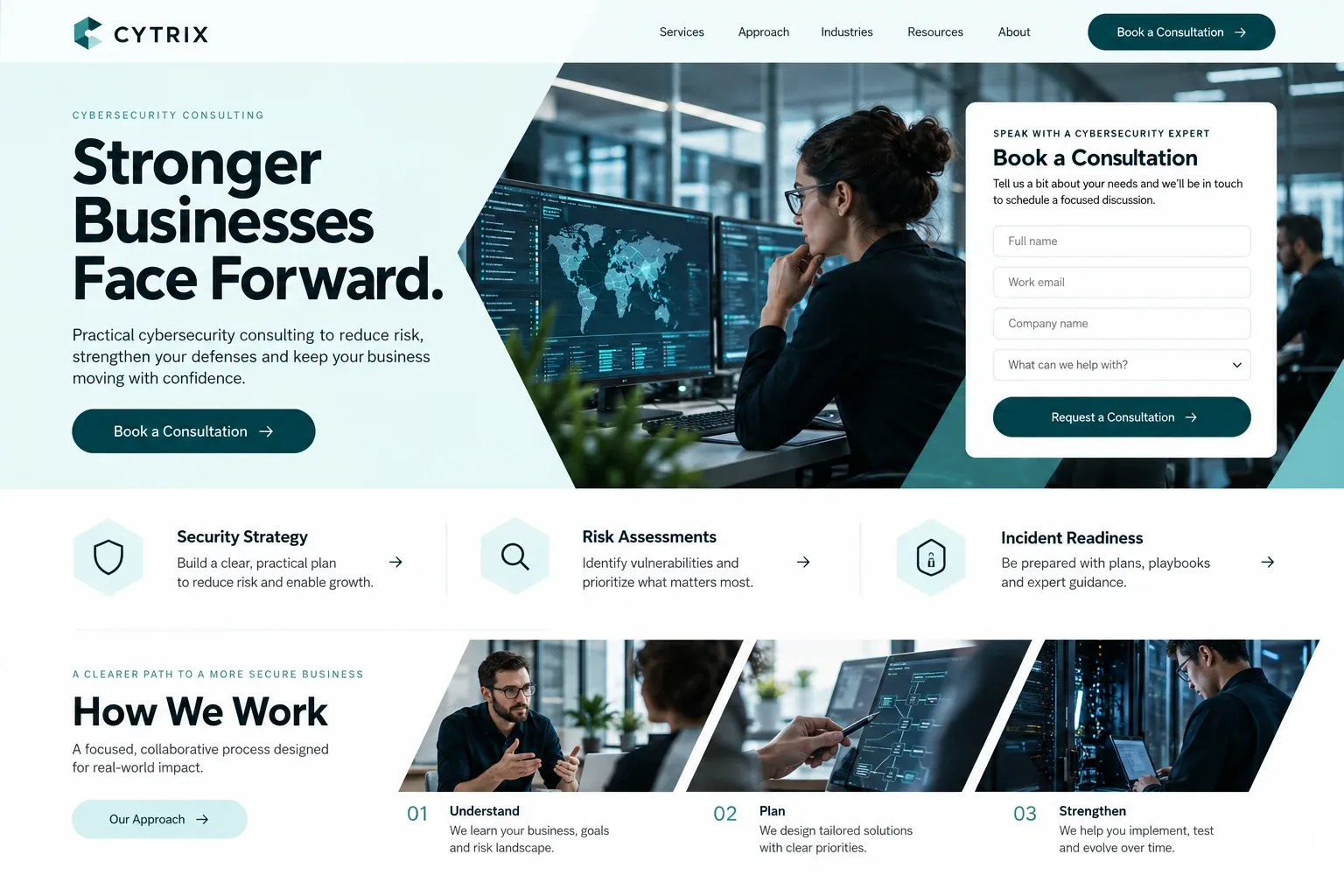
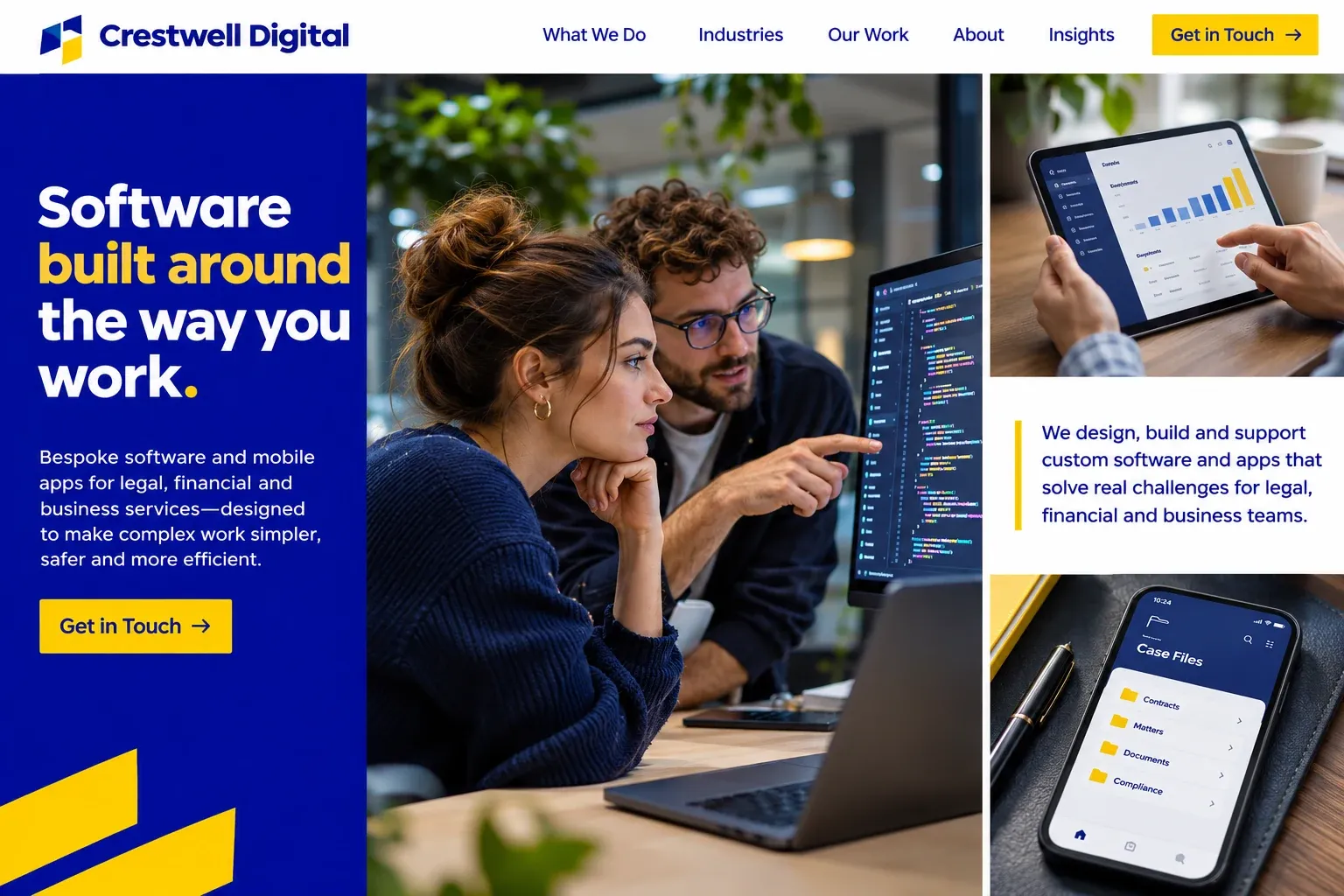
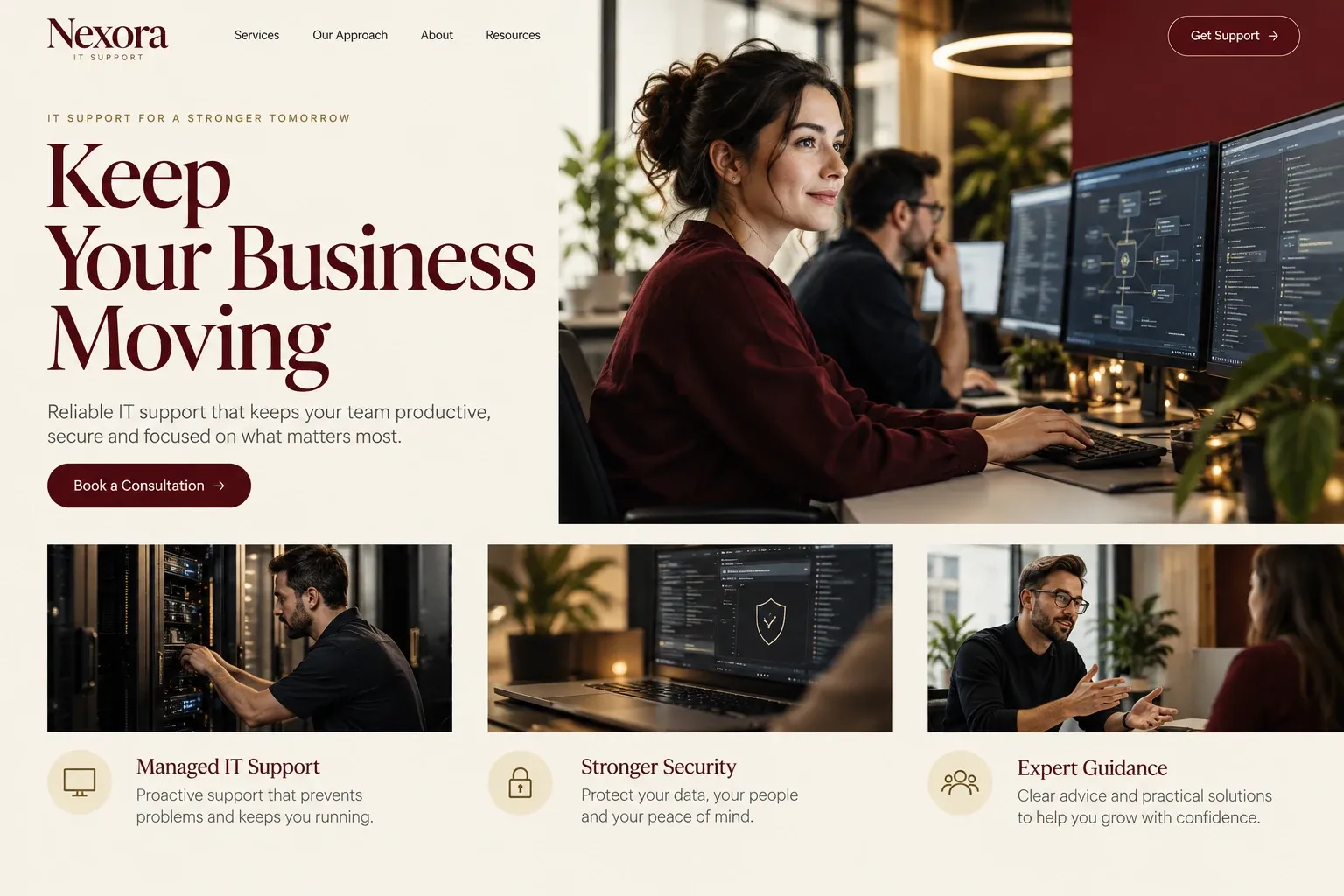
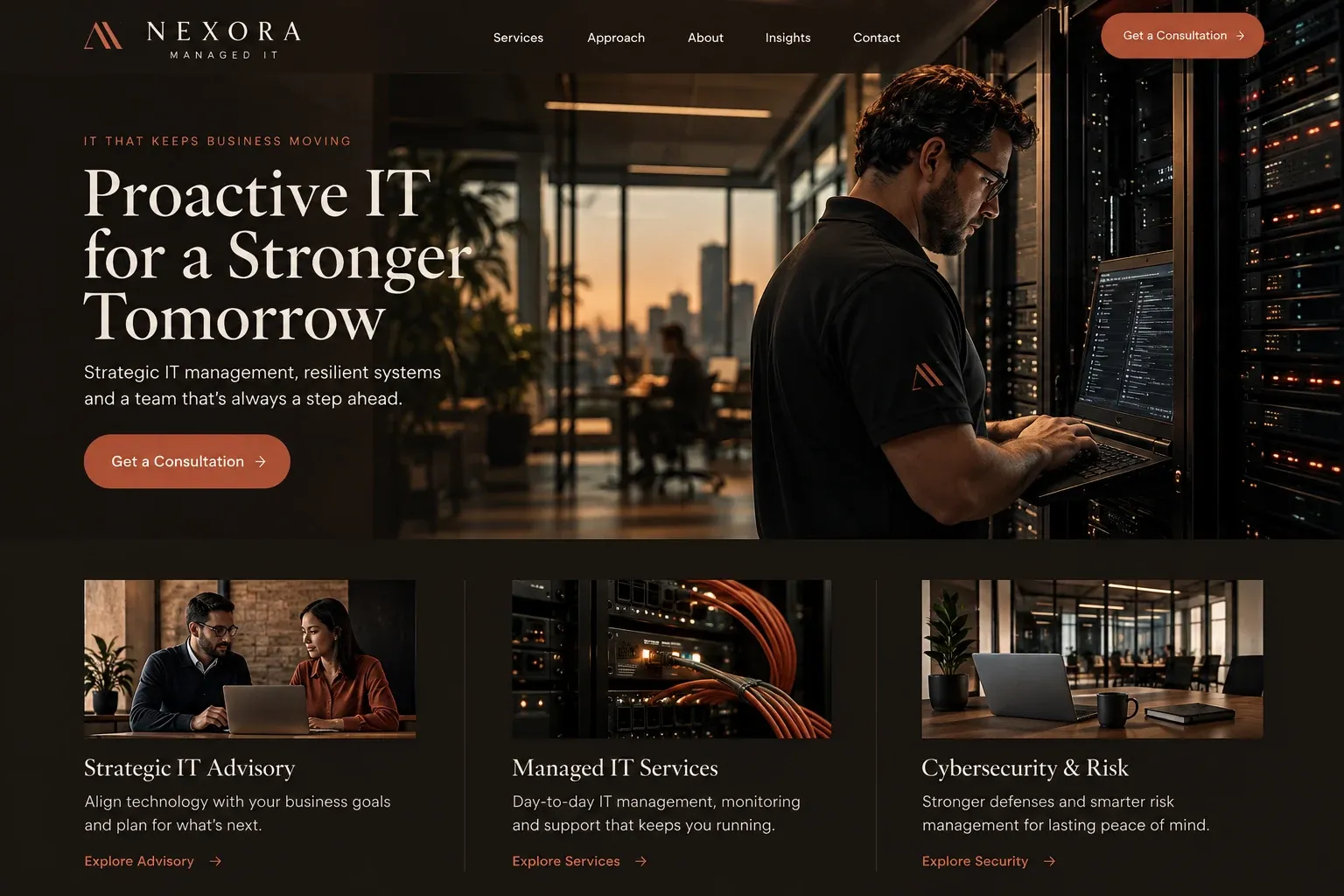
Website design concept for software and app developers, an illustration
Illustration only: the design, business name and logo are made up to show the kind of website we can build. Not a real business or client website. Yours is designed from scratch around your brand.

Your customer's story

A clinic owner with an app idea

Tomas runs three physical therapy clinics and wants a patient app for exercise plans and appointment reminders. He has a rough sketch, a list of features, and a budget his partners approved. He has never hired developers before and has heard stories about projects that never ship. He searches for app developers, then for an app development company in Florida, and starts reading.

Most sites he opens show glossy phone mockups and words like innovative and cutting edge, with nothing about how the work happens. One studio's site is different. Its case studies explain the client's problem, what was built, the platforms, and the team's role. A process page walks through discovery, design, development, testing, and launch, and explains how often clients see progress and how changes are handled.

Tomas fills in that studio's project form, describing his clinics and the features he wants, and attaches his sketch. The first call is about his patients, not a sales script. A developer's website wins serious projects by showing real work in context, explaining delivery and communication honestly, and making the first inquiry feel like the start of a working conversation.

Why it matters

Why software and app developers need a website.

Buyers of custom software compare studios and freelancers from anywhere, so your website often decides whether you get the first call. They read case studies closely, look for technologies they recognize, and try to judge how you manage scope, communication, and change. A portfolio on a design platform shows screenshots, and a code profile shows activity, but neither explains how a project with you actually runs from first call to launch.

We build developer websites that make your work and process easy to judge. Case studies describe the problem, the solution, the stack, and your role, using only what clients have approved. Service pages cover web apps, mobile apps, integrations, or maintenance, and a process page explains how projects are scoped and delivered. The inquiry form asks about goals, users, and timing. We work with development teams anywhere by video.

What your customers search for

  • app development company
  • custom software developers
  • mobile app developer for startups
  • web application development agency
  • hire react native developers
  • software development company in Florida

Your customers

What companies ask before hiring a development team

  • Have you built something like this?

    Case studies with the client's problem, what you built, the platforms and technologies used, and your team's role, shared only with client permission.

  • How will the project actually run?

    A delivery process page covering discovery, design, development, testing, launch, and support, with how often clients see progress and how changes are handled.

  • Who will work on our project?

    Team profiles with roles, skills, and locations, so buyers know whether they will work with your own developers or outside partners.

  • What happens after launch?

    A page on maintenance, hosting, updates, and support, so buyers know the app will not be left alone once it is released.

What we build

What a website for software and app developers should include.

  • Detailed case studies

    Each project told as problem, approach, build, and outcome in words, with screenshots and the stack, approved by the client.

  • Development service pages

    Separate pages for web applications, iOS and Android apps, integrations, and ongoing support, each written for the buyer who searches it.

  • Delivery process page

    Your stages, communication rhythm, tools, and how scope changes are handled, explained plainly before anyone signs a contract.

  • Technology stack overview

    The languages, frameworks, and platforms you use, grouped clearly, so technical buyers can confirm fit at a glance.

  • Project inquiry form

    Questions about goals, users, platforms, existing systems, and timing, with room to attach a brief, sketch, or requirements document.

  • Team and culture page

    Real profiles of the people who build the software, with roles and experience, which buyers read more closely than slogans.

Planning guide

What should a software development company's website include?

A software developer's website is judged by people who are about to make a large, risky decision. They want proof of real work, a clear process, and confidence that communication will be good. Here is how we plan a developer's pages, what to show in case studies, how to set up the inquiry, and how the site helps buyers find you.

Lead with case studies that show thinking

Screenshots alone do not tell a buyer much. A strong case study describes the client's situation, the problem, the approach you chose and why, what was built, the technologies used, and what the client can now do. Get client approval for everything you publish, and describe your own role precisely. Where a project is under a confidentiality agreement, describe the type of work without naming the client.

Explain how projects are delivered

Buyers worry about scope creep, missed deadlines, and silence. A process page that walks through discovery, design, development, testing, launch, and support, with how often clients see working software and how changes are estimated, answers those worries directly. Name the tools you use for project tracking and communication. Be honest about what depends on the client, such as feedback time and content. Add a short note on code ownership and handover, since buyers ask about it.

Make the first inquiry useful

A good project form asks about the business goal, who will use the software, the platforms needed, existing systems to connect, timing, and whether a budget range has been set. Let visitors attach a brief or sketch. The answers arrive in your inbox, so the first call can focus on the problem instead of basic facts.

Offer a way to book an introductory call directly through the scheduling tool you use, for buyers who prefer to talk first. Say who will be on that call, such as a founder or technical lead, so buyers know they will speak with someone who understands the work and can answer technical questions.

Help buyers find your specialties

Software buyers search by platform, industry, and problem: React Native app developer, healthcare app development, Shopify integration developer. Service and industry pages give search engines those topics to match, and a few useful articles on planning a project can bring in buyers early. Keep company details consistent across the site and directories, and collect honest client reviews. None of this promises a ranking, but specific pages give a capable team a fair chance.
In your market

Built for development teams who work with clients anywhere

Software buyers hire across cities, states, and borders, choosing the team whose experience and communication fit best. That puts your website in direct comparison with studios everywhere, so clarity about your work, process, and team matters more than location. If you are based in South Florida, a page on working with Latin American clients and their time zones can help. We are based in Miami and work with development teams anywhere by video, phone, and email, and a Spanish version is available.

Questions

Questions software and app developers ask us.

Can our development site show work under confidentiality agreements?

Yes, carefully. We describe the type of project, the industry, the problem, and the technologies used without naming the client or showing protected screens. Where a client allows it, we publish a full case study with screenshots and their approval of every line.

Should a software company list its technology stack?

Yes. Technical buyers often scan for frameworks and platforms they already use, and a clear stack page saves a call. We group languages, frameworks, cloud services, and tools, and describe only the ones your team uses in real projects.

Can prospects book a discovery call through the developer website?

Yes. We can link or embed the scheduling tool you already use, so a prospect picks a time after reading your process. The project form is still there for buyers who want to send details first, and both reach your inbox.

Do software and app developers need a blog?

Not always, but a few well-written articles on planning an app, choosing a platform, or estimating a project can bring buyers to your site early in their research. We help plan the topics, and your team supplies the technical substance and approves each piece.

Let's talk

Ready for a website built for software and app developers?

Tell us about your business and we will come back with a clear recommendation and a fixed quote. No pressure, no jargon.

Trades we design for

See all 436 trades

436 trades

  • Plumbers website design concept
CallFree quote