Web design for speech therapists

Website design for speech therapists.

Parents usually arrive at speech therapy with a question they cannot quite put into words: a pediatrician's suggestion, a teacher's comment, a quiet worry. They need a practice that makes the first step feel small and clear.

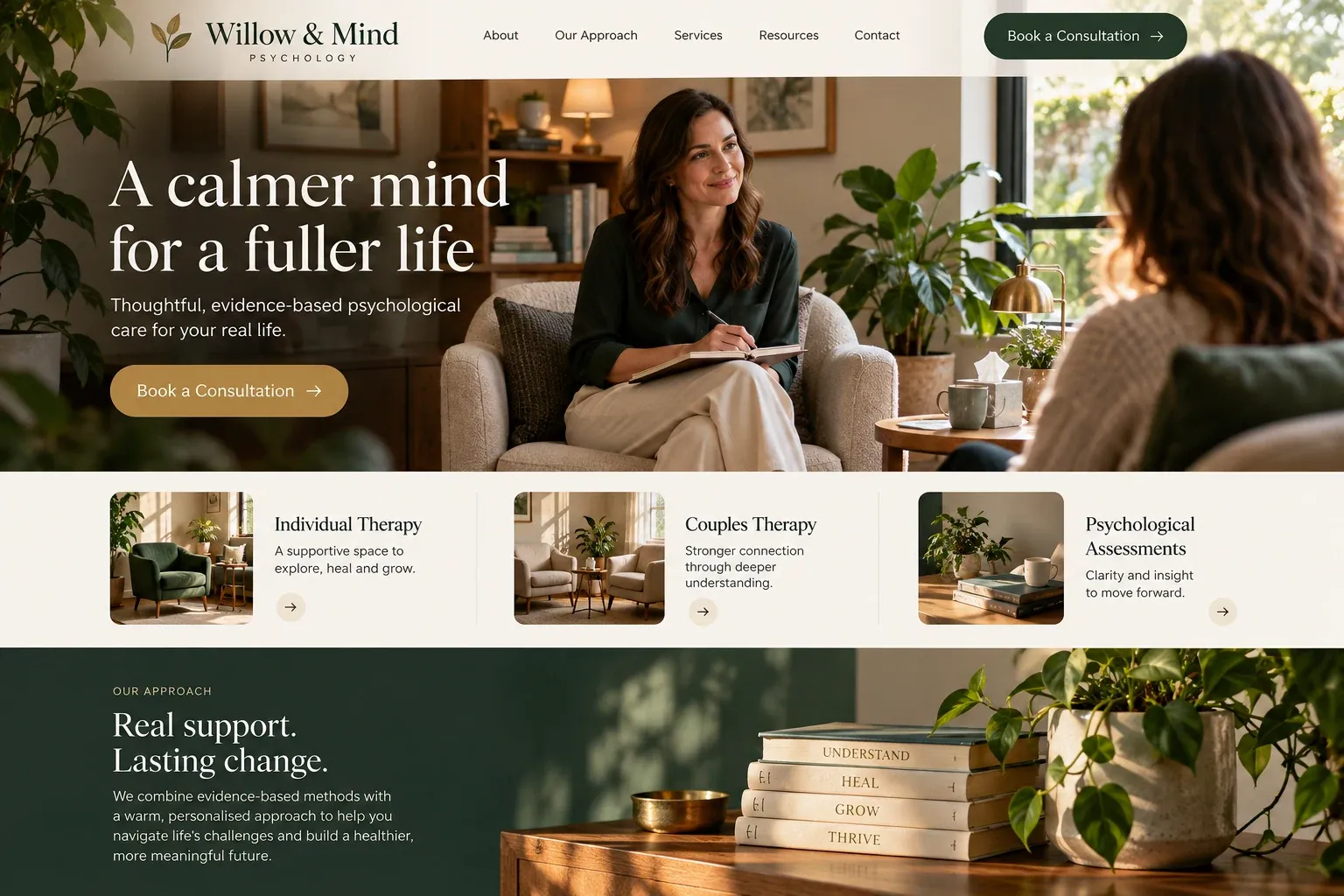
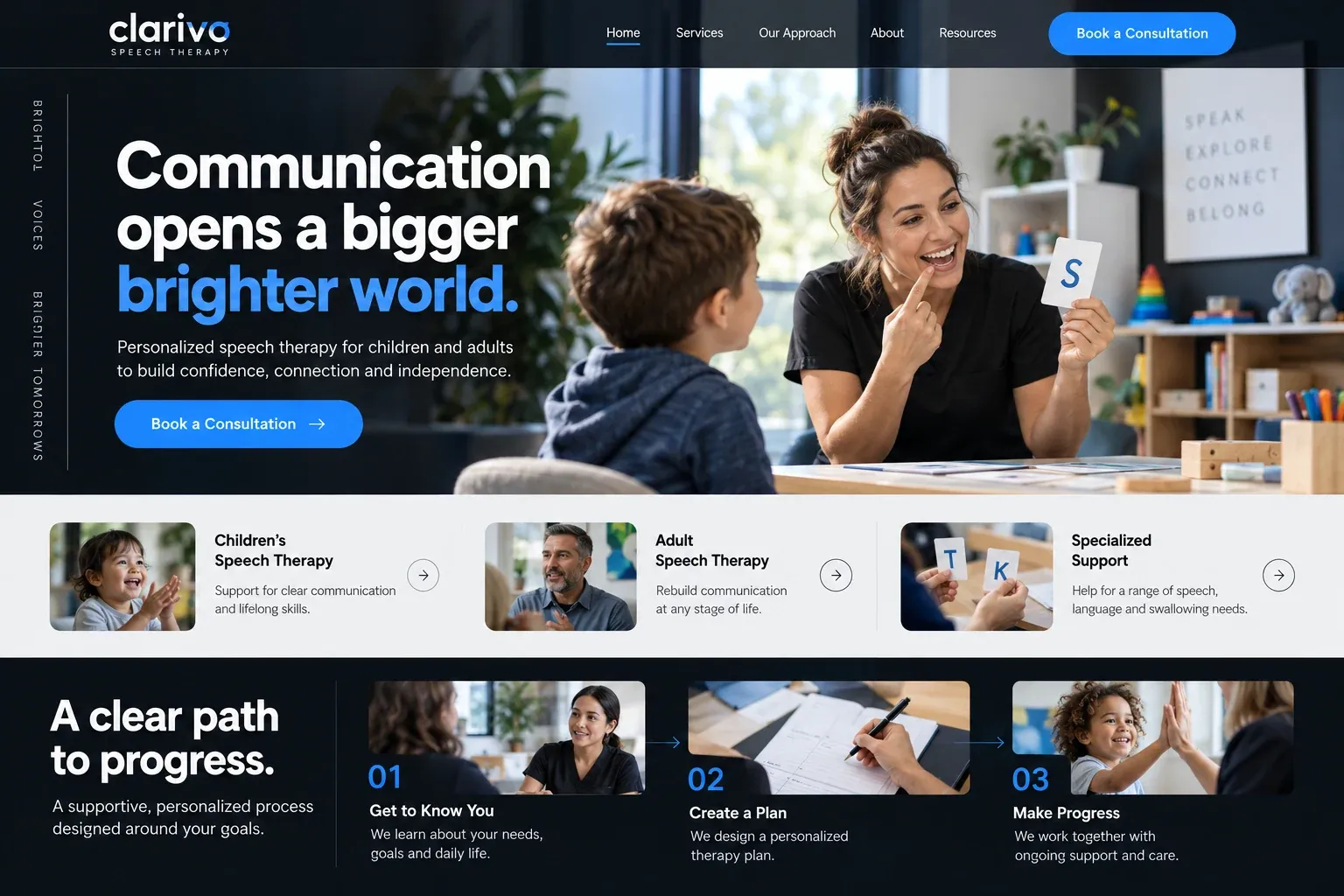
Fictional speech therapists website homepage design concept
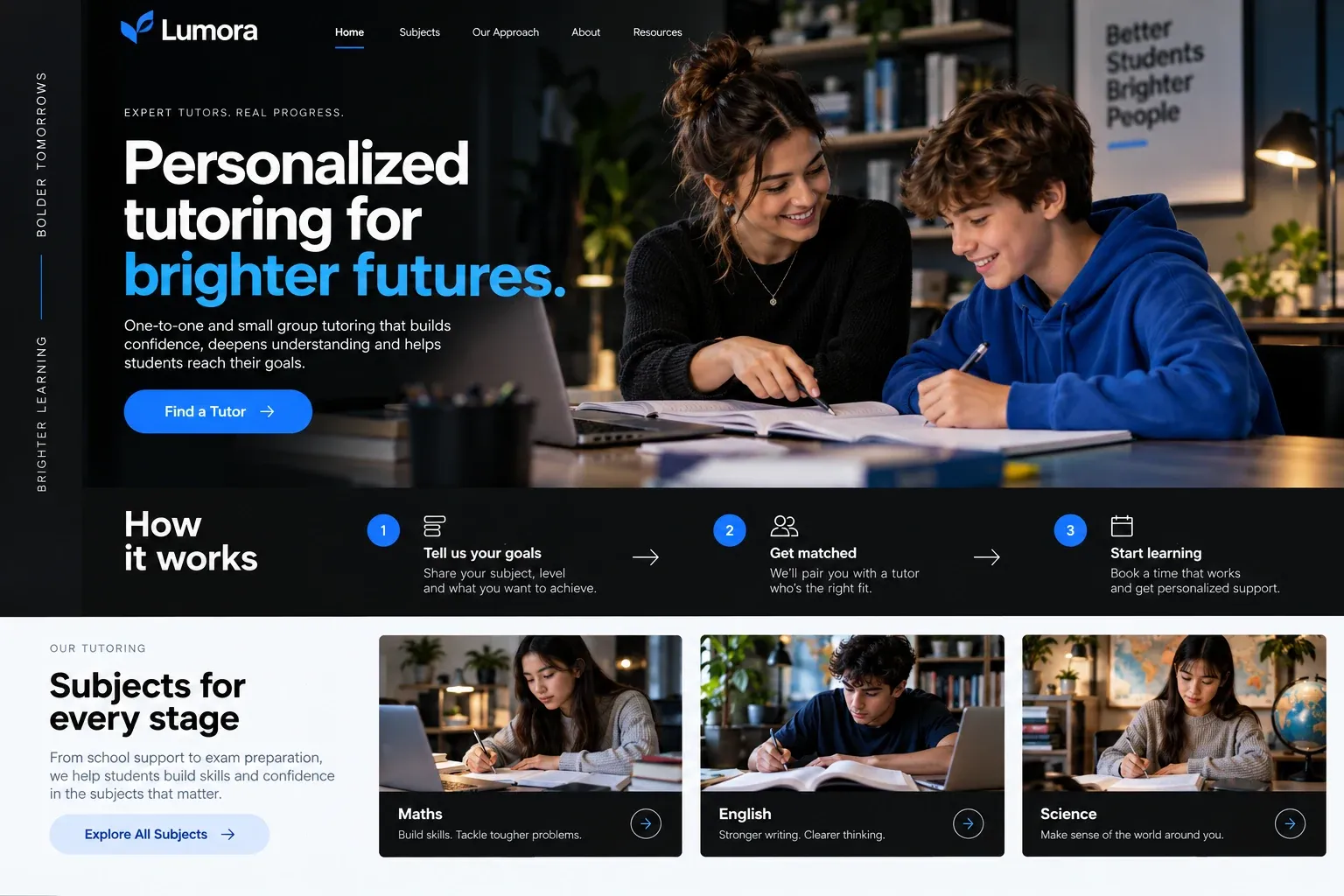
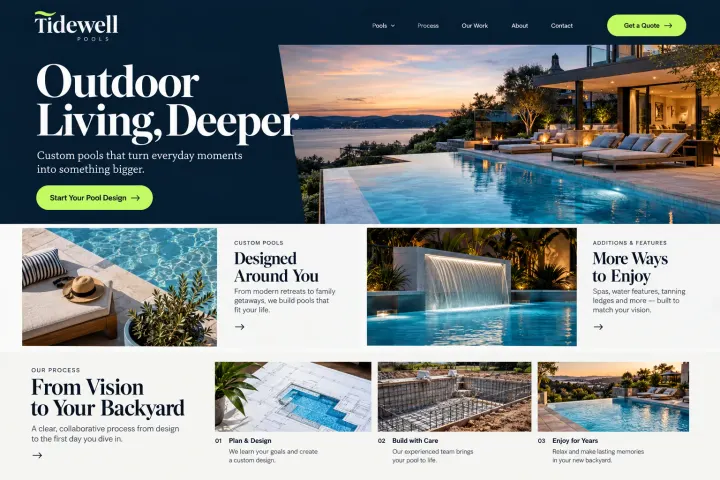
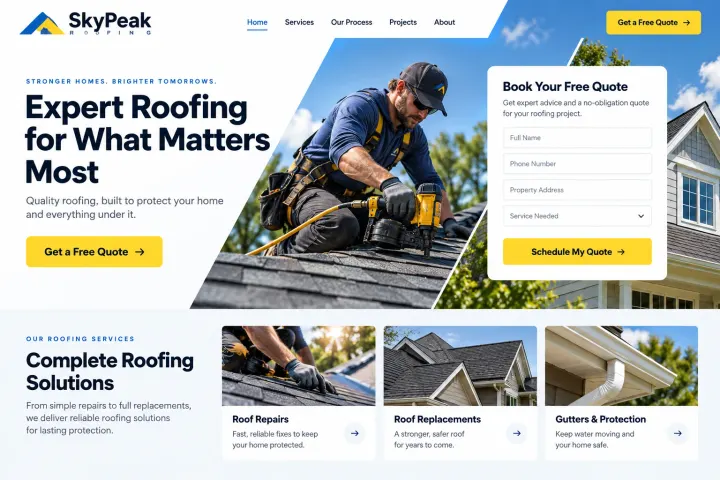
A design concept for a fictional brand. Your site is designed from scratch around yours.

Your customer's story

The pediatrician suggests an evaluation, just to check

Carolina's daughter Valentina is two and a half, chatty in her own way, and adored by a grandmother who speaks to her only in Spanish. At the toddler checkup, the pediatrician suggests a speech evaluation, just to have a look, and writes down a few names. Carolina smiles and says of course. That night, after bath and bedtime, she sits on the edge of the couch and searches "bilingual speech therapist near me".

The first site opens with a long list of disorder names that makes her stomach drop. The second looks friendly but never mentions Spanish. The third has a page for parents of toddlers that describes an evaluation as play with a therapist, lists a therapist who works in both languages, and offers Saturday morning appointments at the clinic or at home.

The form asks for her name, her number, Valentina's age range, and the family's preferred language. It does not ask what is wrong, and Carolina is grateful. A speech therapy website does its job when a nervous parent can reach out without having to explain a worry she is still trying to name, and when the next step looks gentle.

Why it matters

Why speech therapists need a website.

Speech therapy searches usually begin with uncertainty. A parent has been told to get an evaluation, or an adult has been advised to work on speech or voice after an illness. They do not know the terms, and lists of disorder names can frighten them. They want to know the ages you serve, the languages you work in, what an evaluation looks like, and where sessions happen. A directory profile offers none of that reassurance.

We build speech therapy sites in welcoming, plain language. Pages are organized by age, from toddlers to adults, and by setting: clinic, home, school, or teletherapy. The evaluation is explained step by step, as your therapists describe it. Each therapist has a profile with credentials and languages. The first-contact form asks for a name, a phone number, an age range, and a preferred language, and leaves out anything about the concern itself.

What your customers search for

  • speech therapy for toddlers near me
  • bilingual speech therapist Miami
  • speech evaluation for 2 year old
  • speech therapy at home
  • adult speech therapy
  • online speech therapy sessions

Your customers

What parents want to know before calling a speech therapist

  • Do you work with children this young?

    The ages you serve stated plainly on the home page, with a page each for toddlers, school-age children, teens, and adults if you see them.

  • Can the therapist speak Spanish with us?

    Languages listed on each therapist's profile and on the home page, so bilingual families can find the right person before they call.

  • What happens at an evaluation?

    A gentle, step-by-step page describing a typical evaluation for each age group, written by your therapists, without clinical jargon or predictions.

  • Where do the sessions take place?

    Clinic, home, daycare or school, and teletherapy options explained, with the neighborhoods you travel to and when each setting is available.

What we build

What a website for speech therapists should include.

  • Age and setting guide

    A simple grid of the ages you serve and the settings you offer, so families see at a glance whether you fit.

  • Bilingual therapist profiles

    Photos, credentials, and the languages each therapist works in, with a few warm lines about how they connect with clients.

  • Evaluation overview

    What a first evaluation involves for toddlers, older children, and adults, described in calm language your therapists approve.

  • Gentle first-contact form

    Name, phone, age range, preferred language, and setting. Families do not need to describe the concern to get a call back.

  • Teletherapy information

    How online sessions work at your practice, what families need at home, and a link to the video platform you use.

  • Referral and school notes

    How referrals from pediatricians, schools, and other therapists reach you, and how you work with teachers when families ask.

Planning guide

What makes a good website for a speech therapy practice?

People who visit a speech therapy website are often unsure what to ask. A parent may be following up on a pediatrician's suggestion, and an adult may be looking for help on their own behalf. The site should make reaching out feel easy. Here is how we plan the pages, what to show, how first contact works, and how the practice gets found.

Group pages by age and setting

Start with the people you serve: toddlers, school-age children, teens, and adults, each on its own page if your practice covers them. Then describe the settings: clinic, home, daycare or school, and teletherapy. Each page should explain in general terms what sessions involve and how families take part. Avoid long lists of diagnoses on the home page, keep the tone warm, and have your therapists approve every line.

Introduce therapists as people

Families spend many sessions with one therapist, so profiles carry a lot of weight. Include a real photo, credentials, the ages each therapist prefers to work with, and every language they use in sessions. Show the therapy rooms, with their toys, tables, and books, so a child's first visit is not a surprise. If you use reviews, choose ones about the welcome and the communication, not a child's progress.

Keep photos of clients off the site unless families have given clear written permission, and even then think twice about children. A friendly room photographed without people often works just as well. For teletherapy, a picture of the setup with a therapist on screen shows families what a session looks like from their own kitchen table.

Keep the first message short

The first-contact form should ask for a parent's or adult's name, a phone number or email, the age range, the preferred language, and the setting they hope for. It should not ask for a description of the concern, evaluation reports, or school records. Your team gathers those details during intake. Explain what happens after an inquiry, including who calls back and whether there is currently a waitlist.

Help families nearby find the practice

Parents search for speech therapy for toddlers near me, a bilingual speech therapist, or speech therapy at home. Separate pages for ages, settings, and languages give search engines specific matches. Keep your name, address, and phone consistent on the site and your Google Business Profile, list the areas you travel to, and invite reviews from families comfortable leaving one. This gives a practice a fair chance in local results, with no promised position.
In your market

Built for speech therapy in South Florida

Many South Florida children grow up hearing two or three languages at home, and families often want a therapist who works in Spanish, Portuguese, or Haitian Creole as well as English. Grandparents are frequently the ones who drive to sessions, so directions and parking matter. Busy parents value teletherapy and home visits in a region where traffic eats the afternoon. We list languages by therapist, show settings and service areas clearly, and can add a Spanish version of the whole site.

Questions

Questions speech therapists ask us.

Should our speech therapy website list the disorders we treat?

A short, general list on a services page can help people searching for specific terms, but we keep it off the home page, where it can feel clinical. We lead with ages, settings, and languages, describe services in warm language, and your therapists approve every word before launch.

How do we show bilingual speech therapists on the site?

Each profile lists the languages that therapist uses in sessions, and the home page can name them too. If you add a Spanish version of the site, families can read everything in the language they speak at home, and the form lets them choose a preferred language.

Can families request a speech evaluation without describing the problem?

Yes, and that is how we set it up. The form asks for a name, contact details, the age range, preferred language, and setting. Your team learns about the concern during the call or through your intake forms, so nothing personal sits in an ordinary email.

Can the speech therapy site explain how teletherapy sessions work?

We add a page on teletherapy at your practice: what a session looks like, what a family needs at home, how to join, and how the therapist keeps a young child engaged on screen, all in your words. A link to your video platform sits on the same page.

Let's talk

Ready for a website built for speech therapists?

Tell us about your business and we will come back with a clear recommendation and a fixed quote. No pressure, no jargon.

Trades we design for

See all 226 trades

226 trades

  • Plumbers website design concept
CallFree quote