Web design for metal fabricators

Website design for metal fabricators.

A fabrication job usually starts with a drawing, a sketch, or a photo of something that does not exist yet. The buyer wants to see quickly whether your shop cuts, bends, and welds that kind of work, and how to send the file.

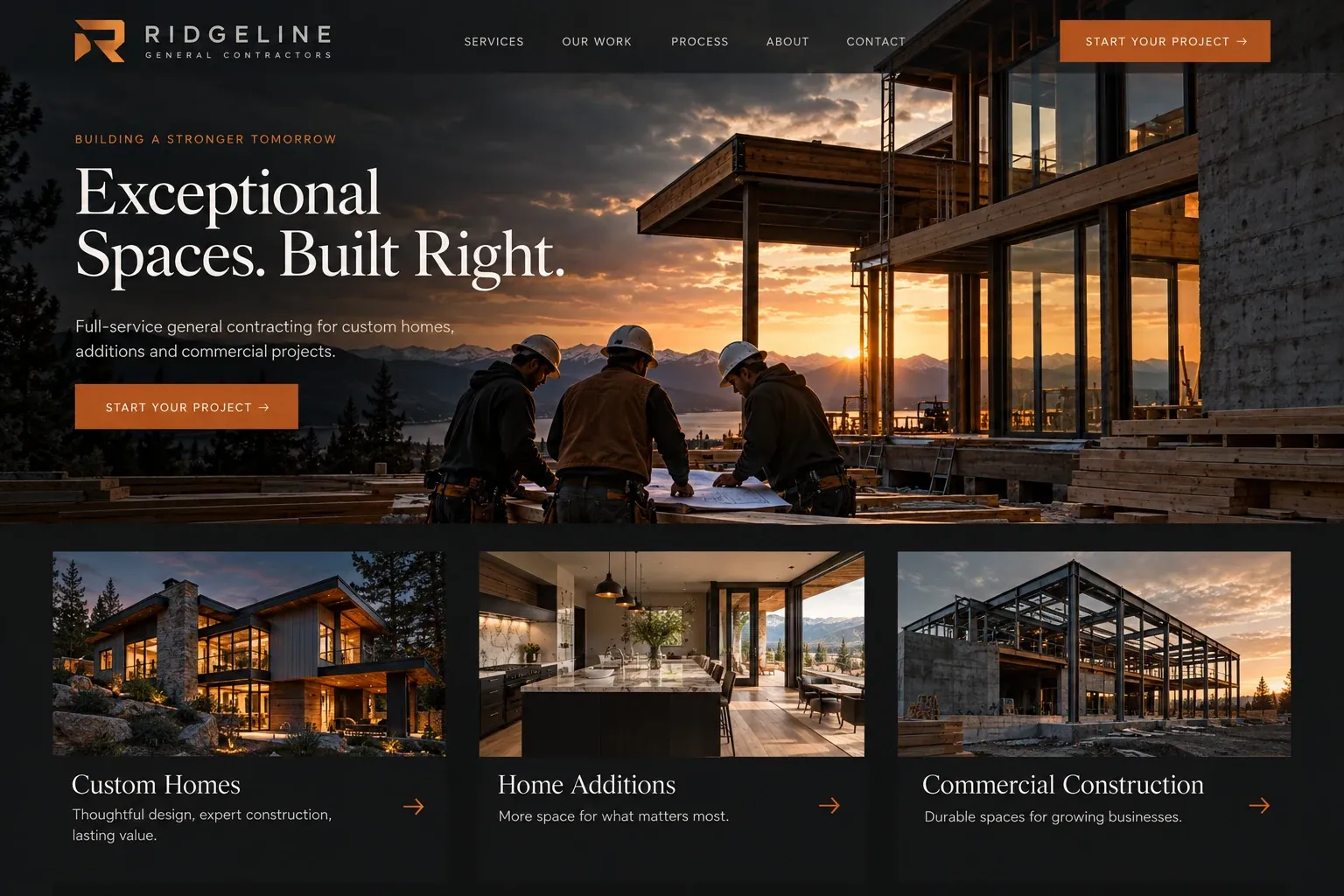
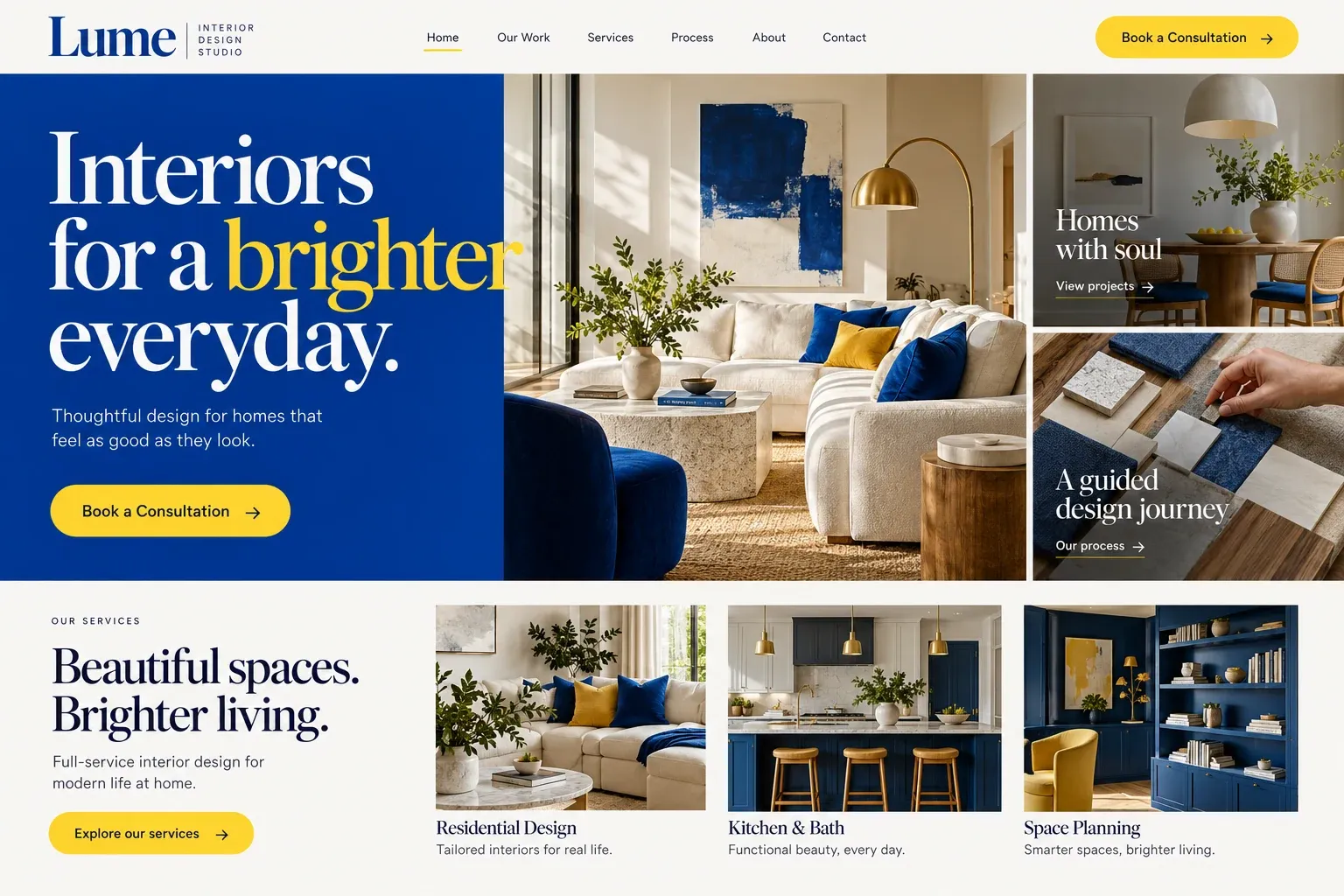
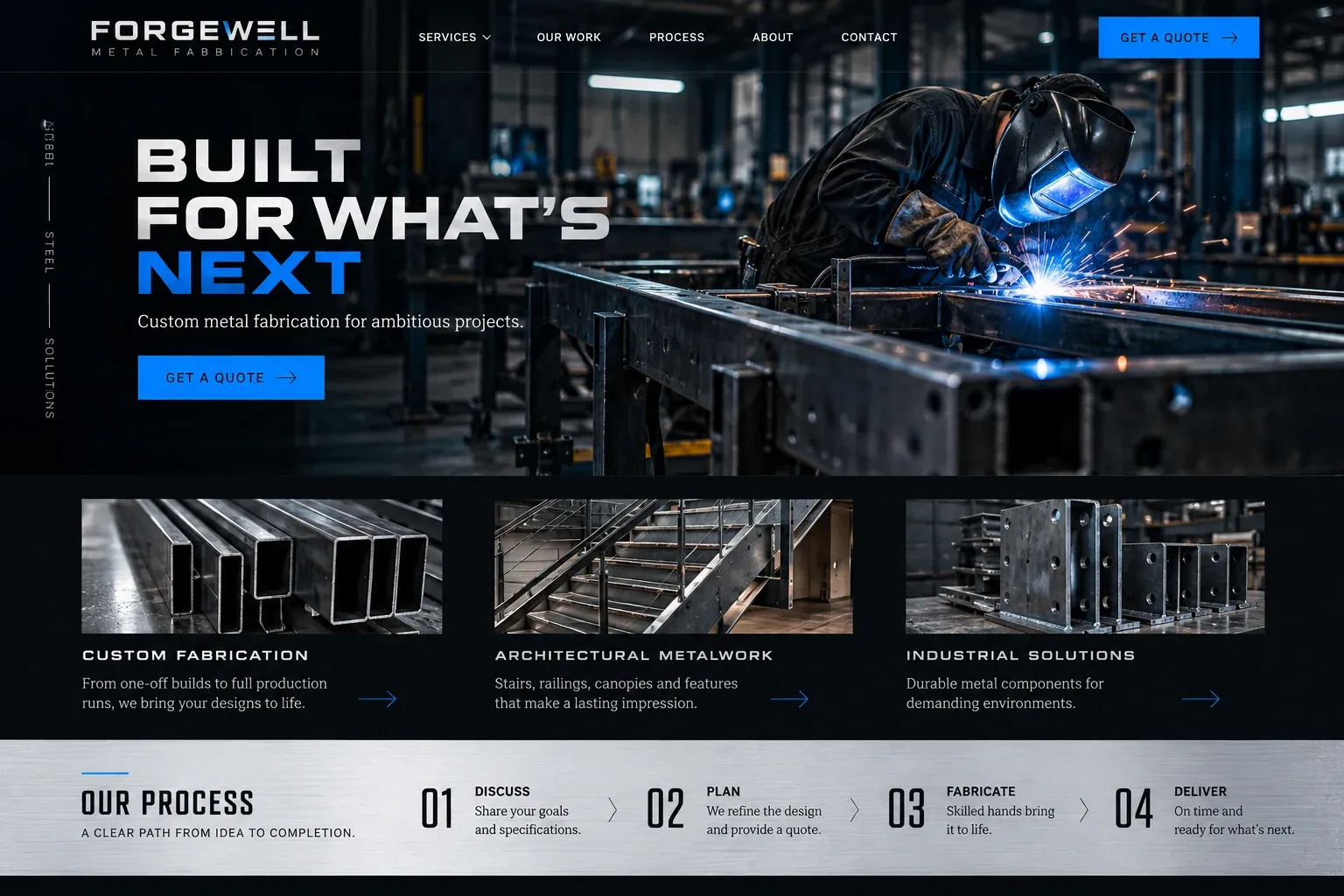
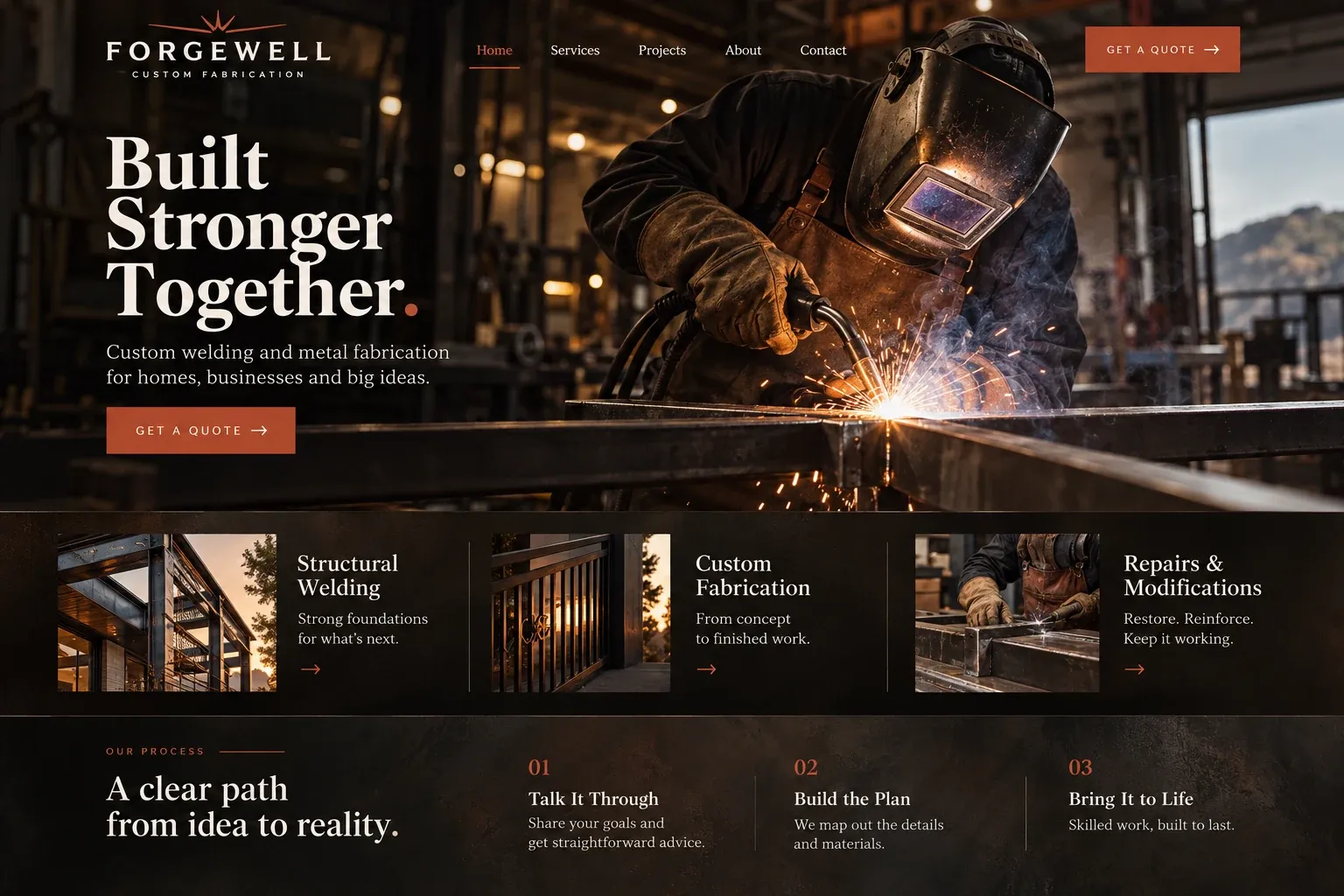
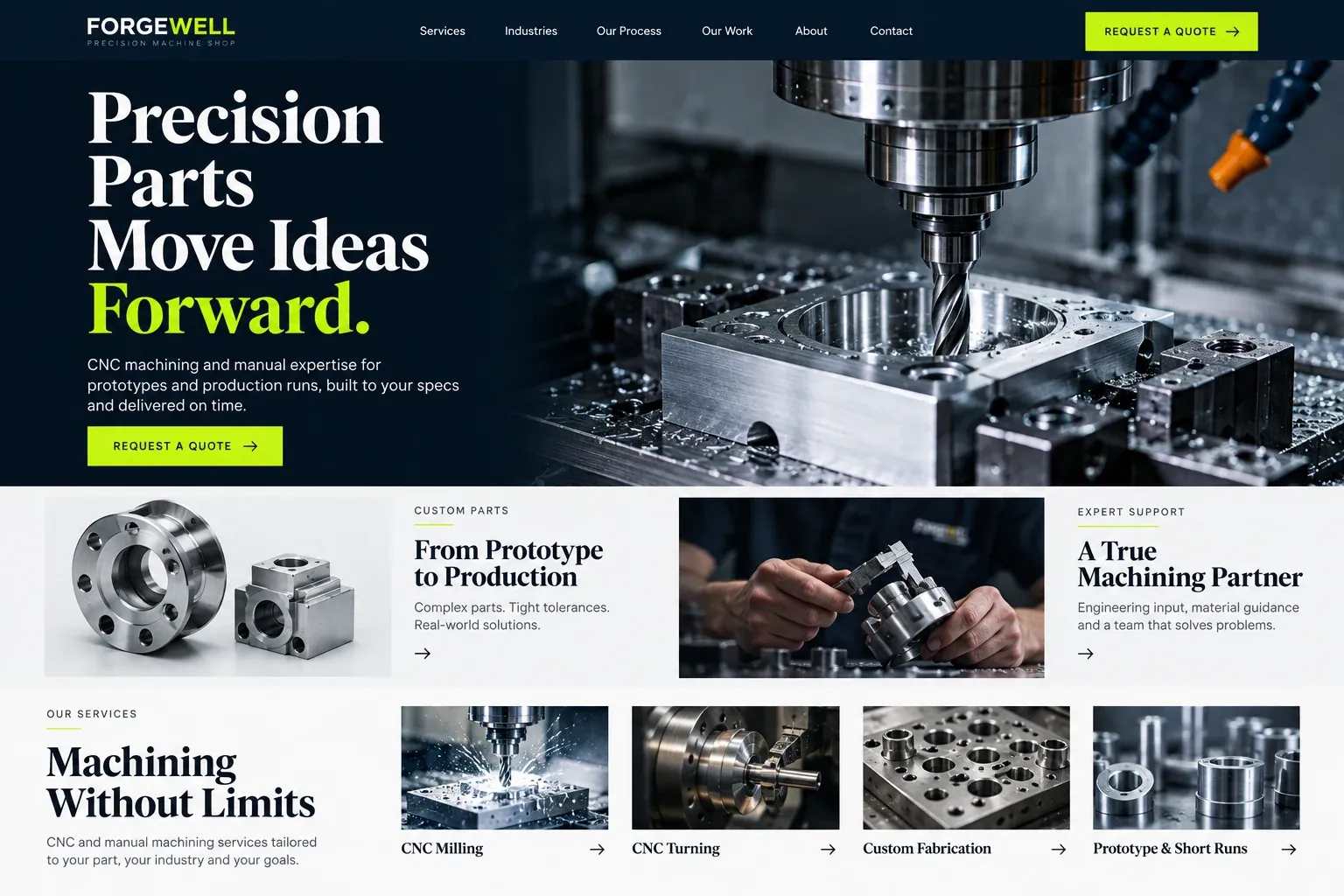
Fictional metal fabrication shops website homepage design concept
A design concept for a fictional brand. Your site is designed from scratch around yours.

Your customer's story

A railing detail that needs the right shop

Priya is a project architect finishing drawings for a small hotel renovation in Coral Gables. The owner wants a blackened steel stair railing with bronze caps, and the general contractor has asked her for two or three fabricators who could price it. She has a PDF of the detail, a reference photo from a trip abroad, and a deadline at the end of the week. She opens her laptop between meetings.

The first shop's website lists every machine on its floor, with model numbers, but shows no finished work. The second shows only industrial ductwork. The third has a section on architectural metal with stairs, railings, and screens photographed in place, a short note on how it handles shop drawings and finishes, and an upload form that accepts PDF and CAD files along with the project timing and location.

She uploads the detail and gets a reply asking about the mounting conditions and whether the finish should be sealed for an exterior stair. That question alone tells her the shop reads drawings carefully. A fabricator's website does not have to list everything it can do. It has to show the right buyer, quickly, that the brief will be understood.

Why it matters

Why metal fabricators need a website.

Fabrication buyers vary more than most trades. An architect wants to see finished architectural pieces and know you produce shop drawings. A contractor wants capacity and reliability. A restaurant owner needs stainless counters and hoods. A manufacturer sends a drawing for brackets in quantity. Each is judging fit before asking for a quote, and a social page full of sparks or a directory listing cannot steer them toward the work that proves you can deliver.

We build fabrication websites with clear paths for each buyer. Capabilities are organized by material and process, from cutting and forming to welding and finishing. Project pages show finished pieces alongside useful production details. A drawing upload form takes PDF, DXF, and STEP files with quantities, material, finish, and timing, so the request that reaches your estimator is one you can actually answer.

What your customers search for

  • metal fabrication near me
  • custom metal fabrication Miami
  • stainless steel fabrication
  • steel stair fabrication
  • laser cutting service
  • architectural metal railings

Your customers

What buyers look for before sending a drawing to a fabricator

  • Do you handle this material and thickness?

    A capability page listing the metals you work and the processes you run, such as laser or plasma cutting, press brake forming, and welding, with limits stated honestly.

  • Have you built something like this?

    Project pages grouped by type, such as railings, stairs, stainless kitchen work, and industrial parts, each with photos and a short note on the job.

  • Can you work from my drawings?

    A clear note on the file types you accept, whether you produce shop drawings for approval, and how revisions are handled before cutting begins.

  • Do you install, or just fabricate?

    A page explaining whether your team installs on site, works with the buyer's contractor, or delivers ready to mount, and which finishes you handle.

What we build

What a website for metal fabricators should include.

  • Material and process capabilities

    Steel, stainless, and aluminum, with cutting, forming, welding, and finishing listed as you actually run them.

  • Project portfolio by type

    Architectural, commercial kitchen, industrial, and custom pieces grouped so each buyer finds the work that matches their brief.

  • Drawing upload form

    Accepts PDF and CAD files with fields for material, quantity, finish, deadline, and whether installation is needed.

  • Production detail shots

    Photos of cuts, bends, welds, and fixtures in the shop, alongside the finished piece, so buyers see how the work is made.

  • Shop drawing process

    A short page on how you prepare drawings for approval, handle revisions, and confirm dimensions before material is cut.

  • Finishing and install notes

    Powder coating, galvanizing, or paint through partners if that is how you work, plus who installs and how delivery is arranged.

Planning guide

How should a metal fabrication shop set up its website?

A metal fabrication website is a filter and a portfolio at once. The right buyers should recognize their kind of project within a minute and know how to send a drawing, and the wrong ones should see politely that you are not their shop. What follows covers the pages to build, the proof to show, how requests should arrive, and how buyers find you.

Divide the site by buyer and capability

Architects, contractors, restaurant owners, and manufacturers search differently: custom metal railings, stainless steel countertops, steel stair fabrication, sheet metal parts. Give each main type of work a page with its own photos. Add a capabilities page organized by material and process, an about page with the shop and team, and a contact page built around the drawing upload. Keep machine lists accurate and short, focused on what they let you make.

Show finished work and how it was made

Finished pieces in place sell the work, but production photos build confidence: a channel bent on the press brake, a fixture holding a frame, a weld ground clean. Pair them on each project page with a short description of the material, the finish, and the problem solved. Show only your own work, and ask before naming a client or a building. Where a project is private, describe the type of space instead.

Build the request around the drawing

A fabrication request form should accept files, ideally PDF, DXF, DWG, and STEP, plus photos or sketches for simpler jobs. Ask for material, thickness if known, quantity, finish, the deadline, the delivery or installation address, and whether site measurements are needed. Requests arrive in your email in a consistent layout, so estimating starts with what you need rather than a chain of questions.

Say plainly how quoting works, what happens after a drawing is received, and when you prefer a call. Buyers on a deadline appreciate knowing whether to expect a reply with questions first. A visible phone number still matters for contractors who want to talk a detail through before they send anything.

Get found by local buyers and specifiers

Fabrication is often sourced locally because of delivery, site visits, and installation. Name the counties and cities you serve, keep your business details consistent with your Google Business Profile, and ask contractors and designers you work with for reviews. Service pages for railings, stairs, stainless work, and parts give search engines clear subjects. Over time, this helps the right buyers find you, though no site can promise placement.
In your market

Metal fabrication in South Florida

Fabrication here answers to the climate. Salt air and humidity push buyers toward stainless, aluminum, and coatings that hold up outdoors, and exterior railings, gates, and structural pieces are shaped by strict local building codes. Construction keeps architects and contractors busy most of the year, restaurants need stainless work, and marine customers want aluminum parts. Many buyers prefer to talk in Spanish. We build pages for these customers and can add a Spanish version of the site.

Questions

Questions metal fabricators ask us.

Can our fabrication site accept CAD files through the quote form?

Yes. The form can accept common formats such as PDF, DXF, DWG, and STEP within reasonable file size limits, and it can link to a file sharing service for larger drawing sets. The request arrives in your email with the material, quantity, finish, and deadline filled in.

How do we show architectural metal work without naming the client?

Describe the project type and setting instead, such as a hotel lobby stair or a residential balcony railing, and show the work itself. Ask clients before naming them or the building. Most buyers care far more about the detail, the finish, and how the piece sits in its space than about the name.

Should a fabricator list its machines on the website?

A short, accurate list helps technical buyers judge capacity, especially cutting size, forming length, and material thickness. Keep it focused on what the machines let you make, not a long inventory. If something changes, such as a new press brake or laser, it is an easy update.

Can the site explain our shop drawing and approval process?

Yes, and architects and contractors appreciate it. A short page explains how you prepare drawings, how reviews and revisions are handled on your side, and when material is ordered. It sets expectations early and gives buyers something to forward to the rest of their project team.

Let's talk

Ready for a website built for metal fabricators?

Tell us about your business and we will come back with a clear recommendation and a fixed quote. No pressure, no jargon.

Trades we design for

See all 226 trades

226 trades

  • Plumbers website design concept
CallFree quote